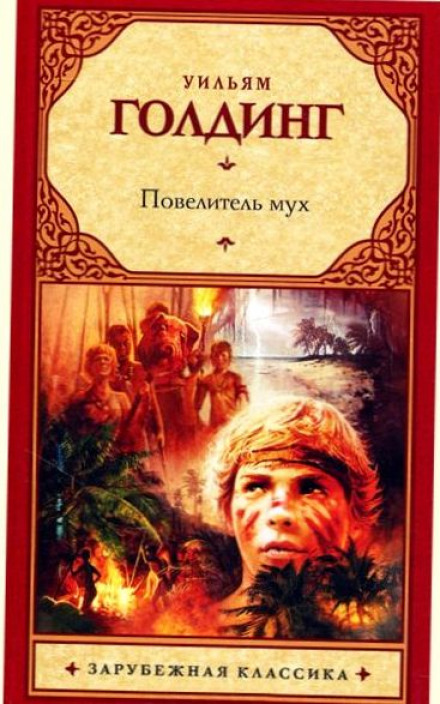
Lord of the Flies
7 hrs. 17 min.
Language
Russian
Author
William Golding
Author
William Golding
Narrator
Sergey Kirsanov
Narrator
Sergey Kirsanov
Description
“Lord of the Flies” is a novel that brought its author the Nobel Prize. On the one hand, it is a rather dark work revealing the hidden, murky sides of the human soul; on the other, the novel strikes with its plausibility.
Children and teenagers are probably the most vulnerable in a situation where civilization steps aside. It is in them that moral foundations and consciousness are not yet developed enough to withstand temptation and avoid sinking into a state of an animal. Acting instinctively is easier—and maybe even more fun. But inside every adult, somewhere deep down, there is the same teenager, which is why the novel’s relevance by W. Golding is undeniable.
In his narrative, the author shows a fairly rapid regression of the human soul. A thriving island frees a group of children from all the responsibilities imposed by civilization. All that remains is the desire to rule, to kill, to not bother, to have fun.
In life there are so many situations when it’s hard to keep a human being within yourself. “Lord of the Flies” is one of the names of the Devil, who is always ready to seize power over the human soul…
Children and teenagers are probably the most vulnerable in a situation where civilization steps aside. It is in them that moral foundations and consciousness are not yet developed enough to withstand temptation and avoid sinking into a state of an animal. Acting instinctively is easier—and maybe even more fun. But inside every adult, somewhere deep down, there is the same teenager, which is why the novel’s relevance by W. Golding is undeniable.
In his narrative, the author shows a fairly rapid regression of the human soul. A thriving island frees a group of children from all the responsibilities imposed by civilization. All that remains is the desire to rule, to kill, to not bother, to have fun.
In life there are so many situations when it’s hard to keep a human being within yourself. “Lord of the Flies” is one of the names of the Devil, who is always ready to seize power over the human soul…
100%
03:34
01_01
04:15
01_02
03:15
01_03
03:37
01_04
03:09
01_05
04:25
01_06
04:33
01_07
03:36
01_08
04:04
01_09
04:30
01_10
04:25
01_11
04:02
01_12
04:02
01_13
02:13
01_14
03:22
02_01
04:14
02_02
03:12
02_03
03:55
02_04
04:06
02_05
03:39
02_06
03:18
02_07
04:23
02_08
03:28
02_09
04:12
03_01
03:53
03_02
03:21
03_03
03:32
03_04
03:16
03_05
03:28
03_06
04:03
04_01
04:50
04_02
03:05
04_03
03:16
04_04
03:55
04_05
04:00
04_06
03:44
04_07
04:13
04_08
04:33
04_09
04:49
04_10
04:36
05_01
03:31
05_02
03:52
05_03
04:15
05_04
04:30
05_05
03:25
05_06
04:42
05_07
04:02
05_08
04:41
05_09
03:17
05_10
03:03
05_11
02:59
06_01
04:57
06_02
02:52
06_03
03:18
06_04
04:17
06_05
02:57
06_06
04:20
06_07
04:53
06_08
03:19
07_01
04:26
07_02
04:36
07_03
04:07
07_04
04:04
07_05
04:07
07_06
04:43
07_07
04:19
07_08
03:29
08_01
03:10
08_02
03:58
08_03
04:43
08_04
03:25
08_05
04:03
08_06
03:38
08_07
03:45
08_08
02:56
08_09
02:56
08_10
03:59
08_11
03:15
08_12
03:44
08_13
03:53
09_01
04:40
09_02
04:07
09_03
03:32
09_04
04:34
09_05
02:55
09_06
04:13
10_01
03:56
10_02
04:15
10_03
02:45
10_04
04:14
10_05
03:05
10_06
04:48
10_07
02:42
10_08
04:10
11_01
03:01
11_02
03:17
11_03
03:10
11_04
03:07
11_05
04:11
11_06
04:14
11_07
03:11
11_08
02:51
11_09
03:53
12_01
03:50
12_02
04:17
12_03
04:25
12_04
04:17
12_05
03:22
12_06
03:55
12_07
04:11
12_08
03:20
12_09
04:13
12_10
03:21
12_11
04:18
12_12
