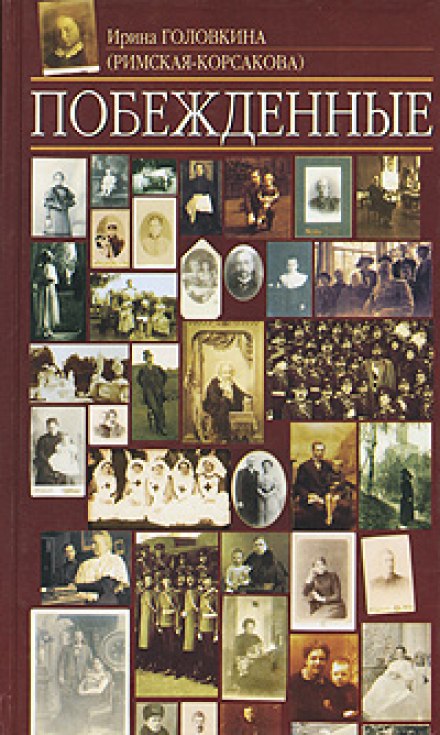
The Vanquished. Book 1
14 hrs. 17 min.
Language
Russian
Author
Irina Golovkina
Author
Irina Golovkina
Narrator
Margarita Ivanova
Narrator
Margarita Ivanova
Description
The novel «The Defeated» by Irina Vladimirovna Golovkina is a novel from the life of the Russian intelligentsia during Stalin’s dictatorship. The author writes: «In this work there isn’t a single invented fact—nothing that I wouldn’t have taken from the surrounding reality of the 1930s and 1940s.» But despite all its documentary nature, the novel is still a work of fiction, not a simple chronicle of real events.
In Russia, the Civil War ended. The country is ruined, many people died—from the war, from hunger, diseases, and disorder; many ended up in emigration. Only people from the so-called «former» remained—those who survived this terrible whirlpool: mostly widows, children, and the elderly. Many of them never reconciled themselves to the new power, yet they had to live and raise children and grandchildren who were not accepted into educational institutions, were dismissed from jobs, and sometimes sent to camps. Hunger, unemployment, humiliations, and anxiety darkened the rest of these people’s lives, but—as icy water tempers hot steel—the catastrophes of the revolution only froze, strengthened in some people the principles of aristocracy, rekindled the fading Orthodox faith, and shook their love for the homeland. A certain internal conscious and unconscious opposition appeared to all the trends of the new era.
The author managed to tell about the tragic pages of the country’s history with astonishing simplicity and clarity, without any vulgarity. Thousands of people were arrested and exiled very far from their home places; many never returned. Faith, character, and upbringing helped those who ended up behind bars or in exile to stand firm—and those destined to die did so with their heads held high, undefeated. And the hearts of those who were still alive remained in that old Russia. Its image, far away—through several decades of nightmare—was associated with childhood and peaceful life, where everything was as it should be for people.
In Russia, the Civil War ended. The country is ruined, many people died—from the war, from hunger, diseases, and disorder; many ended up in emigration. Only people from the so-called «former» remained—those who survived this terrible whirlpool: mostly widows, children, and the elderly. Many of them never reconciled themselves to the new power, yet they had to live and raise children and grandchildren who were not accepted into educational institutions, were dismissed from jobs, and sometimes sent to camps. Hunger, unemployment, humiliations, and anxiety darkened the rest of these people’s lives, but—as icy water tempers hot steel—the catastrophes of the revolution only froze, strengthened in some people the principles of aristocracy, rekindled the fading Orthodox faith, and shook their love for the homeland. A certain internal conscious and unconscious opposition appeared to all the trends of the new era.
The author managed to tell about the tragic pages of the country’s history with astonishing simplicity and clarity, without any vulgarity. Thousands of people were arrested and exiled very far from their home places; many never returned. Faith, character, and upbringing helped those who ended up behind bars or in exile to stand firm—and those destined to die did so with their heads held high, undefeated. And the hearts of those who were still alive remained in that old Russia. Its image, far away—through several decades of nightmare—was associated with childhood and peaceful life, where everything was as it should be for people.
100%
00:33
00-00-golovkina-i-pobezhdennyemp3
04:07
00-01-o-knigemp3
16:12
00-02-o-sudbe-etoy-knige-i-eyo-avtoramp3
17:09
01-01-01-pobezhdennyemp3
16:20
01-01-02-pobezhdennyemp3
23:33
01-01-03-pobezhdennyemp3
24:13
01-02-pobezhdennyemp3
25:05
01-03-pobezhdennyemp3
17:04
01-04-pobezhdennyemp3
33:04
01-05-pobezhdennyemp3
37:40
01-06-pobezhdennyemp3
24:53
01-07-pobezhdennyemp3
38:54
01-08-pobezhdennyemp3
25:04
01-09-pobezhdennyemp3
18:38
01-10-01-pobezhdennyemp3
23:20
01-10-02-pobezhdennyemp3
22:46
01-10-03-pobezhdennyemp3
32:31
01-11-pobezhdennyemp3
22:59
01-12-pobezhdennyemp3
35:56
01-13-pobezhdennyemp3
19:43
01-14-pobezhdennyemp3
18:11
01-15-pobezhdennyemp3
27:17
01-16-pobezhdennyemp3
18:27
01-17-pobezhdennyemp3
22:27
01-18-pobezhdennyemp3
20:45
01-19-pobezhdennyemp3
28:01
01-20-pobezhdennyemp3
16:45
01-21-pobezhdennyemp3
23:36
01-22-01-pobezhdennyemp3
28:13
01-22-02-pobezhdennyemp3
15:21
01-23-pobezhdennyemp3
30:52
01-24-pobezhdennyemp3
23:22
01-25-01-pobezhdennyemp3
19:22
01-25-02-pobezhdennyemp3
26:39
01-26-pobezhdennyemp3
18:28
01-27-pobezhdennyemp3
23:17
01-28-pobezhdennyemp3
16:24
01-29-pobezhdennyemp3
