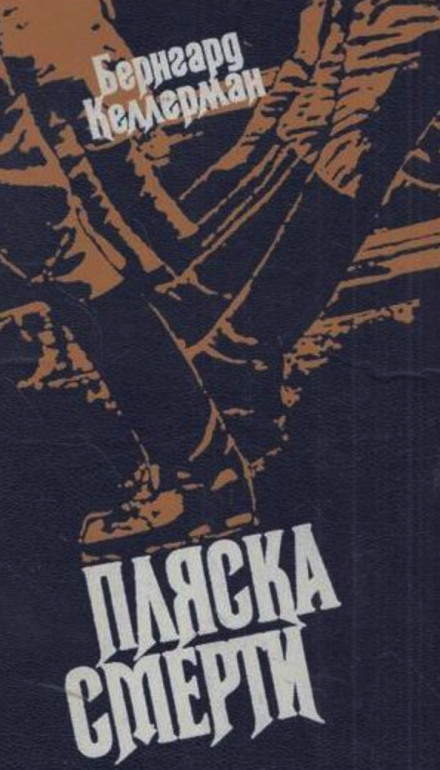
Dance of Death
18 hrs. 24 min.
Language
Russian
Author
Bernhard Kellermann
Author
Bernhard Kellermann
Narrator
Evgeny Ternovsky
Narrator
Evgeny Ternovsky
Description
The novel “The Dance of Death” by the famous German humanist writer Bernhard Kellermann depicts the rise to power of the Nazis and the events of World War II. With great authenticity, the writer recreates the seething atmosphere of the “Third Reich,” showing the brutal suppression of democratic freedoms and the bloody reprisals against everyone who is dissatisfied. “The Dance of Death” entered the golden fund of German and world anti-fascist literature.
After returning from a long illness vacation, Frank Fabian, an attorney and syndicate figure of the city in question, immediately felt a sharp change in the surrounding conditions.
The express train he arrived on was an hour late. Fabian reached home only after midnight. He was pleasantly surprised to find that the maid Martha hadn’t gone to bed yet. Hearing his footsteps on the stairs, she hurried to open the door. He thanked her for having waited for him, and asked her to bring red wine for dinner—smiling, as he explained, he wanted to celebrate his return home.
“Madam Fabian, perhaps you’re already asleep?” he asked as he took off his coat in the entryway. He spoke under his breath so as not to wake his wife—a very nervous lady suffering from insomnia.
“Yes, madam went to bed early today,” Martha replied, and went to get the wine.
Fabian was in an excellent mood. He was happy to be home again and playfully rubbed his hands, enjoying the warmth and comfort: on the way from the station he had ridden in a cab and gotten chilled. Even the special smell that belongs to any human dwelling now pleased him. He’d gotten used to it being absent during his four months away.
At last he could feel it again!
From the entryway, Fabian went into his study and turned on all the lamps. Nothing had changed here: colorful rows of books he was proud of, a few paintings, and familiar knickknacks. At last he was home! Above all, Fabian valued comfort and peace. On the writing desk, letters lay in a stack—he quickly scanned the addresses of the senders on the envelopes.
After returning from a long illness vacation, Frank Fabian, an attorney and syndicate figure of the city in question, immediately felt a sharp change in the surrounding conditions.
The express train he arrived on was an hour late. Fabian reached home only after midnight. He was pleasantly surprised to find that the maid Martha hadn’t gone to bed yet. Hearing his footsteps on the stairs, she hurried to open the door. He thanked her for having waited for him, and asked her to bring red wine for dinner—smiling, as he explained, he wanted to celebrate his return home.
“Madam Fabian, perhaps you’re already asleep?” he asked as he took off his coat in the entryway. He spoke under his breath so as not to wake his wife—a very nervous lady suffering from insomnia.
“Yes, madam went to bed early today,” Martha replied, and went to get the wine.
Fabian was in an excellent mood. He was happy to be home again and playfully rubbed his hands, enjoying the warmth and comfort: on the way from the station he had ridden in a cab and gotten chilled. Even the special smell that belongs to any human dwelling now pleased him. He’d gotten used to it being absent during his four months away.
At last he could feel it again!
From the entryway, Fabian went into his study and turned on all the lamps. Nothing had changed here: colorful rows of books he was proud of, a few paintings, and familiar knickknacks. At last he was home! Above all, Fabian valued comfort and peace. On the writing desk, letters lay in a stack—he quickly scanned the addresses of the senders on the envelopes.
100%
00:41
00_00_Kellerman_B_Plyaska_smerti_Ternovskiy_E
17:19
00_01_Predislovie
17:50
01_01_Plyaska smerti
18:46
01_02_Plyaska smerti
25:30
01_03_Plyaska smerti
21:54
01_04_Plyaska smerti
15:29
01_05_Plyaska smerti
17:15
01_06_Plyaska smerti
18:06
01_07_Plyaska smerti
27:44
01_08_Plyaska smerti
19:49
01_09_Plyaska smerti
16:07
01_10_Plyaska smerti
22:40
01_11_Plyaska smerti
15:46
01_12_Plyaska smerti
26:52
02_01_Plyaska smerti
19:03
02_02_Plyaska smerti
26:30
02_03_Plyaska smerti
20:39
02_04_Plyaska smerti
25:44
02_05_Plyaska smerti
23:54
02_06_Plyaska smerti
18:48
02_07_Plyaska smerti
22:17
02_08_Plyaska smerti
19:52
02_09_Plyaska smerti
22:09
03_01_Plyaska smerti
18:09
03_02_Plyaska smerti
18:09
03_03_Plyaska smerti
19:09
03_04_Plyaska smerti
17:46
03_05_Plyaska smerti
24:53
03_06_Plyaska smerti
26:16
03_07_Plyaska smerti
20:02
03_08_Plyaska smerti
18:11
03_09_Plyaska smerti
26:35
03_10_Plyaska smerti
24:03
04_01_Plyaska smerti
16:03
04_02_Plyaska smerti
16:32
04_03_Plyaska smerti
24:27
04_04_Plyaska smerti
15:19
04_05_Plyaska smerti
15:17
04_06_Plyaska smerti
18:07
04_07_Plyaska smerti
17:42
04_08_Plyaska smerti
20:05
04_09_Plyaska smerti
17:04
05_01_Plyaska smerti
22:12
05_02_Plyaska smerti
23:37
05_03_Plyaska smerti
19:13
05_04_Plyaska smerti
20:39
05_05_Plyaska smerti
25:58
05_06_Plyaska smerti
27:21
05_07_Plyaska smerti
21:57
06_01_Plyaska smerti
25:47
06_02_Plyaska smerti
21:27
06_03_Plyaska smerti
24:05
06_04_Plyaska smerti
18:00
06_05_Plyaska smerti
