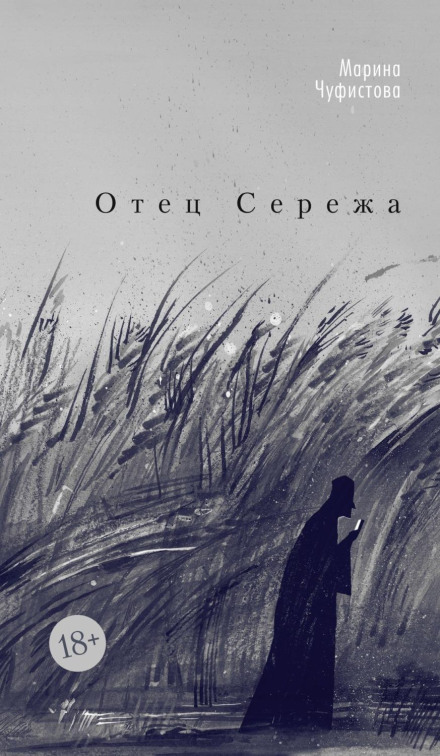
Father Seryozha
9 hrs. 26 min.
Language
Russian
Author
Marina Chufistova
Author
Marina Chufistova
Narrator
Anton Makarov
Narrator
Anton Makarov
Description
Rostov Oblast, the hamlet of Bogdanov, the Upper Don region—endless reeds and a Chekhovian longing lingering in the air. A young priest, Father Sergius, is assigned here—more precisely, he is sent into exile after a clash with church authorities. In his new place, everything seems alien to him, and he himself—superfluous: he drives a light-blue “Tesla,” wears fashionable sneakers, and the locals’ simple joys and troubles scare him. Despite all his outwardly “worldly” signs, Sergey sincerely and deeply believes; once he never doubted his calling, but now he is going through a severe inner crisis. Gradually, he becomes entangled in the lives of the people around him: the businessman Dubrov, who rose on dubious dealings in the 1990s, old atheist women, and a teenager—the son of a drinking mother. Again and again, he will have to choose between what is convenient and what is right, and through these choices he will try to find his way anew.
“Father Serezha” is mature, multi-layered prose that continues the line of Russian realism—above all, Chekhov—and Russian modernism. A piercing, poignant tone in which Marina Chufistova speaks about human actions dissolves into a sad steppe landscape.
“Father Serezha” is mature, multi-layered prose that continues the line of Russian realism—above all, Chekhov—and Russian modernism. A piercing, poignant tone in which Marina Chufistova speaks about human actions dissolves into a sad steppe landscape.
100%
47:39
01
45:24
02
37:08
03
26:59
04
41:43
05
42:07
06
42:06
07
44:56
08
47:26
09
37:27
10
39:16
11
45:05
12
32:57
13
04:05
14
32:34
15
