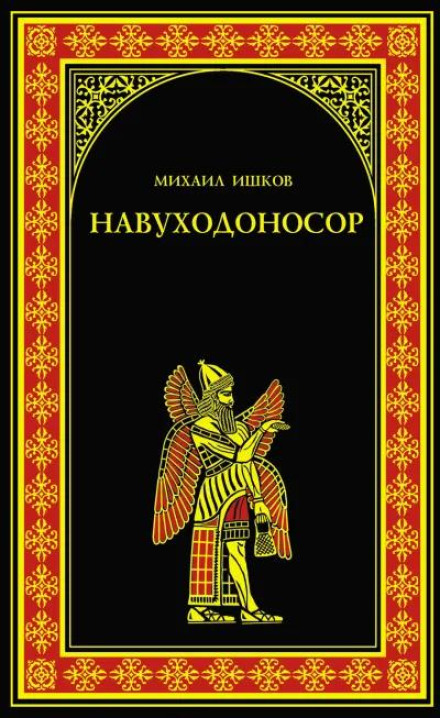
Nebuchadnezzar
20 hrs. 21 min.
Language
Russian
Author
Mikhail Ishkov
Author
Mikhail Ishkov
Narrator
Mikhail Roslyakov
Narrator
Mikhail Roslyakov
Description
Nebuchadnezzar is a name so resonant that it’s familiar to almost everyone by hearsay. There’s something inevitably ominous, threatening, sinister about it—the symbol of despotism, the merciless conqueror… The scourge of God… The man who, first of all, destroyed the holy city of Jerusalem down to the foundations and created the famous “hanging gardens,” one of the Seven Wonders of the world, entered history as a legendary figure. In the pages of the Bible his deeds are presented as if this king were sent by some unseen power watching over the human world, created a miracle-state, and then—when the time came—mysteriously dissolved into the depths of the centuries.
The novel by the well-known contemporary writer Mikhail Ishkov is devoted to Nebuchadnezzar II, the legendary king of Babylon in 605–562 BCE. He reigned for 43 years, yet remains in the history of our civilization for millennia.
The novel by the well-known contemporary writer Mikhail Ishkov is devoted to Nebuchadnezzar II, the legendary king of Babylon in 605–562 BCE. He reigned for 43 years, yet remains in the history of our civilization for millennia.
100%
01:35
0001
07:52
0002
20:33
0003
33:00
0004
26:29
0005
23:57
0006
27:54
0007
29:45
0008
39:40
0009
34:01
0010
18:03
0011
27:03
0012
24:45
0013
25:45
0014
28:56
0015
16:13
0016
37:37
0017
34:32
0018
37:27
0019
33:15
0020
21:33
0021
19:24
0022
19:42
0023
32:39
0024
25:27
0025
26:28
0026
22:08
0027
24:06
0028
16:26
0029
24:13
0030
23:27
0031
23:00
0032
22:58
0033
18:14
0034
28:05
0035
23:12
0036
22:01
0037
31:03
0038
25:45
0039
19:43
0040
18:07
0041
15:25
0042
26:19
0043
29:13
0044
16:15
0045
19:49
0046
24:02
0047
32:49
0048
32:17
0049
09:36
0050
