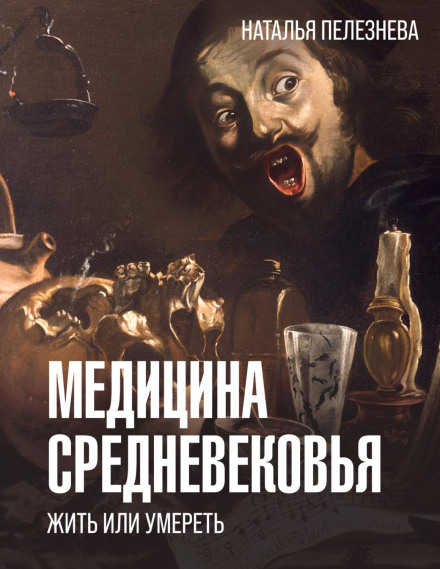
Medieval Medicine: To Live or to Die
7 hrs. 52 min.
Language
Russian
Author
Natalya Palezneva
Author
Natalya Palezneva
Narrator
Agafya Maksimova
Narrator
Agafya Maksimova
Description
Natalya Pelezneva completed the Master’s program at the National Research University Higher School of Economics (“HSE”) in “Medieval Studies.” She is a PhD student at HSE and a staff member of the Research-and-Teaching Laboratory of Medieval Studies at HSE. As a scientific journalist, she has published in “Nauchnoe Obozrenie” (“Knife”), “The Schrödinger’s Cat,” and “PostNauka.” In the book, we follow the development of medical theory from which—over millennia—today’s medicine has grown: rational, evidence-based, with advanced technologies and statistics. To see different stages of this knowledge, you’ll have to visit the Greek sanctuaries of Asclepius and the Arab hospitals-bimaristans; wealthy houses surrounded by gardens and the homes of ordinary city dwellers, whatever faith they followed. – Medieval views on the causes of various diseases – Historical forms of disease prevention – Treatment methods and medieval hospitals – The fight against epidemics – Women in medieval medicine – Mental disorders and attempts to cure them
