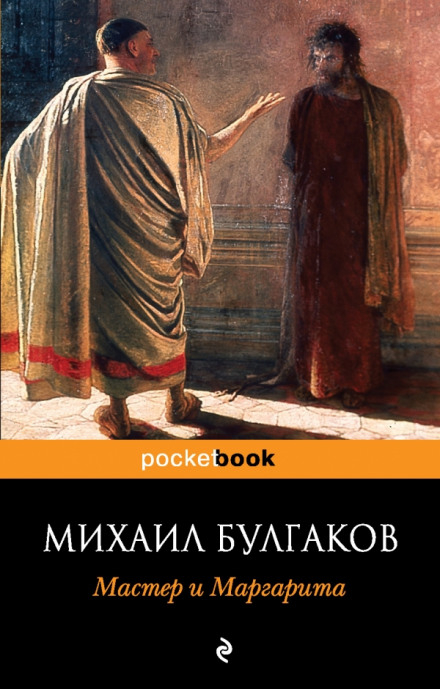
The Master and Margarita
16 hrs. 52 min.
Language
Russian
Author
Mikhail Bulgakov
Author
Mikhail Bulgakov
Narrator
Alexander Klyukvin
Narrator
Maxim Sukhanov
Narrator
Daria Moroz
Description
“The Master and Margarita” still causes arguments. It can be interpreted in many different ways. Two plot lines find their admirers, intertwining into one whole. Some readers are closer to the events in May’s Moscow, others— to distant Jerusalem. Yet for all their difference, the two storylines are connected and complement each other.
Woland, the Master, Margarita, Yeshua… all the characters seem like old acquaintances, even if you’re reading the novel for the first time. The image of Jesus Christ, Satan, a searching creative person, and a beautiful, devoted woman—these are all motifs that have been encountered many times in literary works and played out in the most varied ways. No wonder there is an opinion that Bulgakov’s novel was written about the Russian Faust.
The author’s spiritual views are reflected in the novel. For example, he argues that the root of evil is cowardice. It was because of Pilate’s cowardice that Jesus Christ was crucified. Because of the Master’s cowardice, the novel might never have seen the light of day. Cowardice is not worthy of heaven.
There is also a love line in this work, one that isn’t limited to kisses and walking under the moon. Love, in Bulgakov’s view, is a kinship of souls.
The universality of the novel made it popular. It will be interesting to readers with very different viewpoints and beliefs.
Woland, the Master, Margarita, Yeshua… all the characters seem like old acquaintances, even if you’re reading the novel for the first time. The image of Jesus Christ, Satan, a searching creative person, and a beautiful, devoted woman—these are all motifs that have been encountered many times in literary works and played out in the most varied ways. No wonder there is an opinion that Bulgakov’s novel was written about the Russian Faust.
The author’s spiritual views are reflected in the novel. For example, he argues that the root of evil is cowardice. It was because of Pilate’s cowardice that Jesus Christ was crucified. Because of the Master’s cowardice, the novel might never have seen the light of day. Cowardice is not worthy of heaven.
There is also a love line in this work, one that isn’t limited to kisses and walking under the moon. Love, in Bulgakov’s view, is a kinship of souls.
The universality of the novel made it popular. It will be interesting to readers with very different viewpoints and beliefs.
100%
1
05:00
00002.mp3
05:15
00003.mp3
05:03
00004.mp3
05:41
00005.mp3
05:41
00006.mp3
04:52
00007.mp3
05:11
00008.mp3
04:30
00009.mp3
05:06
00010.mp3
05:19
00011.mp3
05:07
00012.mp3
04:56
00013.mp3
05:06
00014.mp3
04:27
00015.mp3
04:51
00016.mp3
05:07
00017.mp3
05:27
00018.mp3
04:46
00019.mp3
04:15
00020.mp3
05:03
00021.mp3
03:31
00022.mp3
03:36
00023.mp3
05:38
00024.mp3
04:55
00025.mp3
03:43
00026.mp3
04:08
00027.mp3
04:56
00028.mp3
05:13
00029.mp3
04:37
00030.mp3
05:32
00031.mp3
04:12
00032.mp3
03:42
00033.mp3
03:49
00034.mp3
04:23
00035.mp3
05:15
00036.mp3
04:49
00037.mp3
04:33
00038.mp3
05:27
00039.mp3
05:26
00040.mp3
05:29
00041.mp3
05:03
00042.mp3
03:37
00043.mp3
02:52
00044.mp3
04:59
00045.mp3
03:31
00046.mp3
05:11
00047.mp3
04:58
00048.mp3
03:40
00049.mp3
05:12
00050.mp3
05:08
00051.mp3
04:51
00052.mp3
03:35
00053.mp3
04:05
00054.mp3
04:47
00055.mp3
05:08
00056.mp3
05:09
00057.mp3
05:36
00058.mp3
03:32
00059.mp3
03:01
00060.mp3
04:14
00061.mp3
04:47
00062.mp3
04:54
00063.mp3
05:18
00064.mp3
05:23
00065.mp3
04:59
00066.mp3
05:07
00067.mp3
05:35
00068.mp3
05:21
00069.mp3
04:18
00070.mp3
05:04
00071.mp3
04:57
00072.mp3
05:13
00073.mp3
04:35
00074.mp3
04:52
00075.mp3
05:31
00076.mp3
05:34
00077.mp3
04:35
00078.mp3
03:23
00079.mp3
05:08
00080.mp3
04:10
00081.mp3
05:20
00082.mp3
04:34
00083.mp3
03:48
00084.mp3
05:05
00085.mp3
04:51
00086.mp3
05:08
00087.mp3
04:54
00088.mp3
05:11
00089.mp3
05:07
00090.mp3
05:05
00091.mp3
05:13
00092.mp3
04:54
00093.mp3
04:56
00094.mp3
05:18
00095.mp3
04:34
00096.mp3
04:56
00097.mp3
04:37
00098.mp3
05:08
00099.mp3
05:15
00100.mp3
04:55
00101.mp3
05:14
00102.mp3
04:38
00103.mp3
05:06
00104.mp3
04:51
00105.mp3
05:02
00106.mp3
05:03
00107.mp3
05:01
00108.mp3
04:58
00109.mp3
05:19
00110.mp3
04:50
00111.mp3
05:00
00112.mp3
04:34
00113.mp3
1
05:09
00001
05:20
00002
05:11
00003
05:15
00004
04:55
00005
03:43
00006
03:52
00007
05:23
00008
05:12
00009
02:59
00010
04:52
00011
05:06
00012
04:35
00013
05:08
00014
04:57
00015
03:57
00016
06:56
00017
05:07
00018
05:08
00019
05:31
00020
05:31
00021
05:03
00022
04:17
00023
03:42
00024
05:00
00025
04:43
00026
05:25
00027
05:10
00028
05:04
00029
05:02
00030
03:54
00031
03:50
00032
05:23
00033
05:30
00034
05:00
00035
05:26
00036
05:04
00037
05:10
00038
05:30
00039
05:01
00040
04:48
00041
05:27
00042
06:46
00043
04:54
00044
05:24
00045
05:09
00046
05:21
00047
06:11
00048
05:02
00049
05:21
00050
05:03
00051
05:05
00052
05:07
00053
05:03
00054
04:51
00055
04:01
00056
04:57
00057
04:11
00058
05:02
00059
04:59
00060
05:20
00061
05:31
00062
05:03
00063
05:30
00064
05:11
00065
04:53
00066
03:53
00067
05:13
00068
04:58
00069
05:09
00070
05:01
00071
05:29
00072
06:19
00073
06:03
00074
06:18
00075
05:14
00076
05:19
00077
04:59
00078
04:45
00079
04:52
00080
04:15
00081
05:11
00082
02:41
00083
05:07
00084
04:33
00085
05:41
00086
04:16
00087
04:51
00088
05:39
00089
05:03
00090
04:38
00091
05:39
00092
04:15
00093
05:44
00094
