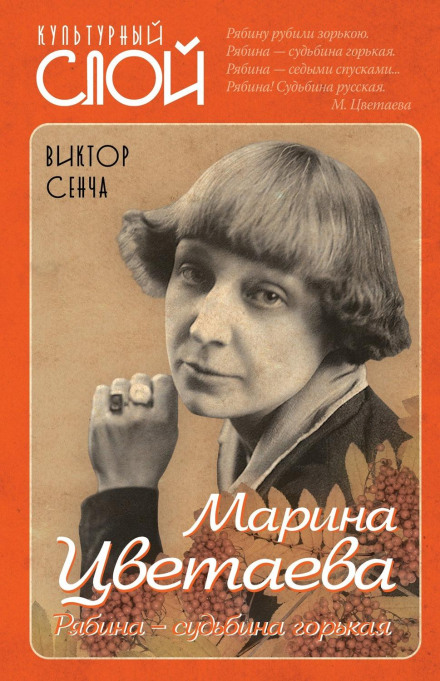
Marina Tsvetaeva: Rowan – A Bitter Fate
11 hrs. 42 min.
Language
Russian
Author
Viktor Sencha
Author
Viktor Sencha
Narrator
Zoya Banketova
Narrator
Zoya Banketova
Description
About Marina Tsvetaeva, much has been said and written; yet no matter how much is written, it always turns out to be too little. And it’s because unique creativity of the poetess is approached with reverence by some and with openly genuine interest by others—though there are also outright skeptics. But everyone agrees on one thing: Tsvetaeva’s lines leave no one indifferent.
The new book by writer and publicist Viktor Sencha, “Marina Tsvetaeva. Rowan is a cruel fate,” is not so much about her work as about the tragic fate of the poetess. If you go west for a long time, you will surely come to the east: the words of Confucius fit the life path of Marina Tsvetaeva’s and Sergey Efron’s family better than anything. Moving in one direction, they returned to the starting point, which became their Golgotha. The book also investigates in detail the mystery of the death at the front of the poetess’s son, G. Efron. Sencha’s essay “How Georgy Efron Died,” published in a shortened version in the literary journal “Novy Mir” (2018, No. 4), was awarded with the Laureate Diploma of the journal’s annual prize for 2018. Viktor Sencha’s book about Tsvetaeva differs from previous biographical publications by its depth of research and ease of presentation. The reader will learn many things for the first time.
The new book by writer and publicist Viktor Sencha, “Marina Tsvetaeva. Rowan is a cruel fate,” is not so much about her work as about the tragic fate of the poetess. If you go west for a long time, you will surely come to the east: the words of Confucius fit the life path of Marina Tsvetaeva’s and Sergey Efron’s family better than anything. Moving in one direction, they returned to the starting point, which became their Golgotha. The book also investigates in detail the mystery of the death at the front of the poetess’s son, G. Efron. Sencha’s essay “How Georgy Efron Died,” published in a shortened version in the literary journal “Novy Mir” (2018, No. 4), was awarded with the Laureate Diploma of the journal’s annual prize for 2018. Viktor Sencha’s book about Tsvetaeva differs from previous biographical publications by its depth of research and ease of presentation. The reader will learn many things for the first time.
