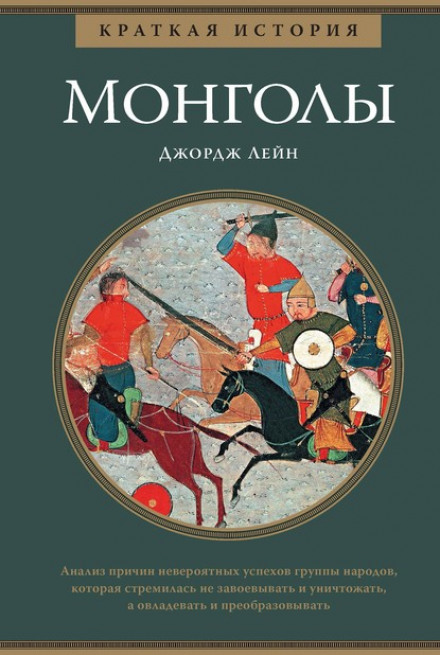
A Short History: Mongols
11 hrs. 20 min.
Language
Russian
Author
George Lane
Author
George Lane
Narrator
Mikhail Roslyakov
Narrator
Mikhail Roslyakov
Description
At the height of its power, the Mongol Empire—formed in the 13th century as a result of the conquests of Genghis Khan and his successors—included the largest unified state territory ever, stretching from Eastern Europe to the Sea of Japan and from Russian Novgorod to Southeast Asia. A brief history of the Mongol Empire covers the period beginning with the birth of Temujin (the future Genghis Khan) between 1155 and 1162, who later founded a unified Mongol state, up to the last quarter of the 14th century, marked by the fall of the Mongol Empire and the defeat of the Mongol Yuan dynasty in China. The early 16th century is also touched upon, when Ismail I, founder of the Safavid dynasty, captured Tabriz, bringing an end to the existence of the Turkmen state of Ak Koyunlu. In this book, the Mongol Empire is shown as a complex, civilized, and resilient state that exerted a long-lasting and multifaceted influence on surrounding lands. The narrative weaves together different historical, political, and cultural threads to present a coherent picture of how and why Genghis Khan and his successors achieved such incredible success.
100%
24:26
01
51:57
02
45:22
03
12:28
04
47:52
05
36:44
06
44:24
07
39:14
08
37:29
09
53:16
10
51:05
11
46:30
12
22:18
13
42:44
14
36:53
15
20:34
16
17:53
17
19:33
18
29:30
19
