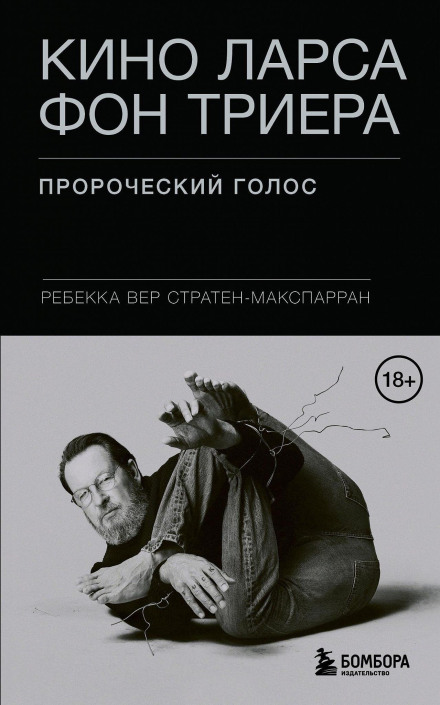
The Cinema of Lars von Trier: A Prophetic Voice
14 hrs. 41 min.
Description
“Cinema must be uncomfortable—like a pebble in your shoe.” — Lars von Trier
Lars von Trier is a director whose name evokes associations with the dark depths of human nature. He is known for his provocative and bold work, creating films that feel more like a visual catharsis than entertainment. Without fearing pain and ugliness, his creativity becomes prophetic.
From the strict minimalism of “The Idiots” to the powerful emotional intensity of “Dancer in the Dark,” from the philosophical darkness of “Melancholia” to the open provocation of “Nymphomaniac,” Trier has created a unique cinematic universe where beauty and suffering merge, and truth is born in torment.
The book “Cinema of Lars von Trier: The Prophetic Voice” is not just an analysis of his films—it’s a journey into the complex inner world of one of the most significant directors of our time. It explores aesthetics and the nature of evil, revealing deep meanings hidden behind his shocking images.
This book will be your guide to the world of Lars von Trier if you:
• are simultaneously repelled and fascinated by his films and want to understand the nature of this attraction;
• are looking for a deep analysis of the director’s cinematic language and style;
• are interested in the philosophy of cinema and how it reflects and predicts socio-cultural changes;
• value intellectual cinema that goes beyond simple entertainment;
• want to unravel the riddle of a genius balancing on the edge of madness.
Inside the book you will find:
• a detailed breakdown of the key themes in Trier’s films: from existential despair to social and political revelations;
• an exploration of the director’s visual style: from the hand-held camera of Dogme 95 to refined cinematography in his later works;
• an analysis of the contradictions and scandals surrounding his work, and how they influence how people perceive his films;
• an in-depth study of the symbolism and metaphors that permeate his films.
“Cinema of Lars von Trier: The Prophetic Voice” is not an easy read. It’s an intellectual challenge and an invitation to a serious discussion of cinema as art—an art capable of shaping our perception of reality and looking into the future.
Lars von Trier is a director whose name evokes associations with the dark depths of human nature. He is known for his provocative and bold work, creating films that feel more like a visual catharsis than entertainment. Without fearing pain and ugliness, his creativity becomes prophetic.
From the strict minimalism of “The Idiots” to the powerful emotional intensity of “Dancer in the Dark,” from the philosophical darkness of “Melancholia” to the open provocation of “Nymphomaniac,” Trier has created a unique cinematic universe where beauty and suffering merge, and truth is born in torment.
The book “Cinema of Lars von Trier: The Prophetic Voice” is not just an analysis of his films—it’s a journey into the complex inner world of one of the most significant directors of our time. It explores aesthetics and the nature of evil, revealing deep meanings hidden behind his shocking images.
This book will be your guide to the world of Lars von Trier if you:
• are simultaneously repelled and fascinated by his films and want to understand the nature of this attraction;
• are looking for a deep analysis of the director’s cinematic language and style;
• are interested in the philosophy of cinema and how it reflects and predicts socio-cultural changes;
• value intellectual cinema that goes beyond simple entertainment;
• want to unravel the riddle of a genius balancing on the edge of madness.
Inside the book you will find:
• a detailed breakdown of the key themes in Trier’s films: from existential despair to social and political revelations;
• an exploration of the director’s visual style: from the hand-held camera of Dogme 95 to refined cinematography in his later works;
• an analysis of the contradictions and scandals surrounding his work, and how they influence how people perceive his films;
• an in-depth study of the symbolism and metaphors that permeate his films.
“Cinema of Lars von Trier: The Prophetic Voice” is not an easy read. It’s an intellectual challenge and an invitation to a serious discussion of cinema as art—an art capable of shaping our perception of reality and looking into the future.
100%
03:13
Кино Ларса фон Триера. Пророческий голос 01
32:19
Кино Ларса фон Триера. Пророческий голос 02
12:37
Кино Ларса фон Триера. Пророческий голос 03
15:50
Кино Ларса фон Триера. Пророческий голос 04
23:45
Кино Ларса фон Триера. Пророческий голос 05
04:41
Кино Ларса фон Триера. Пророческий голос 06
07:27
Кино Ларса фон Триера. Пророческий голос 07
06:52
Кино Ларса фон Триера. Пророческий голос 08
32:53
Кино Ларса фон Триера. Пророческий голос 09
41:21
Кино Ларса фон Триера. Пророческий голос 10
21:05
Кино Ларса фон Триера. Пророческий голос 11
07:25
Кино Ларса фон Триера. Пророческий голос 12
01:50
Кино Ларса фон Триера. Пророческий голос 13
17:37
Кино Ларса фон Триера. Пророческий голос 14
1:02:48
Кино Ларса фон Триера. Пророческий голос 15
05:16
Кино Ларса фон Триера. Пророческий голос 16
09:50
Кино Ларса фон Триера. Пророческий голос 17
36:57
Кино Ларса фон Триера. Пророческий голос 18
58:14
Кино Ларса фон Триера. Пророческий голос 19
1:21:50
Кино Ларса фон Триера. Пророческий голос 20
07:59
Кино Ларса фон Триера. Пророческий голос 21
08:12
Кино Ларса фон Триера. Пророческий голос 22
06:13
Кино Ларса фон Триера. Пророческий голос 23
05:05
Кино Ларса фон Триера. Пророческий голос 24
14:32
Кино Ларса фон Триера. Пророческий голос 25
13:21
Кино Ларса фон Триера. Пророческий голос 26
1:18:08
Кино Ларса фон Триера. Пророческий голос 27
51:30
Кино Ларса фон Триера. Пророческий голос 28
04:44
Кино Ларса фон Триера. Пророческий голос 29
26:13
Кино Ларса фон Триера. Пророческий голос 30
14:29
Кино Ларса фон Триера. Пророческий голос 31
05:25
Кино Ларса фон Триера. Пророческий голос 32
06:06
Кино Ларса фон Триера. Пророческий голос 33
11:58
Кино Ларса фон Триера. Пророческий голос 34
07:35
Кино Ларса фон Триера. Пророческий голос 35
04:37
Кино Ларса фон Триера. Пророческий голос 36
51:35
Кино Ларса фон Триера. Пророческий голос 37
1:01:06
Кино Ларса фон Триера. Пророческий голос 38
18:38
Кино Ларса фон Триера. Пророческий голос 39
