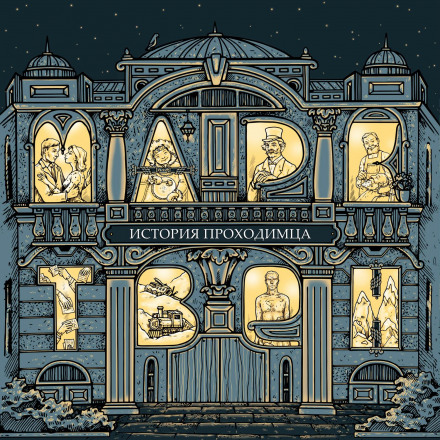
The Adventures of a Rogue
5 hrs. 46 min.
Description
It is believed that Russian literature came out of Gogol’s “The Overcoat,” while real American literature began with Mark Twain’s stories. Samuel Langhorne Clemens (the writer’s real name) didn’t get into literature right away. He quit school early, worked as a pilot on a steamboat, mined silver in the Nevada mines, and played for money at poker and billiards. One day fate brought Sam to a newspaper, where—besides witty reports—they began publishing his stories and feuilletons written under a pseudonym. Looking for interesting topics, Mark Twain traveled all over the world and even swam to Crimea, where he visited the Summer Palace of the Russian emperor. After the release of the novels about Tom Sawyer and Huckleberry Finn, he reached incredible popularity and started touring the states with topical lectures. Tickets for these lectures were sold for a dollar, but people were ready to pay two, three, and even ten dollars, because in essence the writer was like the first stand-up comedian, mercilessly mocking everyone and everything without being shy of strong expressions. His books were translated into dozens of languages; quotes and aphorisms reached the most distant corners of the planet. Many stories were banned by censorship because they offended political views or religious feelings, and his “Autobiography” was the classic’s last will that it should not be printed until at least 100 years after his death.
This collection includes ten stories by the classic, many of which are unknown to the general public.
This collection includes ten stories by the classic, many of which are unknown to the general public.
100%
45:45
История проходимца - 0 - Мой злейший враг
16:29
История проходимца - 1 - История проходимца
41:29
История проходимца - 2 - Роман эскимосской девушки
21:31
История проходимца - 3 - Людоеды на железнодорожном поезде
1:10:14
История проходимца - 4 - Любопытное приключение
08:00
История проходимца - 5 - Окаменелый человек
14:39
История проходимца - 6 - Кое-что о парикмахерах
20:31
История проходимца - 7 - История с привидениями
1:00:29
История проходимца - 8 - Банковый билет в миллион фунтов стерлингов
47:12
История проходимца - 9 - Роман Алонзо Фитц-Кларенса и Розанны Этельтон
