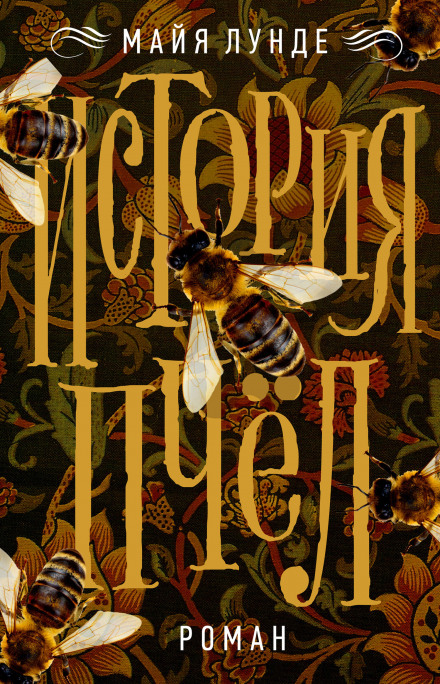
The History of Bees
12 hrs. 49 min.
Language
Russian
Author
Maja Lunde
Author
Maja Lunde
Narrator
Alexey Bagdasarov
Narrator
Dmitry Kreminsky
Narrator
Yulia Yablonskaya
Description
“The History of Bees” by the Norwegian writer Maja Lunde is the brand-new worldwide literary bestseller. An anti-utopia crossed with a family saga and a philosophical novel.
Before us are three countries, three eras: 1852, England; 2007, America; and 2098, China. The past, the present, and the future in this novel are united by theme and by characters who are all members of the same family. And it connects the amateur naturalist William Savage from England, the hereditary beekeeper George Savage from America, and the Chinese woman Tao of the bees. Yes—just ordinary bees. One invents an amazing beehive structure, the other—at the moment of a crisis in beekeeping—doesn’t give up and doesn’t abandon his beloved craft, and Tao, the Chinese girl, makes peace with the personal sacrifice she is forced to make so that people have hope of regaining the lost world. And each character has their own family, their own problems, and their own feelings.
“The History of Bees” is a novel about irreversible changes that a person brings into the surrounding world. But an equally important theme is the relationship between parents and children, the connection between people on the micro-level. What drives a person in their desire to change the world?
Maja Lunde’s novel has received numerous literary awards. “The History of Bees” is the first book in an ambitious “Climate Quartet” project—a tetralogy about the place of man in the universe and the fragility of the balance of our civilization. In Germany the book became an unqualified bestseller #1, ahead of all novels by German authors, and ahead of such commercial heavyweight—like the new novel by Dan Brown.
Before us are three countries, three eras: 1852, England; 2007, America; and 2098, China. The past, the present, and the future in this novel are united by theme and by characters who are all members of the same family. And it connects the amateur naturalist William Savage from England, the hereditary beekeeper George Savage from America, and the Chinese woman Tao of the bees. Yes—just ordinary bees. One invents an amazing beehive structure, the other—at the moment of a crisis in beekeeping—doesn’t give up and doesn’t abandon his beloved craft, and Tao, the Chinese girl, makes peace with the personal sacrifice she is forced to make so that people have hope of regaining the lost world. And each character has their own family, their own problems, and their own feelings.
“The History of Bees” is a novel about irreversible changes that a person brings into the surrounding world. But an equally important theme is the relationship between parents and children, the connection between people on the micro-level. What drives a person in their desire to change the world?
Maja Lunde’s novel has received numerous literary awards. “The History of Bees” is the first book in an ambitious “Climate Quartet” project—a tetralogy about the place of man in the universe and the fragility of the balance of our civilization. In Germany the book became an unqualified bestseller #1, ahead of all novels by German authors, and ahead of such commercial heavyweight—like the new novel by Dan Brown.
100%
16:59
01
12:41
02
13:46
03
18:30
04
23:32
05
26:03
06
06:05
07
13:27
08
09:38
09
07:05
10
07:36
11
19:51
12
17:47
13
10:48
14
13:23
15
33:56
16
09:59
17
04:37
18
17:26
19
09:57
20
07:53
21
06:43
22
15:12
23
12:19
24
09:59
25
07:43
26
07:19
27
09:58
28
10:10
29
07:59
30
07:35
31
13:23
32
09:03
33
06:52
34
18:51
35
06:35
36
21:41
37
09:25
38
12:24
39
09:40
40
11:03
41
19:31
42
11:16
43
05:00
44
18:58
45
08:53
46
12:39
47
11:06
48
18:22
49
13:25
50
11:01
51
09:11
52
07:26
53
07:48
54
11:51
55
11:46
56
16:08
57
04:41
58
08:48
59
17:07
60
11:11
61
07:12
62
02:09
63
09:31
64
