Human Croquet
14 hrs. 19 min.
Language
Russian
Author
Kate Atkinson
Author
Kate Atkinson
Narrator
Svetlana Shakleina
Narrator
Svetlana Shakleina
Description
Kate Atkinson burst onto the highest tier of contemporary fiction with her first novel: her debut, “The Notable and the Unspecified,” was recognized with the prestigious Whitbread Prize, beating Salman Rushdie’s “The Last Sigh of the Moor.” And the series of books about the private detective Jackson Brodie—already won the love of both readers in Russia (“Crimes of the Past,” “Turn for the Better,” “Do You Wait for Good News?,” “Just Before Dawn, With a Dog for Company,” “Big Sky”)—Stephen King called “the defining detective project of the decade.”
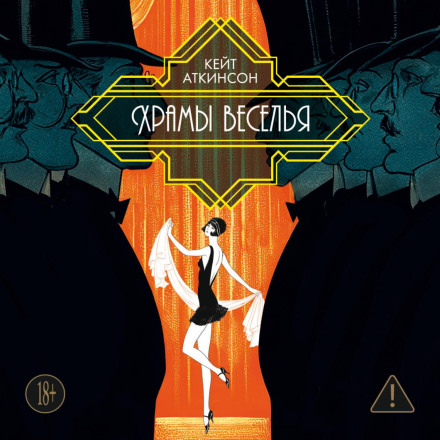
“‘Houses of Mirth’ is the British answer to ‘The Great Gatsby,’” critics noted, “a novel steeped in literary echoes of the classics—from Shakespeare to T. S. Eliot.” It is 1926. The country has not yet fully recovered from the carnage of the Great War, but London is already living to the rhythms of the “Jazz Age.” In the nightclubs of Soho, aristocrats rub shoulders with gangsters, while important foreign visitors whirl on the dance floor with starlets—for a shilling a dance. The most fashionable venues—“Amethyst,” “The Fairy,” “The Fox’s Den,” “Sphinx,” and “Crystal Cup”—are run by Nellie Cocker and her wayward children. But for every success there is a downside: enemies multiply, and Mrs. Cocker has to fend off threats—both from outside and from within. Now an unknown adversary is aiming at her entire empire at once, and, in addition, the unblinking searchlight of the police’s interest is drawing ever closer: an investigation into a series of mysterious disappearances of young girls stubbornly leads—right to her clubs. Is it just coincidence?..
“‘Houses of Mirth’ is the ideal novel for our anxious times, when we so need comfort—especially one that is characteristically English, nostalgic” (The Times).
“‘Houses of Mirth’ is the British answer to ‘The Great Gatsby,’” critics noted, “a novel steeped in literary echoes of the classics—from Shakespeare to T. S. Eliot.” It is 1926. The country has not yet fully recovered from the carnage of the Great War, but London is already living to the rhythms of the “Jazz Age.” In the nightclubs of Soho, aristocrats rub shoulders with gangsters, while important foreign visitors whirl on the dance floor with starlets—for a shilling a dance. The most fashionable venues—“Amethyst,” “The Fairy,” “The Fox’s Den,” “Sphinx,” and “Crystal Cup”—are run by Nellie Cocker and her wayward children. But for every success there is a downside: enemies multiply, and Mrs. Cocker has to fend off threats—both from outside and from within. Now an unknown adversary is aiming at her entire empire at once, and, in addition, the unblinking searchlight of the police’s interest is drawing ever closer: an investigation into a series of mysterious disappearances of young girls stubbornly leads—right to her clubs. Is it just coincidence?..
“‘Houses of Mirth’ is the ideal novel for our anxious times, when we so need comfort—especially one that is characteristically English, nostalgic” (The Times).
100%
12:49
01
35:22
02
10:58
03
24:29
04
12:02
05
02:30
06
22:17
07
09:48
08
18:49
09
05:50
10
26:37
11
22:13
12
10:24
13
09:27
14
01:58
15
08:41
16
09:53
17
08:01
18
23:21
19
12:54
20
10:48
21
18:42
22
06:32
23
28:08
24
04:35
25
07:03
26
23:26
27
05:38
28
26:15
29
21:56
30
07:37
31
09:52
32
03:13
33
18:54
34
12:08
35
04:13
36
03:28
37
04:34
38
06:37
39
21:02
40
13:48
41
07:27
42
10:41
43
14:36
44
16:11
45
14:56
46
15:20
47
14:33
48
05:22
49
18:50
50
18:55
51
21:55
52
10:24
53
05:15
54
03:50
55
20:37
56
23:56
57
15:36
58
08:48
59
16:18
60
04:35
61
19:01
62
05:31
63
01:45
64
07:14
65
02:59
66
05:18
67
02:34
68
