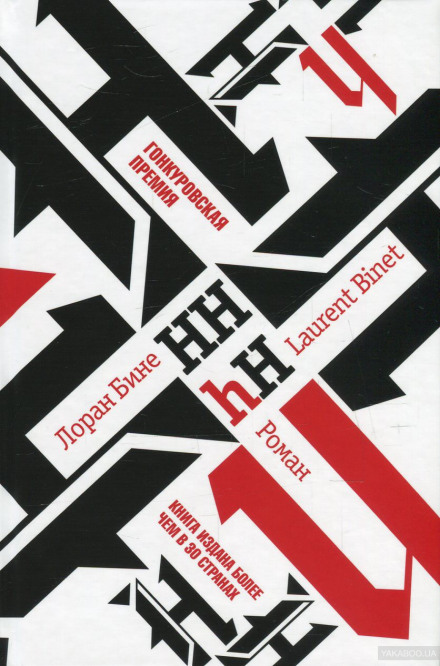
HHhH
16 hrs. 26 min.
Language
Russian
Author
Laurent Binet
Author
Laurent Binet
Narrator
Sergey Dadyko
Narrator
Sergey Dadyko
Description
HHhH is a German phrase from the times of the Third Reich: Himmlers Hirn heisst Heydrich (the brain of Himmler is called Heydrich). Reinhard Heydrich was the most terrifying man in Hitler’s office—a monster from the lair of monsters. “The brain of Himmler is called Heydrich,” the SS men joked. This man possessed incredible power and even greater ruthlessness. Rumors about him spread—each one more dreadful than the last. And all of them turned out to be true.
Heydrich was one of the ideologues of the Holocaust. He devised the plan for a false attack by the Poles on German residents, which became the pretext for the outbreak of World War II. He also ruled Czechoslovakia after its occupation.
Heydrich was mortally wounded on May 27, 1942 by two desperate Czechs—Josef Gabcik and Jan Kubis—who became national heroes of the Czech Republic. The attempt on Heydrich shocked the leadership of the Reich deeply. On the day of Heydrich’s death, the Nazis began a campaign of mass terror against the Czech people. It was announced that anyone who knew the whereabouts of the assassins of the Protector and failed to turn them in would be shot along with their entire family. 1331 Czechs were executed. After Heydrich’s funeral, the village of Lidice was destroyed—all its men were killed, and all its women were sent to a concentration camp.
Laurent Binet’s novel, which received the Goncourt Prize for a debut novel, tells this story—one of the most heroic and desperate in World War II. The book became an international bestseller and has been translated into more than twenty languages.
According to French critics, the nearly documentary text by Laurent Binet makes it a real novel not because it interweaves truth with fiction, nor because of a fictional portrayal of historical figures, but because of “the author’s passionate attitude toward history as a constant source of reflection and self-knowledge.”
In 2017, the novel was adapted into a film.
Heydrich was one of the ideologues of the Holocaust. He devised the plan for a false attack by the Poles on German residents, which became the pretext for the outbreak of World War II. He also ruled Czechoslovakia after its occupation.
Heydrich was mortally wounded on May 27, 1942 by two desperate Czechs—Josef Gabcik and Jan Kubis—who became national heroes of the Czech Republic. The attempt on Heydrich shocked the leadership of the Reich deeply. On the day of Heydrich’s death, the Nazis began a campaign of mass terror against the Czech people. It was announced that anyone who knew the whereabouts of the assassins of the Protector and failed to turn them in would be shot along with their entire family. 1331 Czechs were executed. After Heydrich’s funeral, the village of Lidice was destroyed—all its men were killed, and all its women were sent to a concentration camp.
Laurent Binet’s novel, which received the Goncourt Prize for a debut novel, tells this story—one of the most heroic and desperate in World War II. The book became an international bestseller and has been translated into more than twenty languages.
According to French critics, the nearly documentary text by Laurent Binet makes it a real novel not because it interweaves truth with fiction, nor because of a fictional portrayal of historical figures, but because of “the author’s passionate attitude toward history as a constant source of reflection and self-knowledge.”
In 2017, the novel was adapted into a film.
100%
02:21
0001
03:26
0002
02:20
0003
02:17
0004
01:42
0005
02:48
0006
03:44
0007
08:22
0008
06:36
0009
04:27
0010
05:09
0011
07:02
0012
01:07
0013
02:27
0014
01:52
0015
02:08
0016
02:40
0018
01:47
0019
03:53
0021
01:11
0022
01:47
0023
02:08
0024
03:08
0025
10:15
0026
06:28
0027
06:11
0029
02:46
0030
01:16
0031
01:47
0032
02:30
0033
05:22
0034
01:18
0036
02:15
0037
03:30
0038
04:54
0039
04:21
0040
04:56
0041
02:50
0042
01:08
0043
04:46
0044
16:54
0045
01:37
0046
00:43
0047
08:10
0048
08:23
0049
02:41
0050
06:16
0051
02:56
0052
01:33
0053
01:18
0054
05:35
0055
07:13
0056
02:24
0057
01:18
0058
03:53
0059
03:32
0060
04:29
0061
05:52
0062
01:14
0063
00:53
0064
03:55
0065
00:51
0066
00:29
0068
01:04
0069
01:48
0070
01:31
0071
00:39
0072
00:40
0073
01:22
0074
01:10
0075
10:47
0076
03:59
0077
05:25
0078
00:48
0079
11:21
0080
04:54
0081
01:25
0082
04:43
0084
03:54
0085
04:46
0086
01:05
0087
06:04
0088
02:55
0089
11:27
0090
02:31
0091
03:33
0092
04:53
0093
04:03
0094
04:43
0095
02:43
0096
01:31
0097
06:38
0098
06:30
0099
04:33
0100
03:33
0101
03:24
0102
04:12
0103
10:18
0104
04:00
0105
05:00
0106
06:54
0107
05:11
0108
10:40
0109
04:26
0111
05:51
0112
07:07
0113
09:10
0114
01:04
0115
02:15
0116
02:48
0117
01:39
0118
03:17
0119
07:36
0120
01:33
0122
00:47
0123
06:57
0124
05:45
0125
03:12
0126
00:47
0127
03:51
0128
00:58
0129
04:36
0130
01:00
0131
05:02
0132
02:37
0133
04:33
0134
02:10
0135
00:51
0136
05:52
0137
03:31
0138
02:03
0139
01:47
0140
08:33
0141
05:16
0142
03:59
0143
01:21
0144
01:01
0145
02:11
0146
04:50
0147
03:19
0149
00:46
0150
02:43
0151
01:46
0152
06:59
0153
04:36
0154
02:39
0155
06:33
0156
07:35
0158
04:28
0159
05:57
0160
11:48
0161
04:29
0162
01:14
0164
00:55
0166
04:25
0167
02:07
0168
05:41
0169
02:08
0170
01:54
0171
02:43
0172
01:53
0173
02:21
0175
03:40
0176
03:04
0177
02:57
0178
01:46
0179
09:19
0180
01:32
0181
04:29
0182
05:21
0183
04:22
0184
05:07
0185
02:23
0186
06:47
0187
03:34
0188
01:55
0189
01:15
0190
01:29
0191
00:50
0192
06:58
0194
04:08
0195
02:13
0196
02:20
0197
01:18
0198
01:52
0199
02:30
0200
01:20
0201
05:14
0202
10:26
0203
03:42
0204
01:51
0205
07:30
0207
02:45
0208
00:55
0209
05:48
0210
00:46
0211
01:20
0213
04:02
0214
04:38
0216
04:37
0217
03:50
0218
04:17
0219
04:19
0221
01:30
0222
56:14
0223
01:24
0224
01:18
0225
06:57
0226
02:57
0227
02:44
0228
01:05
0229
00:49
0230
01:39
0231
05:21
0233
02:45
0234
00:54
0235
04:33
0236
01:00
0237
02:40
0238
01:40
0239
04:19
0240
12:56
0241
02:09
0242
02:33
0243
02:43
0244
03:54
0245
07:14
0246
01:26
0247
01:23
0248
02:17
0249
00:57
0250
46:59
0251
14:09
0252
01:05
0253
01:44
0254
00:56
0255
03:31
0257
03:17
0258
