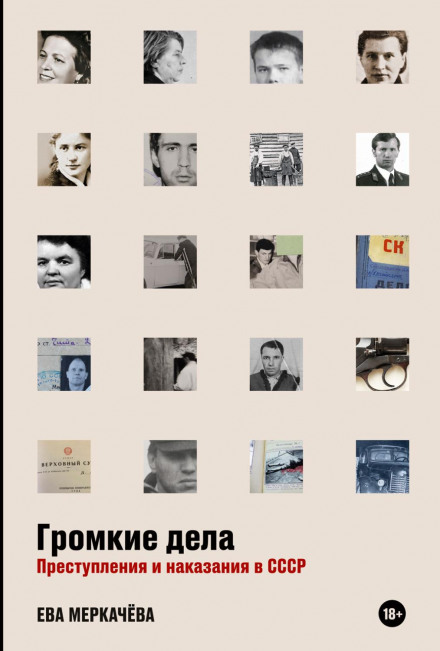
High-Profile Cases: Crimes and Punishments in the USSR
5 hrs. 24 min.
Language
Russian
Author
Eva Merkachyova
Author
Eva Merkachyova
Narrator
Maria Ermakova
Narrator
Maria Ermakova
Description
About the loudest criminal cases of the Soviet era. Many materials had never been published before and were for the first time issued from the archives personally to the author. Thanks to access to these documents and conversations with eyewitnesses, Eve Merkachyova was able to reconstruct the picture of the trials of the last person executed in the USSR—a maniac, Fischer; the only child shot during Soviet times—Arkady Neyland; the executioner Antonina Makarova, nicknamed Tonka-machine-gunner; and Berta Borodkina, who laid tables for Leonid Brezhnev himself—the only person sentenced to the supreme penalty under an economic article. Bridging into the past is not only interesting and educational, but also useful for understanding the processes that are taking place in judicial practice today. “Loud Cases” concludes with the only case from before the Soviet era: Sonka Zolotaya Ruchka, the “queen of the criminal world,” with which the author’s interest in judicial investigations began. The law on foreign agents, arrests for reposts, and lone pickets—some compare all of this to how the authorities once fought anti-Soviets. For them, the Criminal Code of the RSFSR had a special article—actually, even two: Article 70, “Anti-Soviet agitation and propaganda,” and Article 190, “Dissemination of knowingly false fabrications that discredit the Soviet state and social order.” Those found guilty were punished with imprisonment for up to seven years and up to three years, respectively. And in the 60s–80s you could even be sent to camps for… collections of Vladimir Vysotsky’s poems. At the time, officials blamed foreign radio and books published abroad for the corruption of Soviet citizens. But it wasn’t always just about spreading banned literature: some anti-Soviets staged hunger strikes and even tried to blow up a family… How they were “re-educated” in Soviet years—and what became of the survivors of anti-Soviet activities today—you’ll find the answers in this audio book.
