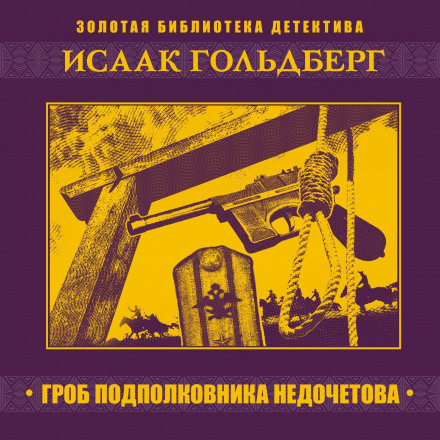
The Coffin of Lieutenant Colonel Nedochetov
2 hrs. 20 min.
Language
Russian
Author
Isaac Goldberg
Author
Isaac Goldberg
Narrator
Alexander Kotov
Narrator
Alexander Kotov
Description
The height of the civil war.
Along the frosty Siberian roads, from village to village, a motley military detachment moved. It included both old career officers and mounted units, as well as mobilized infantrymen. Everywhere among the soldiers one could come across frostbitten—complaining civilians. All of them were united by one goal: to push forward!
To the east! This idea sustained the necessary discipline in the detachment and dictated the required actions on the march: lookouts were set out, patrols were equipped. By the hut where the headquarters was located, messengers stood watch, freezing in their saddles. Guards were posted not only over military supplies. On sturdy sleighs lay well-stacked green crates—five neat, firmly knocked together, locked, sealed, and stamped crates. An enhanced guard was assigned to these sleighs. And what was called so carefully guarded was the archive, the detachment’s documents…
The adjutant of the headquarters often inspected the locks and seals on these crates. During the march, someone from the senior ranks often rode up to them. And the guards were ordered strict—strictly—not to allow anyone near them, either on the road or during stops…
Along the frosty Siberian roads, from village to village, a motley military detachment moved. It included both old career officers and mounted units, as well as mobilized infantrymen. Everywhere among the soldiers one could come across frostbitten—complaining civilians. All of them were united by one goal: to push forward!
To the east! This idea sustained the necessary discipline in the detachment and dictated the required actions on the march: lookouts were set out, patrols were equipped. By the hut where the headquarters was located, messengers stood watch, freezing in their saddles. Guards were posted not only over military supplies. On sturdy sleighs lay well-stacked green crates—five neat, firmly knocked together, locked, sealed, and stamped crates. An enhanced guard was assigned to these sleighs. And what was called so carefully guarded was the archive, the detachment’s documents…
The adjutant of the headquarters often inspected the locks and seals on these crates. During the march, someone from the senior ranks often rode up to them. And the guards were ordered strict—strictly—not to allow anyone near them, either on the road or during stops…
