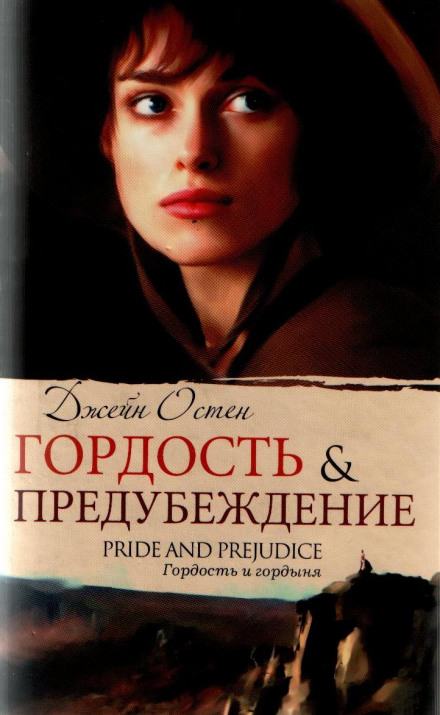
Pride and Prejudice
15 hrs. 55 min.
Language
Russian
Author
Jane Austen
Author
Jane Austen
Narrator
Vyacheslav Gerasimov
Narrator
Vyacheslav Gerasimov
Description
Jane Austen’s novel “Pride and Prejudice”—also translated as “Pride and Prejudice”—is considered by many admirers of the writer’s work to be her favorite. And it is also her most famous work.
It is known that Jane Austen began writing this novel at the age of 21. When she tried to get it published, her optimism collided with the publishers’ pessimism. The manuscript of “Pride and Prejudice” was rejected, and for more than fifteen years it lay with the writer, waiting for its time. The success of the 1811 work “Sense and Sensibility” encouraged publishers to approach the author’s creations with much more interest. Having retrieved the preserved manuscript of “Pride and Prejudice,” Jane Austen carefully edited it and submitted it for publication. That is how readers first encountered a work that is considered the pinnacle of the author’s creativity.
The plot of “Pride and Prejudice” transports readers to England of the late 18th century. In the modest Bennet family there are five daughters, so the theme of marriage is especially acute. When a well-off young gentleman named Mr. Bingley arrives in the province together with the same bachelor and well-provided friend, Mr. Darcy, the family’s measured life is turned upside down. Bingley meets the eldest Bennet daughter, Jane, and mutual sympathy arises between them. In turn, Mr. Darcy begins to communicate with Elizabeth Bennet, the second eldest. To the girl, he seems arrogant and self-satisfied, and the relationship that develops between them resembles a serious confrontation. Miss Elizabeth and Mr. Darcy will have to overcome pride and prejudice in order to understand their own feelings.
It is worth noting that “Pride and Prejudice” is one of Jane Austen’s most frequently adapted novels. Four of its classic film adaptations are known: three are English and one is American.
It is known that Jane Austen began writing this novel at the age of 21. When she tried to get it published, her optimism collided with the publishers’ pessimism. The manuscript of “Pride and Prejudice” was rejected, and for more than fifteen years it lay with the writer, waiting for its time. The success of the 1811 work “Sense and Sensibility” encouraged publishers to approach the author’s creations with much more interest. Having retrieved the preserved manuscript of “Pride and Prejudice,” Jane Austen carefully edited it and submitted it for publication. That is how readers first encountered a work that is considered the pinnacle of the author’s creativity.
The plot of “Pride and Prejudice” transports readers to England of the late 18th century. In the modest Bennet family there are five daughters, so the theme of marriage is especially acute. When a well-off young gentleman named Mr. Bingley arrives in the province together with the same bachelor and well-provided friend, Mr. Darcy, the family’s measured life is turned upside down. Bingley meets the eldest Bennet daughter, Jane, and mutual sympathy arises between them. In turn, Mr. Darcy begins to communicate with Elizabeth Bennet, the second eldest. To the girl, he seems arrogant and self-satisfied, and the relationship that develops between them resembles a serious confrontation. Miss Elizabeth and Mr. Darcy will have to overcome pride and prejudice in order to understand their own feelings.
It is worth noting that “Pride and Prejudice” is one of Jane Austen’s most frequently adapted novels. Four of its classic film adaptations are known: three are English and one is American.
100%
04:21
Gordost_001
04:04
Gordost_002
04:04
Gordost_003
04:05
Gordost_004
04:06
Gordost_005
04:09
Gordost_006
04:30
Gordost_007
04:03
Gordost_008
04:08
Gordost_009
04:06
Gordost_010
04:06
Gordost_011
04:05
Gordost_012
04:04
Gordost_013
04:33
Gordost_014
04:02
Gordost_015
04:23
Gordost_016
04:01
Gordost_017
04:06
Gordost_018
04:08
Gordost_019
04:08
Gordost_020
04:01
Gordost_021
04:06
Gordost_022
04:38
Gordost_023
05:16
Gordost_024
04:02
Gordost_025
04:26
Gordost_026
04:03
Gordost_027
04:10
Gordost_028
04:15
Gordost_029
04:17
Gordost_030
04:04
Gordost_031
04:15
Gordost_032
04:09
Gordost_033
04:07
Gordost_034
04:08
Gordost_035
04:01
Gordost_036
04:03
Gordost_037
04:04
Gordost_038
04:11
Gordost_039
04:03
Gordost_040
04:07
Gordost_041
04:07
Gordost_042
04:11
Gordost_043
04:01
Gordost_044
04:02
Gordost_045
04:05
Gordost_046
04:09
Gordost_047
04:01
Gordost_048
04:03
Gordost_049
04:05
Gordost_050
04:10
Gordost_051
04:14
Gordost_052
04:01
Gordost_053
04:17
Gordost_054
04:12
Gordost_055
04:07
Gordost_056
04:04
Gordost_057
04:08
Gordost_058
04:09
Gordost_059
04:08
Gordost_060
04:06
Gordost_061
04:20
Gordost_062
04:02
Gordost_063
04:16
Gordost_064
04:04
Gordost_065
04:57
Gordost_066
04:11
Gordost_067
04:07
Gordost_068
04:34
Gordost_069
04:06
Gordost_070
04:16
Gordost_071
04:04
Gordost_072
04:13
Gordost_073
04:00
Gordost_074
04:09
Gordost_075
04:05
Gordost_076
04:02
Gordost_077
04:20
Gordost_078
04:11
Gordost_079
04:23
Gordost_080
04:04
Gordost_081
04:02
Gordost_082
04:11
Gordost_083
04:02
Gordost_084
04:06
Gordost_085
04:04
Gordost_086
04:02
Gordost_087
04:20
Gordost_088
04:05
Gordost_089
04:28
Gordost_090
04:03
Gordost_091
04:09
Gordost_092
04:12
Gordost_093
04:01
Gordost_094
04:04
Gordost_095
04:32
Gordost_096
04:11
Gordost_097
04:18
Gordost_098
04:06
Gordost_099
05:16
Gordost_100
04:06
Gordost_101
04:01
Gordost_102
04:09
Gordost_103
04:53
Gordost_104
04:09
Gordost_105
04:14
Gordost_106
04:12
Gordost_107
04:06
Gordost_108
04:01
Gordost_109
04:06
Gordost_110
04:02
Gordost_111
04:06
Gordost_112
04:01
Gordost_113
04:04
Gordost_114
04:07
Gordost_115
04:05
Gordost_116
04:10
Gordost_117
04:11
Gordost_118
04:05
Gordost_119
04:06
Gordost_120
04:02
Gordost_121
04:04
Gordost_122
04:12
Gordost_123
04:04
Gordost_124
04:20
Gordost_125
04:22
Gordost_126
04:03
Gordost_127
04:03
Gordost_128
04:16
Gordost_129
04:21
Gordost_130
04:08
Gordost_131
04:21
Gordost_132
04:06
Gordost_133
04:05
Gordost_134
04:09
Gordost_135
04:01
Gordost_136
04:01
Gordost_137
04:03
Gordost_138
04:04
Gordost_139
04:01
Gordost_140
04:23
Gordost_141
04:12
Gordost_142
04:11
Gordost_143
04:23
Gordost_144
04:02
Gordost_145
04:14
Gordost_146
04:03
Gordost_147
04:01
Gordost_148
04:05
Gordost_149
04:01
Gordost_150
04:10
Gordost_151
04:04
Gordost_152
04:06
Gordost_153
04:05
Gordost_154
04:04
Gordost_155
04:07
Gordost_156
04:01
Gordost_157
04:06
Gordost_158
04:09
Gordost_159
04:07
Gordost_160
04:04
Gordost_161
04:05
Gordost_162
04:12
Gordost_163
04:08
Gordost_164
04:08
Gordost_165
04:06
Gordost_166
04:04
Gordost_167
04:21
Gordost_168
04:52
Gordost_169
04:03
Gordost_170
04:01
Gordost_171
04:15
Gordost_172
04:09
Gordost_173
04:03
Gordost_174
04:02
Gordost_175
04:01
Gordost_176
04:03
Gordost_177
04:12
Gordost_178
04:20
Gordost_179
04:11
Gordost_180
04:04
Gordost_181
04:11
Gordost_182
04:10
Gordost_183
04:02
Gordost_184
04:01
Gordost_185
04:05
Gordost_186
04:08
Gordost_187
04:03
Gordost_188
04:00
Gordost_189
04:03
Gordost_190
04:08
Gordost_191
04:16
Gordost_192
04:04
Gordost_193
04:17
Gordost_194
04:03
Gordost_195
04:06
Gordost_196
04:13
Gordost_197
04:02
Gordost_198
04:12
Gordost_199
04:00
Gordost_200
04:29
Gordost_201
04:07
Gordost_202
04:11
Gordost_203
04:20
Gordost_204
04:08
Gordost_205
04:03
Gordost_206
04:06
Gordost_207
04:03
Gordost_208
04:06
Gordost_209
04:06
Gordost_210
04:01
Gordost_211
04:02
Gordost_212
04:03
Gordost_213
04:30
Gordost_214
04:18
Gordost_215
04:27
Gordost_216
04:26
Gordost_217
04:33
Gordost_218
04:01
Gordost_219
04:13
Gordost_220
04:11
Gordost_221
04:07
Gordost_222
04:18
Gordost_223
04:12
Gordost_224
04:17
Gordost_225
04:29
Gordost_226
04:04
Gordost_227
04:10
Gordost_228
03:30
Gordost_229
