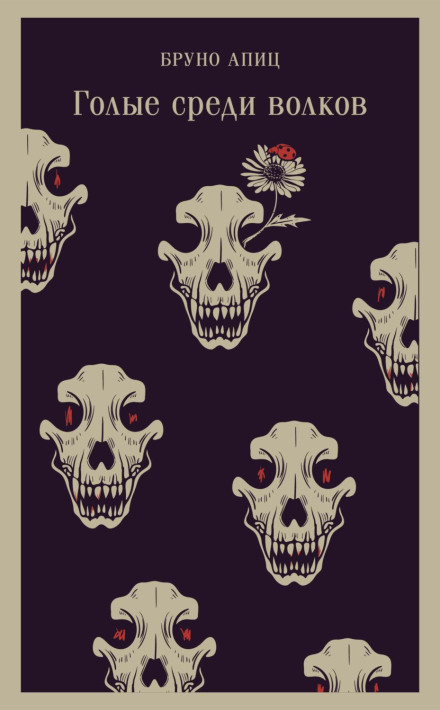
Naked Among Wolves
14 hrs. 23 min.
Language
Russian
Author
Bruno Apitz
Author
Bruno Apitz
Narrator
Marat Voloshin
Narrator
Marat Voloshin
Description
In Nazi Germany, Bruno Apitz was accused of treason against the state for attempting to revive the Communist Party’s activities in Leipzig. After spending three years in prison, he was transferred to Buchenwald, one of the most horrible concentration camps. The SS couldn’t break his will: Apitz not only survived in inhuman conditions, but also became an active member of the camp resistance. His novel “Bare Among the Wolves” is in many ways autobiographical.
In the last months of Buchenwald’s existence, a new prisoner arrives with a suitcase—inside is a small boy hidden away, a symbol of hope. One of the resistance members helps hide the child. Although the outcome of the war is already clear, when SS officers learn about the boy, they begin an investigation. They use torture, manipulation, and threats in order to expose the underground organization that is hiding the boy. Despite the horror, the prisoners find hope and the strength to resist.
By all rights, this book can be compared to such masterpieces of world literature as “Schindler’s List” by Thomas Keneally, “The Book Thief” by Markus Zusak, and “One Day in the Life of Ivan Denisovich” by Aleksandr Solzhenitsyn.
In the last months of Buchenwald’s existence, a new prisoner arrives with a suitcase—inside is a small boy hidden away, a symbol of hope. One of the resistance members helps hide the child. Although the outcome of the war is already clear, when SS officers learn about the boy, they begin an investigation. They use torture, manipulation, and threats in order to expose the underground organization that is hiding the boy. Despite the horror, the prisoners find hope and the strength to resist.
By all rights, this book can be compared to such masterpieces of world literature as “Schindler’s List” by Thomas Keneally, “The Book Thief” by Markus Zusak, and “One Day in the Life of Ivan Denisovich” by Aleksandr Solzhenitsyn.
