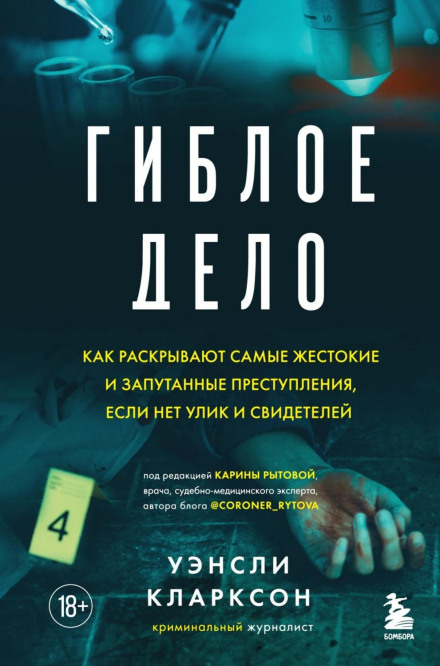
Deadlocked: How the Most Brutal and Baffling Crimes Are Solved When There Are No Clues or Witnesses
8 hrs. 50 min.
Language
Russian
Author
Wensley Clarkson
Author
Wensley Clarkson
Narrator
Konstantin Romanenko
Narrator
Konstantin Romanenko
Description
This book is full of intriguing things:
– LOUD, UNSOLVED CASES THAT BECAME THE BASIS FOR FILM PLOTS.
– SERIAL KILLERS.
– SEXUAL MANIACS.
– VICTIMS OF SICK LOVE.
– MURDERERS AND CON ARTISTS.
How many more crimes would have been solved if DNA research, fingerprinting, and entomology had been developed in past centuries? The famous Jack the Ripper, never caught by Scotland Yard agents, would surely have been caught. Thanks to technological advances, today it’s possible to track the movements of any person. Every phone call you make can be checked. Every trip. And every purchase. But this mountain of personal data means nothing if there are no experts who can analyze it, select what matters, and put everything together to find what’s needed.
To understand how forensic science evolved, you need to look at the past, present, and future of this most imprecise of all sciences—and meet the people who had a major impact on the world of forensic expertise.
– Where and how were the first autopsies conducted?
– When was the very first forensic laboratory opened?
– Where did the earliest version of a lie detector appear?
– What revolution in crime solvability did DNA analysis make?
– Why is a body farm needed?
– LOUD, UNSOLVED CASES THAT BECAME THE BASIS FOR FILM PLOTS.
– SERIAL KILLERS.
– SEXUAL MANIACS.
– VICTIMS OF SICK LOVE.
– MURDERERS AND CON ARTISTS.
How many more crimes would have been solved if DNA research, fingerprinting, and entomology had been developed in past centuries? The famous Jack the Ripper, never caught by Scotland Yard agents, would surely have been caught. Thanks to technological advances, today it’s possible to track the movements of any person. Every phone call you make can be checked. Every trip. And every purchase. But this mountain of personal data means nothing if there are no experts who can analyze it, select what matters, and put everything together to find what’s needed.
To understand how forensic science evolved, you need to look at the past, present, and future of this most imprecise of all sciences—and meet the people who had a major impact on the world of forensic expertise.
– Where and how were the first autopsies conducted?
– When was the very first forensic laboratory opened?
– Where did the earliest version of a lie detector appear?
– What revolution in crime solvability did DNA analysis make?
– Why is a body farm needed?
100%
10:23
Гиблое дело. Как раскрывают самые жестокие и запутанные преступления, если нет улик и свидетелей - 0 - Предисловие. «Безмолвный свидетель»
00:45
Гиблое дело. Как раскрывают самые жестокие и запутанные преступления, если нет улик и свидетелей - 1 - Юридическое определение
01:29
Гиблое дело. Как раскрывают самые жестокие и запутанные преступления, если нет улик и свидетелей - 2 - От автора
02:36
Гиблое дело. Как раскрывают самые жестокие и запутанные преступления, если нет улик и свидетелей - 3 - Посвящение
10:13
Гиблое дело. Как раскрывают самые жестокие и запутанные преступления, если нет улик и свидетелей - 4 - Введение
08:24
Гиблое дело. Как раскрывают самые жестокие и запутанные преступления, если нет улик и свидетелей - 5 - Эффект «безмолвного свидетеля»
11:23
Гиблое дело. Как раскрывают самые жестокие и запутанные преступления, если нет улик и свидетелей - 6 - Пролог
14:20
Гиблое дело. Как раскрывают самые жестокие и запутанные преступления, если нет улик и свидетелей - 7 - Назад в прошлое
04:14
Гиблое дело. Как раскрывают самые жестокие и запутанные преступления, если нет улик и свидетелей - 8 - Заклятый враг убийц
07:44
Гиблое дело. Как раскрывают самые жестокие и запутанные преступления, если нет улик и свидетелей - 9 - Расцвет преступности
24:58
Гиблое дело. Как раскрывают самые жестокие и запутанные преступления, если нет улик и свидетелей - 10 - ДНК
06:45
Гиблое дело. Как раскрывают самые жестокие и запутанные преступления, если нет улик и свидетелей - 11 - Базы данных ДНК
03:09
Гиблое дело. Как раскрывают самые жестокие и запутанные преступления, если нет улик и свидетелей - 12 - Передача ДНК
02:49
Гиблое дело. Как раскрывают самые жестокие и запутанные преступления, если нет улик и свидетелей - 13 - Ложноположительные совпадения ДНК
04:15
Гиблое дело. Как раскрывают самые жестокие и запутанные преступления, если нет улик и свидетелей - 14 - Новые технологии, связанные с ДНК
05:32
Гиблое дело. Как раскрывают самые жестокие и запутанные преступления, если нет улик и свидетелей - 15 - Перенос частиц и волокон
08:25
Гиблое дело. Как раскрывают самые жестокие и запутанные преступления, если нет улик и свидетелей - 16 - Судебно-экологическая экспертиза
04:25
Гиблое дело. Как раскрывают самые жестокие и запутанные преступления, если нет улик и свидетелей - 17 - Психологический след
09:32
Гиблое дело. Как раскрывают самые жестокие и запутанные преступления, если нет улик и свидетелей - 18 - Служба судебной экспертизы
17:40
Гиблое дело. Как раскрывают самые жестокие и запутанные преступления, если нет улик и свидетелей - 19 - Лаборатория правительственного химика
08:35
Гиблое дело. Как раскрывают самые жестокие и запутанные преступления, если нет улик и свидетелей - 20 - Судебно-медицинский центр имени Иэна Уэста
17:12
Гиблое дело. Как раскрывают самые жестокие и запутанные преступления, если нет улик и свидетелей - 21 - Ферма тел
09:22
Гиблое дело. Как раскрывают самые жестокие и запутанные преступления, если нет улик и свидетелей - 22 - Столкновение с мертвыми
2:04:26
Гиблое дело. Как раскрывают самые жестокие и запутанные преступления, если нет улик и свидетелей - 23 - Разгадывание тайн. Часть 1
1:21:43
Гиблое дело. Как раскрывают самые жестокие и запутанные преступления, если нет улик и свидетелей - 24 - Глухие дела
09:19
Гиблое дело. Как раскрывают самые жестокие и запутанные преступления, если нет улик и свидетелей - 25 - Прикосновение
02:46
Гиблое дело. Как раскрывают самые жестокие и запутанные преступления, если нет улик и свидетелей - 26 - Пропавшие без вести
03:47
Гиблое дело. Как раскрывают самые жестокие и запутанные преступления, если нет улик и свидетелей - 27 - Нераскрытые дела
27:35
Гиблое дело. Как раскрывают самые жестокие и запутанные преступления, если нет улик и свидетелей - 28 - Соединенные штаты преступности
13:59
Гиблое дело. Как раскрывают самые жестокие и запутанные преступления, если нет улик и свидетелей - 29 - Головотяпство в лабораториях ДНК
06:18
Гиблое дело. Как раскрывают самые жестокие и запутанные преступления, если нет улик и свидетелей - 30 - Экспертные доказательства
05:26
Гиблое дело. Как раскрывают самые жестокие и запутанные преступления, если нет улик и свидетелей - 31 - Рождение программы
04:05
Гиблое дело. Как раскрывают самые жестокие и запутанные преступления, если нет улик и свидетелей - 32 - Ключ к упеху
04:59
Гиблое дело. Как раскрывают самые жестокие и запутанные преступления, если нет улик и свидетелей - 33 - Прощай, Сэм Райан
06:00
Гиблое дело. Как раскрывают самые жестокие и запутанные преступления, если нет улик и свидетелей - 34 - Настоящая Никки Александер
01:52
Гиблое дело. Как раскрывают самые жестокие и запутанные преступления, если нет улик и свидетелей - 35 - Движущая сила «Безмолвного свидетеля»
10:56
Гиблое дело. Как раскрывают самые жестокие и запутанные преступления, если нет улик и свидетелей - 36 - Точность и подлинность
01:27
Гиблое дело. Как раскрывают самые жестокие и запутанные преступления, если нет улик и свидетелей - 37 - «Безмолвный свидетель» и Лондон
05:32
Гиблое дело. Как раскрывают самые жестокие и запутанные преступления, если нет улик и свидетелей - 38 - Серия, которой никогда не было
04:21
Гиблое дело. Как раскрывают самые жестокие и запутанные преступления, если нет улик и свидетелей - 39 - «Высшее благо» в финале
02:52
Гиблое дело. Как раскрывают самые жестокие и запутанные преступления, если нет улик и свидетелей - 40 - Высокие технологии
02:29
Гиблое дело. Как раскрывают самые жестокие и запутанные преступления, если нет улик и свидетелей - 41 - Набор персонала
01:29
Гиблое дело. Как раскрывают самые жестокие и запутанные преступления, если нет улик и свидетелей - 42 - День ДНК
05:36
Гиблое дело. Как раскрывают самые жестокие и запутанные преступления, если нет улик и свидетелей - 43 - Идеальное убийство
02:21
Гиблое дело. Как раскрывают самые жестокие и запутанные преступления, если нет улик и свидетелей - 44 - Никогда не забудем
05:43
Гиблое дело. Как раскрывают самые жестокие и запутанные преступления, если нет улик и свидетелей - 45 - Герои судебной медицины
01:06
Гиблое дело. Как раскрывают самые жестокие и запутанные преступления, если нет улик и свидетелей - 46 - Об авторе
