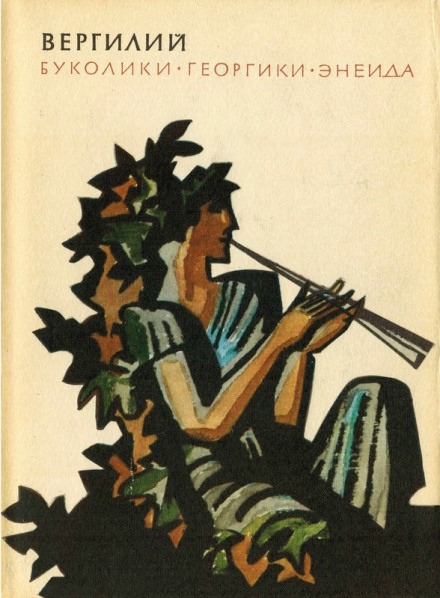
Georgics
5 hrs. 23 min.
Description
Virgil was the most famous poet of the Augustan age. He was born in 70 BC near Mantua, received his first education in Cremona; at sixteen he received the toga of manhood. This celebration coincided with the year of Lucretius’s death, so contemporaries regarded the young poet as a direct successor to the singer of “De rerum natura.” Further education Virgil received in Milan, Naples, and Rome, where he studied Greek literature and philosophy. Despite his interest in Epicureanism and his deep reverence for Lucretius, Virgil did not join the Epicurean school; he was drawn to Plato and the Stoics.
“The Georgics,” Virgil’s second poem, consisting of four books, was written to arouse love for farming in the souls of veterans who had been rewarded with land. Taking Hesiod as a model, Virgil, however, does not go into, like his Greek source, all the details of agricultural practice. His aim is to show, in poetic images, the charms of rural life—not to write rules about how to sow and reap. Therefore details of farming work interest him only where they have poetic value. From Hesiod, Virgil took only indications about lucky and unlucky days and some agricultural methods. The best part of the poem—its digressions of a natural-philosophical character—comes largely from Lucretius.
One of Virgil’s imitators was Luigi Alamanni.
“The Georgics,” Virgil’s second poem, consisting of four books, was written to arouse love for farming in the souls of veterans who had been rewarded with land. Taking Hesiod as a model, Virgil, however, does not go into, like his Greek source, all the details of agricultural practice. His aim is to show, in poetic images, the charms of rural life—not to write rules about how to sow and reap. Therefore details of farming work interest him only where they have poetic value. From Hesiod, Virgil took only indications about lucky and unlucky days and some agricultural methods. The best part of the poem—its digressions of a natural-philosophical character—comes largely from Lucretius.
One of Virgil’s imitators was Luigi Alamanni.
100%
02:14
0001
17:28
0002
21:49
0003
22:11
0004
17:08
0005
15:27
0006
58:22
0007
56:51
0008
56:26
0009
55:18
0010
