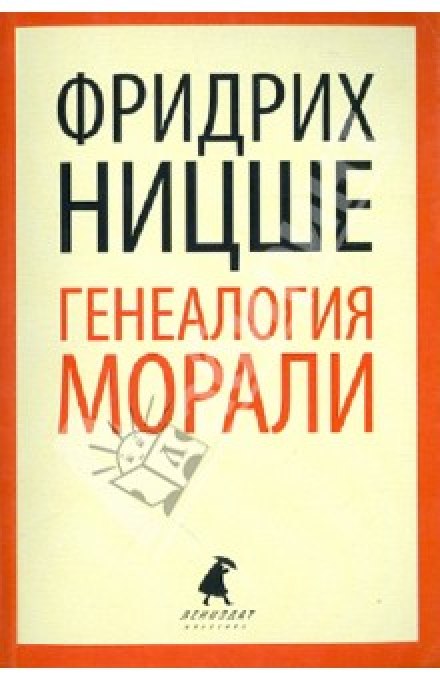
On the Genealogy of Morality
7 hrs. 10 min.
Language
Russian
Author
Friedrich Nietzsche
Author
Friedrich Nietzsche
Narrator
Vyacheslav Gerasimov
Narrator
Vyacheslav Gerasimov
Description
Nietzsche considers the problem of morality only from the standpoint of psychology, without relating it to “god-givenness.” At the same time, the division between good and evil, in his view, is purely a human invention. Addressing the origin of moral prejudices, the philosopher is critical of Christian morality about suppressing in a person spiritual strength, dogmatism, and resistance to the free principle of human nature. He argues that such morality and the need for the supernatural and the unknowable take root in the worst and most dangerous feelings: spite, self-abasement, resentment, and cruelty. Nietzsche believes that the road on which European society has gone so far is fraught with a monstrous consequence—one that he foretells for his contemporaries.
100%
02:32
00_01
02:40
00_02
03:49
00_03
02:03
00_04
02:47
00_05
03:00
00_06
03:36
00_07
02:28
00_08
03:38
01_01
05:19
01_02
02:05
01_03
02:38
01_04
05:59
01_05
07:44
01_06
04:01
01_07
02:49
01_08
09:30
01_09
09:34
01_10
03:10
01_11
06:37
01_12
05:46
01_13
06:14
01_14
06:47
01_15
01:20
01_16
04:50
02_01
04:53
02_02
06:34
02_03
03:59
02_04
04:01
02_05
05:01
02_06
09:20
02_07
03:12
02_08
03:25
02_09
03:24
02_10
10:12
02_11
08:16
02_12
05:51
02_13
04:24
02_14
03:28
02_15
06:39
02_16
04:41
02_17
03:42
02_18
05:42
02_19
03:14
02_20
04:08
02_21
04:22
02_22
03:55
02_23
05:29
02_24
00:35
02_25
02:31
03_01
04:11
03_02
03:53
03_03
03:42
03_04
05:11
03_05
07:37
03_06
06:38
03_07
13:05
03_08
08:16
03_09
04:44
03_10
06:46
03_11
04:53
03_12
05:40
03_13
12:10
03_14
09:05
03_15
04:49
03_16
14:04
03_17
07:06
03_18
07:54
03_19
05:11
03_20
09:42
03_21
06:44
03_22
07:21
03_23
10:07
03_24
10:36
03_25
08:25
03_26
06:27
03_27
04:20
03_28
