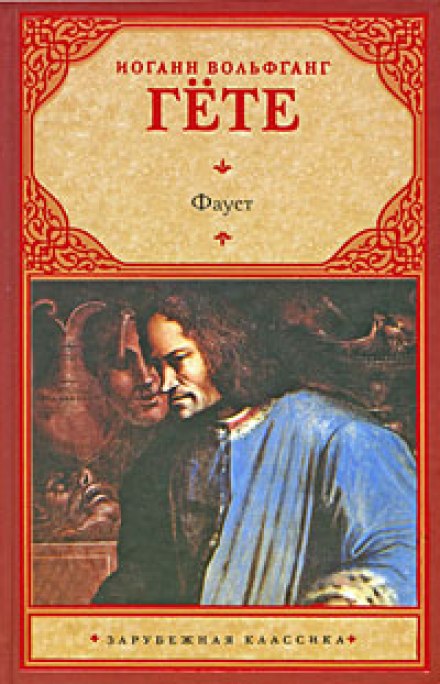
Faust
12 hrs. 22 min.
Language
Russian
Author
Johann Wolfgang von Goethe
Author
Johann Wolfgang von Goethe
Narrator
Igor Dobryakov
Narrator
Igor Dobryakov
Description
The book is based on the famous legend about the alchemist Faust. A contract made with the devil has been used many times in literature, but Goethe’s work in this regard stands out for its special depth and solidity. Faust does not simply sell his soul to the devil unconditionally—not for fulfilling some specific passion, and not to achieve any concrete benefits. The terms of the bargain are such that the soul becomes Mephistopheles’s property only when Faust cries, “Stop for a moment, you are so beautiful!” Faust sells his soul for something that can fully fill the emptiness that rules within it. And then temptations begin: love, power, wealth, vanity… It can’t be said that Faust resisted. In principle, he is tempted, he takes everything offered, but nothing captures his heart completely. The cherished phrase is never spoken.
Mephistopheles is a treacherous, experienced, and cunning figure. In the end, he gets what he wants. Faust gives in and asks that time be stopped. Satan rejoices, rubbing his hands in anticipation of the long-awaited prize—but it turns out he has lost. Faust’s soul, despite the contract, does not belong to him. Why it happened this way can be learned only by reading Goethe’s book to the end.
Mephistopheles is a treacherous, experienced, and cunning figure. In the end, he gets what he wants. Faust gives in and asks that time be stopped. Satan rejoices, rubbing his hands in anticipation of the long-awaited prize—but it turns out he has lost. Faust’s soul, despite the contract, does not belong to him. Why it happened this way can be learned only by reading Goethe’s book to the end.
