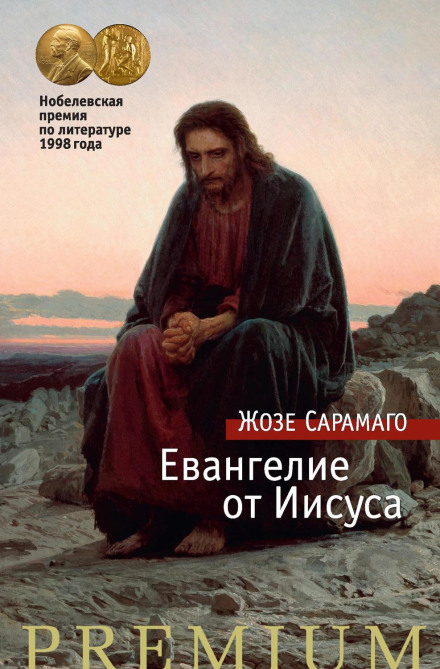
The Gospel According to Jesus Christ
16 hrs. 31 min.
Language
Russian
Author
José Saramago
Author
José Saramago
Narrator
Anton Cheskidov
Narrator
Anton Cheskidov
Description
"The Gospel According to Jesus" is a novel that caused a scandal in the 20th century and was criticized by the church. José Saramago was awarded the Nobel Prize for this work, noted for its use of parables, imagination, compassion, and irony to examine a fragile reality.
Saramago, like Mikhail Bulgakov in "The Master and Margarita" and Dan Brown in "The Da Vinci Code," reconsiders the Gospel plot and presents his version of events. The reader witnesses the beginning of the family life of Mary and Joseph—where they do not suspect that their lives will soon be overturned by a poor man who will accuse Mary of pregnancy and leave behind a cup of glowing earth. The novel tells about Joseph’s guilt in the death of the Bethlehem children and how this guilt affected his firstborn. It also recounts that Mary will be left alone with nine children, while Jesus will be given only sandals from his father. And, of course, no one expected God and the Devil to turn out to be together—so as to help Jesus of Nazareth realize his calling.
This is the story of an ordinary person with all his weaknesses, desires, and passions—who becomes an instrument of divine providence, trying to resist it.
Saramago, like Mikhail Bulgakov in "The Master and Margarita" and Dan Brown in "The Da Vinci Code," reconsiders the Gospel plot and presents his version of events. The reader witnesses the beginning of the family life of Mary and Joseph—where they do not suspect that their lives will soon be overturned by a poor man who will accuse Mary of pregnancy and leave behind a cup of glowing earth. The novel tells about Joseph’s guilt in the death of the Bethlehem children and how this guilt affected his firstborn. It also recounts that Mary will be left alone with nine children, while Jesus will be given only sandals from his father. And, of course, no one expected God and the Devil to turn out to be together—so as to help Jesus of Nazareth realize his calling.
This is the story of an ordinary person with all his weaknesses, desires, and passions—who becomes an instrument of divine providence, trying to resist it.
