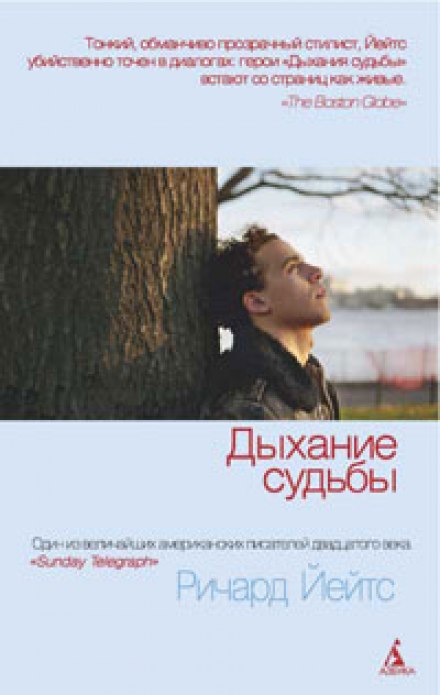
The Easter Parade
11 hrs. 7 min.
Language
Russian
Author
Richard Yates
Author
Richard Yates
Narrator
Irina Yerisanova
Narrator
Irina Yerisanova
Description
You are lonely from birth to the very end, with nobody to help you overcome that loneliness. However—no dramas, no hysteria.
Richard Yates, the least known—Esquire’s bitter remark—of the great American writers, died in 1992 from complications after surgery on his lungs. By that time, his sturdy, well-crafted prose had already been largely, firmly forgotten. Yates was destined to receive the status of being “rediscovered” only in 1999, after an article by his fellow writer Stewart O’Nan. The article was titled “The Lost World of Richard Yates,” and it raised the question of how a critically acclaimed writer—beloved by Vonnegut—could be so uninteresting to the general public. No clear answer was found: life is unfair, life for a writer is unfair twice over. The article’s title—“The Lost World”—nevertheless brilliantly describes Yates’s literary legacy. His books, the earliest of which appeared in 1961, seem to have forgotten time. Beyond their covers, intellectual wars rage; new styles are born and die; even the ice floe of literature cracks, ready to spread into pieces—but inside everything is neatly assembled, as if the objects were packed up before leaving. The everyday life of America in the 1950s is preserved in them lovingly and carefully: together with the characters we enter rooms, touch fabrics, feel dampness, cold, heat. If you lift the tin lid of this can, you can sense an aroma somehow familiar from childhood. These are preserves—but of very high quality.
Richard Yates, the least known—Esquire’s bitter remark—of the great American writers, died in 1992 from complications after surgery on his lungs. By that time, his sturdy, well-crafted prose had already been largely, firmly forgotten. Yates was destined to receive the status of being “rediscovered” only in 1999, after an article by his fellow writer Stewart O’Nan. The article was titled “The Lost World of Richard Yates,” and it raised the question of how a critically acclaimed writer—beloved by Vonnegut—could be so uninteresting to the general public. No clear answer was found: life is unfair, life for a writer is unfair twice over. The article’s title—“The Lost World”—nevertheless brilliantly describes Yates’s literary legacy. His books, the earliest of which appeared in 1961, seem to have forgotten time. Beyond their covers, intellectual wars rage; new styles are born and die; even the ice floe of literature cracks, ready to spread into pieces—but inside everything is neatly assembled, as if the objects were packed up before leaving. The everyday life of America in the 1950s is preserved in them lovingly and carefully: together with the characters we enter rooms, touch fabrics, feel dampness, cold, heat. If you lift the tin lid of this can, you can sense an aroma somehow familiar from childhood. These are preserves—but of very high quality.
100%
05:17
Dyhanie_001
05:02
Dyhanie_002
05:26
Dyhanie_003
05:03
Dyhanie_004
05:04
Dyhanie_005
05:04
Dyhanie_006
05:04
Dyhanie_007
05:04
Dyhanie_008
05:02
Dyhanie_009
05:22
Dyhanie_010
05:05
Dyhanie_011
05:02
Dyhanie_012
05:05
Dyhanie_013
05:07
Dyhanie_014
05:02
Dyhanie_015
05:14
Dyhanie_016
05:01
Dyhanie_017
05:01
Dyhanie_018
05:06
Dyhanie_019
05:02
Dyhanie_020
05:08
Dyhanie_021
05:16
Dyhanie_022
05:16
Dyhanie_023
05:03
Dyhanie_024
05:02
Dyhanie_025
05:03
Dyhanie_026
01:46
Dyhanie_027
05:03
Dyhanie_028
05:03
Dyhanie_029
05:04
Dyhanie_030
05:02
Dyhanie_031
05:08
Dyhanie_032
05:03
Dyhanie_033
05:03
Dyhanie_034
05:03
Dyhanie_035
05:03
Dyhanie_036
05:02
Dyhanie_037
05:02
Dyhanie_038
05:04
Dyhanie_039
05:04
Dyhanie_040
05:02
Dyhanie_041
05:12
Dyhanie_042
05:03
Dyhanie_043
05:13
Dyhanie_044
05:06
Dyhanie_045
05:04
Dyhanie_046
05:03
Dyhanie_047
05:04
Dyhanie_048
05:03
Dyhanie_049
05:13
Dyhanie_050
05:05
Dyhanie_051
05:03
Dyhanie_052
05:02
Dyhanie_053
05:06
Dyhanie_054
05:02
Dyhanie_055
05:09
Dyhanie_056
05:05
Dyhanie_057
05:08
Dyhanie_058
05:02
Dyhanie_059
05:04
Dyhanie_060
05:03
Dyhanie_061
05:08
Dyhanie_062
05:03
Dyhanie_063
05:03
Dyhanie_064
05:02
Dyhanie_065
05:04
Dyhanie_066
05:04
Dyhanie_067
05:03
Dyhanie_068
05:16
Dyhanie_069
05:04
Dyhanie_070
05:01
Dyhanie_071
05:20
Dyhanie_072
05:01
Dyhanie_073
05:02
Dyhanie_074
05:04
Dyhanie_075
05:05
Dyhanie_076
05:04
Dyhanie_077
05:05
Dyhanie_078
05:05
Dyhanie_079
05:02
Dyhanie_080
05:02
Dyhanie_081
05:04
Dyhanie_082
05:04
Dyhanie_083
05:02
Dyhanie_084
05:01
Dyhanie_085
05:14
Dyhanie_086
05:08
Dyhanie_087
05:02
Dyhanie_088
05:08
Dyhanie_089
05:04
Dyhanie_090
05:03
Dyhanie_091
05:12
Dyhanie_092
05:10
Dyhanie_093
05:18
Dyhanie_094
05:07
Dyhanie_095
05:02
Dyhanie_096
05:09
Dyhanie_097
05:04
Dyhanie_098
05:11
Dyhanie_099
05:02
Dyhanie_100
05:09
Dyhanie_101
05:13
Dyhanie_102
05:18
Dyhanie_103
05:20
Dyhanie_104
05:03
Dyhanie_105
05:02
Dyhanie_106
05:10
Dyhanie_107
05:10
Dyhanie_108
05:14
Dyhanie_109
05:22
Dyhanie_110
05:24
Dyhanie_111
05:09
Dyhanie_112
05:02
Dyhanie_113
05:05
Dyhanie_114
05:11
Dyhanie_115
05:17
Dyhanie_116
05:18
Dyhanie_117
05:30
Dyhanie_118
05:13
Dyhanie_119
05:07
Dyhanie_120
05:04
Dyhanie_121
05:08
Dyhanie_122
05:12
Dyhanie_123
05:06
Dyhanie_124
05:10
Dyhanie_125
05:40
Dyhanie_126
05:19
Dyhanie_127
05:02
Dyhanie_128
05:01
Dyhanie_129
05:03
Dyhanie_130
05:02
Dyhanie_131
00:28
Dyhanie_132
