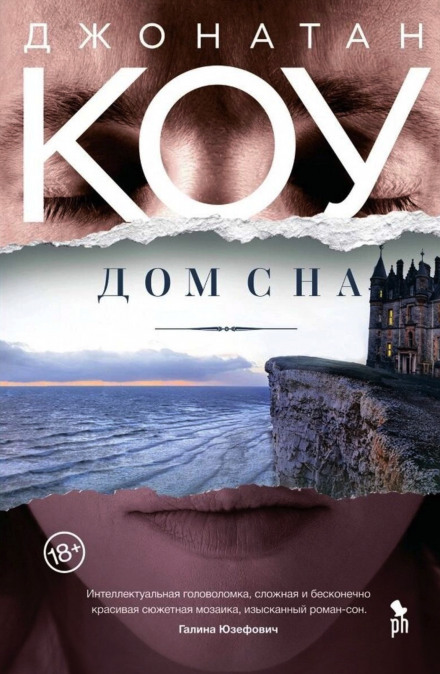
The House of Sleep
11 hrs. 11 min.
Language
Russian
Author
Jonathan Coe
Author
Jonathan Coe
Narrator
Kirill Radtsig
Narrator
Kirill Radtsig
Description
Jonathan Coe’s “The House of Sleep” is an ironic and virtuoso novel about love, loneliness, loss, and madness. The book’s characters have complicated relationships with sleep: they sleep too little, too much, don’t sleep at all, have strange dreams, never dream… Twelve years ago, the narcoleptic Sarah, Terry the film fan, the manic Gregory, and the romantic Robert lived in the gloomy Ashdown mansion—where a sleep-disorder clinic is now located. Life scattered them in different directions, but they remain tied by strong threads of insomnia and dreams. After a series of strange and astonishing events—extremely reminiscent of a tangled nightmare—all four end up in Ashdown again and set the plot’s spring in motion, planned with such care that most contemporary novels look like sketches by aspiring impressionists in comparison to “The House of Sleep.” Coe’s work brings to mind the frivolous farces of P. G. Wodehouse and the gloomy satire of Evelyn Waugh. Coe’s style is energy, tenderness, heartfelt warmth, and comedy. In 1997, “The House of Sleep” won the Guild of British Writers award.
100%
06:28
00
41:39
01
29:57
02
39:30
03
43:55
04
33:42
05
39:51
06
33:30
07
37:28
08
32:44
09
34:50
10
41:52
11
33:21
12
36:34
13
39:20
14
27:47
15
40:03
16
31:28
17
41:52
18
06:08
19
