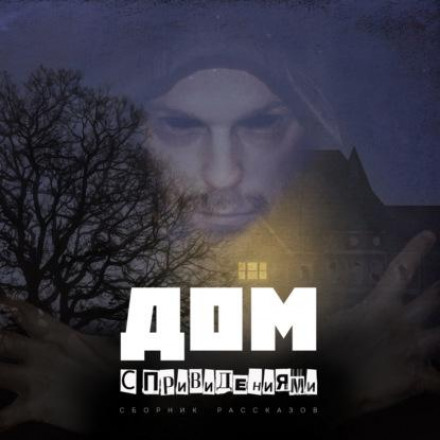
The Haunted House
5 hrs. 14 min.
Description
Stories about bloodthirsty ghosts were told even before people invented writing—usually on dark nights by the fire, in a terrible voice, with howls, so that the listeners would be even more afraid. Later, letters appeared, then literature, and many writers began to give that ancient horror a romantic look—populating gothic castles and park gazebos with ghosts, in places washed by moonlight. By the end of the 19th century, ghost stories were separated into a distinct genre and began to be studied at universities.
Cambridge professor Montague Rhodes James devised the formula of the perfect scary tale. First, the story must take place in a realistic setting familiar to many readers. Second, the ghosts shouldn’t appear right away—authors should hint several times at their impending arrival, and try to provide a rational explanation for supernatural events. Third, among the heroes, it’s best to introduce a materialist who doesn’t believe in ghosts at first, but who will end up being frightened more than anyone. And most importantly, don’t try to describe the bodiless spirit in detail! The atmosphere of sheer terror arises precisely when the reader’s imagination runs wild.
Using this formula, we selected eight stories for the collection “House of Ghosts.” Enjoy listening!
Contents:
Francis Bret Harte “The Mystery of the Hacienda”
Ellgernon Blackwood “The Severed Hand”
Francis Marion Crawford “Blood Is Life”
Montague Rhodes James “A School Story”
Rudyard Kipling “The Ghost-Rickshaw”
Edith Nesbit “The House of Ghosts”
Robert Chambers “The Case of Mr. Helmer”
Frank Stockton “The Fake Ghost”
Cambridge professor Montague Rhodes James devised the formula of the perfect scary tale. First, the story must take place in a realistic setting familiar to many readers. Second, the ghosts shouldn’t appear right away—authors should hint several times at their impending arrival, and try to provide a rational explanation for supernatural events. Third, among the heroes, it’s best to introduce a materialist who doesn’t believe in ghosts at first, but who will end up being frightened more than anyone. And most importantly, don’t try to describe the bodiless spirit in detail! The atmosphere of sheer terror arises precisely when the reader’s imagination runs wild.
Using this formula, we selected eight stories for the collection “House of Ghosts.” Enjoy listening!
Contents:
Francis Bret Harte “The Mystery of the Hacienda”
Ellgernon Blackwood “The Severed Hand”
Francis Marion Crawford “Blood Is Life”
Montague Rhodes James “A School Story”
Rudyard Kipling “The Ghost-Rickshaw”
Edith Nesbit “The House of Ghosts”
Robert Chambers “The Case of Mr. Helmer”
Frank Stockton “The Fake Ghost”
100%
1:10:25
10_01_Тайна гасиенды
41:16
10_02_Отрубленная кисть
45:24
10_03_Поскольку кровь есть жизнь
19:22
10_04_Школьная история
57:28
10_05_Рикша-призрак
30:46
10_06_Дом с привидениями
19:49
10_07_Случай с мистером Хельмером
30:17
10_08_Фальшивый призрак
