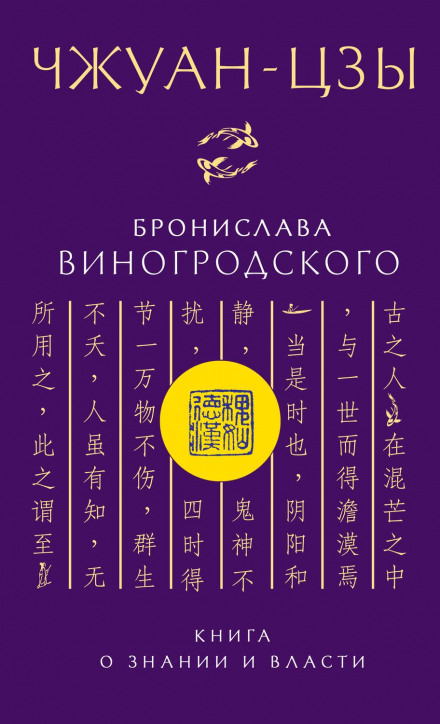
Zhuangzi by Bronislav Vinogrodsky. A Book of Knowledge and Power
17 hrs. 1 min.
Language
Russian
Author
Bronislav Vinogrodsky
Author
Bronislav Vinogrodsky
Narrator
Roman Volkov
Narrator
Roman Volkov
Description
“The Dream of Zhuangzi,” in which it seemed to him that he was a butterfly, and the waking with the question, “Who is dreaming whom—the butterfly Zhuangzi or Zhuangzi the butterfly?”—possibly the most famous Chinese metaphor in the world about how consciousness and the world are structured. Zhuangzi was a famous Daoist philosopher and author of parables—standing in the pantheon of Chinese culture on a level comparable to Confucius and Laozi, yet special because his works are accessible to readers of any level of preparation, directly: as text and as vivid imagery. And these parables have a direct, immediate effect on the reader’s mind, transforming the symbols of amusing and instructive stories into a charge of creative energy—energy that each person is free to direct wherever they wish: into business, self-improvement, relationships, or their own creativity. After all, the Great Contemplator told us what he saw around him, constantly turning his gaze not at things, but at time and the primordial in those things. In essence, throughout the entire text it’s about simple, everyday things—but as soon as they come into the field of view of a wise mind, a great secret of this world instantly reveals itself.
100%
08:17
Чжуан-цзы Бронислава Виногродского. Книга о знании и власти - 0 - Предисловие
02:36
Чжуан-цзы Бронислава Виногродского. Книга о знании и власти - 1 - Сон мотылька_ жизнь Чжуан-цзы
27:42
Чжуан-цзы Бронислава Виногродского. Книга о знании и власти - 2 - Свиток 1. Ловля свободных потоков воли
1:00:07
Чжуан-цзы Бронислава Виногродского. Книга о знании и власти - 3 - Свиток 2. Равновесие предметов
06:26
Чжуан-цзы Бронислава Виногродского. Книга о знании и власти - 4 - Свиток 3. Главное в питании и жизни
55:34
Чжуан-цзы Бронислава Виногродского. Книга о знании и власти - 5 - Свиток 4. В миру среди людей
22:18
Чжуан-цзы Бронислава Виногродского. Книга о знании и власти - 6 - Свиток 5. Полное проявление силы духа
34:29
Чжуан-цзы Бронислава Виногродского. Книга о знании и власти - 7 - Свиток 6. Великий наставник предков
14:00
Чжуан-цзы Бронислава Виногродского. Книга о знании и власти - 8 - Свиток 7. Соответствие владык и правителей
13:11
Чжуан-цзы Бронислава Виногродского. Книга о знании и власти - 9 - Свиток 8. Сросшиеся пальцы
06:56
Чжуан-цзы Бронислава Виногродского. Книга о знании и власти - 10 - Свиток 9. Конские копыта
13:45
Чжуан-цзы Бронислава Виногродского. Книга о знании и власти - 11 - Свиток 10. Взломать сундук
54:35
Чжуан-цзы Бронислава Виногродского. Книга о знании и власти - 12 - Свиток 11. Отпустить на волю
54:34
Чжуан-цзы Бронислава Виногродского. Книга о знании и власти - 13 - Свиток 12. Небо и земля
37:14
Чжуан-цзы Бронислава Виногродского. Книга о знании и власти - 14 - Свиток 13. Небесный Путь
37:40
Чжуан-цзы Бронислава Виногродского. Книга о знании и власти - 15 - Свиток 14. Движется ли небо_
10:01
Чжуан-цзы Бронислава Виногродского. Книга о знании и власти - 16 - Свиток 15. Отточенность мысли
11:06
Чжуан-цзы Бронислава Виногродского. Книга о знании и власти - 17 - Свиток 16. Исправление природы
42:36
Чжуан-цзы Бронислава Виногродского. Книга о знании и власти - 18 - Свиток 17. Осенние воды
22:14
Чжуан-цзы Бронислава Виногродского. Книга о знании и власти - 19 - Cвиток 18. Совершенное счастье
38:47
Чжуан-цзы Бронислава Виногродского. Книга о знании и власти - 20 - Свиток 19. Смысл жизни
32:49
Чжуан-цзы Бронислава Виногродского. Книга о знании и власти - 21 - Свиток 20. Огромное дерево
28:14
Чжуан-цзы Бронислава Виногродского. Книга о знании и власти - 22 - Свиток 21. Учитель Полевой
33:50
Чжуан-цзы Бронислава Виногродского. Книга о знании и власти - 23 - Свиток 22. Берега Темных вод
39:47
Чжуан-цзы Бронислава Виногродского. Книга о знании и власти - 24 - Свиток 23. Железный Шелковник
50:35
Чжуан-цзы Бронислава Виногродского. Книга о знании и власти - 25 - Свиток 24. Медлитель Безбесов
39:03
Чжуан-цзы Бронислава Виногродского. Книга о знании и власти - 26 - Свиток 25. Странствия в Ясном
21:42
Чжуан-цзы Бронислава Виногродского. Книга о знании и власти - 27 - Свиток 26. Внешние предметы
15:14
Чжуан-цзы Бронислава Виногродского. Книга о знании и власти - 28 - Свиток 27. Скрытые смыслы в р
36:48
Чжуан-цзы Бронислава Виногродского. Книга о знании и власти - 29 - Свиток 28. Отречение от престола
43:56
Чжуан-цзы Бронислава Виногродского. Книга о знании и власти - 30 - Свиток 29. Разбойник Стопа
12:02
Чжуан-цзы Бронислава Виногродского. Книга о знании и власти - 31 - Свиток 30. Разговор о мечах
23:27
Чжуан-цзы Бронислава Виногродского. Книга о знании и власти - 32 - Свиток 31. Старый Рыбак
25:34
Чжуан-цзы Бронислава Виногродского. Книга о знании и власти - 33 - Свиток 32. Рядов Укротитель Воров
44:22
Чжуан-цзы Бронислава Виногродского. Книга о знании и власти - 34 - Свиток 33. Управление Поднебесной
