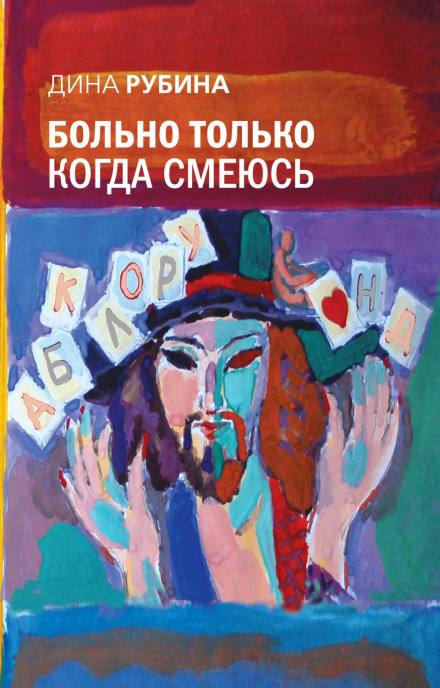
It Only Hurts When I Laugh
10 hrs. 13 min.
Description
“It hurts only when I laugh” is not just a scatter of “jokes” in the sense that A. S. Pushkin gave the word: a story, an incident, an awkward or strange—or dramatic—situation. It’s also a lively, swift conversation with all kinds of people on all kinds of topics. In Dina Rubina’s always emotional conversation, she doesn’t recognize boundaries; her remarks, stories, and characters from her life appear to us colored by the author’s humor, sarcasm, pain, and compassion.
“I suddenly realized that life itself—life as it is—was passing before my eyes along with the pages of questions and answers: serious and tragic, fascinating and funny. Worthy of just existing. It’s a book, I thought. It’s also a book. Only you have to shuffle through the life frozen in question-and-answer form, shake it properly, blow off the dust, steam it here and mend it there, smooth out the corners… and it will be like new! Or rather, it will be the way I want to remember it—with all those tales, characters, memories, theme pictures…”
— Dina Rubina
“I suddenly realized that life itself—life as it is—was passing before my eyes along with the pages of questions and answers: serious and tragic, fascinating and funny. Worthy of just existing. It’s a book, I thought. It’s also a book. Only you have to shuffle through the life frozen in question-and-answer form, shake it properly, blow off the dust, steam it here and mend it there, smooth out the corners… and it will be like new! Or rather, it will be the way I want to remember it—with all those tales, characters, memories, theme pictures…”
— Dina Rubina
