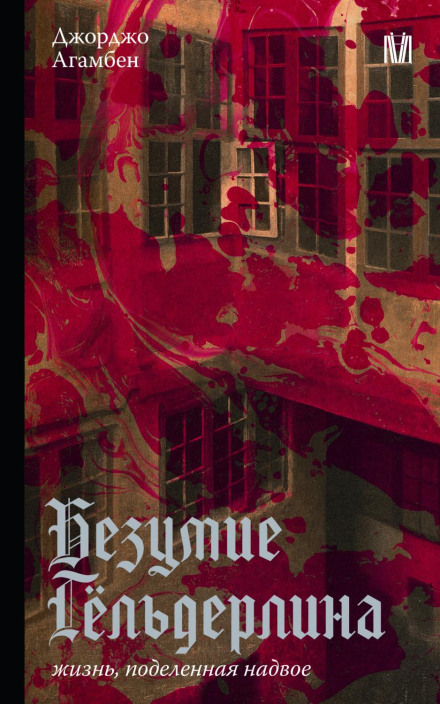
Holderlin's Madness: Chronicle of a Dwelling Life
7 hrs. 39 min.
Language
Russian
Author
Giorgio Agamben
Author
Giorgio Agamben
Narrator
Alexander Aravushkin
Narrator
Alexander Aravushkin
Description
Was the poet’s solitude a manifestation of madness or a form of protest? An Italian philosopher considers Hölderlin’s last years as an example of a life outside conventional norms, where poetry becomes the final form of freedom. Giorgio Agamben, a well-known Italian philosopher, studies the life and work of one of Europe’s greatest poets—Friedrich Hölderlin. In this unusual chronicle, Agamben turns to the poet’s final decades, which he spent in a state regarded as madness, in a tower on the banks of the Neckar. But was it truly madness, or was it a form of resistance? The author explores how the poet’s “lonely life”—between the public and the personal, between words and silence—becomes an example of existing outside of normality and time. Through letters, fragments of poems, testimonies of contemporaries, and his own philosophical reflections, Agamben shows that Hölderlin’s isolation is not simply an illness, but a way of existing—a political and poetic statement about the impossibility of being understood in his era. This book is not about a diagnosis, but about a fate—where poetry is the last form of freedom.
100%
01:50
Безумие Гёльдерлина. Жизнь, поделенная надвое 01
15:13
Безумие Гёльдерлина. Жизнь, поделенная надвое 02
39:05
Безумие Гёльдерлина. Жизнь, поделенная надвое 03
58:30
Безумие Гёльдерлина. Жизнь, поделенная надвое 04
18:05
Безумие Гёльдерлина. Жизнь, поделенная надвое 05
18:14
Безумие Гёльдерлина. Жизнь, поделенная надвое 06
05:21
Безумие Гёльдерлина. Жизнь, поделенная надвое 07
07:59
Безумие Гёльдерлина. Жизнь, поделенная надвое 08
06:15
Безумие Гёльдерлина. Жизнь, поделенная надвое 09
06:56
Безумие Гёльдерлина. Жизнь, поделенная надвое 10
04:42
Безумие Гёльдерлина. Жизнь, поделенная надвое 11
03:54
Безумие Гёльдерлина. Жизнь, поделенная надвое 12
02:22
Безумие Гёльдерлина. Жизнь, поделенная надвое 13
07:04
Безумие Гёльдерлина. Жизнь, поделенная надвое 14
07:09
Безумие Гёльдерлина. Жизнь, поделенная надвое 15
06:24
Безумие Гёльдерлина. Жизнь, поделенная надвое 16
04:35
Безумие Гёльдерлина. Жизнь, поделенная надвое 17
04:41
Безумие Гёльдерлина. Жизнь, поделенная надвое 18
04:13
Безумие Гёльдерлина. Жизнь, поделенная надвое 19
01:16
Безумие Гёльдерлина. Жизнь, поделенная надвое 20
01:02
Безумие Гёльдерлина. Жизнь, поделенная надвое 21
01:19
Безумие Гёльдерлина. Жизнь, поделенная надвое 22
04:50
Безумие Гёльдерлина. Жизнь, поделенная надвое 23
12:35
Безумие Гёльдерлина. Жизнь, поделенная надвое 24
16:42
Безумие Гёльдерлина. Жизнь, поделенная надвое 25
09:17
Безумие Гёльдерлина. Жизнь, поделенная надвое 26
01:27
Безумие Гёльдерлина. Жизнь, поделенная надвое 27
02:29
Безумие Гёльдерлина. Жизнь, поделенная надвое 28
04:31
Безумие Гёльдерлина. Жизнь, поделенная надвое 29
01:35
Безумие Гёльдерлина. Жизнь, поделенная надвое 30
08:53
Безумие Гёльдерлина. Жизнь, поделенная надвое 31
02:33
Безумие Гёльдерлина. Жизнь, поделенная надвое 32
04:18
Безумие Гёльдерлина. Жизнь, поделенная надвое 33
02:36
Безумие Гёльдерлина. Жизнь, поделенная надвое 34
03:12
Безумие Гёльдерлина. Жизнь, поделенная надвое 35
02:46
Безумие Гёльдерлина. Жизнь, поделенная надвое 36
05:37
Безумие Гёльдерлина. Жизнь, поделенная надвое 37
04:29
Безумие Гёльдерлина. Жизнь, поделенная надвое 38
02:04
Безумие Гёльдерлина. Жизнь, поделенная надвое 39
09:48
Безумие Гёльдерлина. Жизнь, поделенная надвое 40
08:03
Безумие Гёльдерлина. Жизнь, поделенная надвое 41
05:13
Безумие Гёльдерлина. Жизнь, поделенная надвое 42
03:31
Безумие Гёльдерлина. Жизнь, поделенная надвое 43
26:14
Безумие Гёльдерлина. Жизнь, поделенная надвое 44
11:28
Безумие Гёльдерлина. Жизнь, поделенная надвое 45
18:40
Безумие Гёльдерлина. Жизнь, поделенная надвое 46
29:37
Безумие Гёльдерлина. Жизнь, поделенная надвое 47
30:49
Безумие Гёльдерлина. Жизнь, поделенная надвое 48
