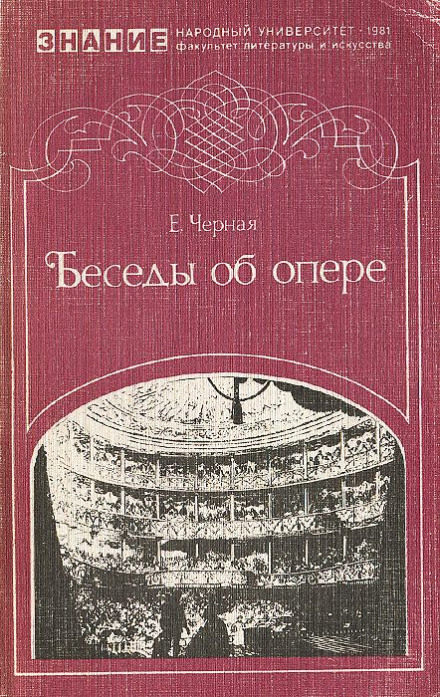
Conversations About Opera
6 hrs. 41 min.
Description
For already four centuries, opera has held the hearts and minds of millions of people. For three hundred years, at the very first sounds of the orchestra in the auditorium, that special atmosphere of uplift, excitement, and celebration inevitably accompanies every operatic performance. This feeling makes everyone equal—both connoisseurs of vocal art and unprepared listeners. The combination of drama and music, the participation of a huge performing ensemble—soloists, choir, and orchestra—, the vividness of the spectacle, and the diversity of dramatic techniques—all of this creates an unforgettable artistic impression. And it is unlikely that any other form of dramatic art can rival opera in its remarkable ability to embody the life of the people in mass scenes, paint unprecedented fantastic and fairy-tale images, and at the same time convey, with such deep truthfulness, personal, often hidden human experiences.
The power of operatic images and their direct effect on the listener proved, over centuries, to be the strongest magnet for outstanding musicians from around the world. “There is something irresistible that draws all composers to opera,” P. I. Tchaikovsky frankly admitted during the time he was creating ‘Onegin’—“it is that which alone gives you the means to communicate with the masses of the public… Opera—and only opera—brings you closer to people… makes you the property not only of separate small circles, but under favorable conditions, of the entire people.”
However, the secret of opera’s impact on the mass was accessible to far from every composer. Only true musical dramatists possessed it—such as Glinka, Mozart, Verdi, Bizet, Mussorgsky, Tchaikovsky, Borodin, Rimsky-Korsakov. Moreover, the audience’s indisputable approval was won only by those of their works in which the vividness of the images was combined with a special appropriateness of musical and staging techniques, helping the listener penetrate the composer’s intent.
Once a artist disregarded this condition—once, in their searches, they gave up the vitality of the content, language, or form—the contact with the audience was broken. And often, in their “dislike,” the viewer was right: instead of strict selection of means in composers’ work, extremes sometimes took hold. Some were enthralled by the orchestra and its colors; others by vocal technique or the decorative side of the performance; still others by the ability of music to imitate the intonations of human speech. These one-sided experiments shook the well-built organism of opera, impoverishing its possibilities, and sometimes even distorting them. Even when such experiments were produced by the hand of a genius musician (at least Wagner, who enriched the orchestral palette at the expense of opera’s vocal side), they still introduced a certain discord into the listener’s perception, and at times made him doubt the very appropriateness of the genre itself.
Throughout its long existence, opera has repeatedly faced serious crises. There were times when opera’s subject matter grew meager and degenerated, when, under the slogan of fighting operatic convention, war was declared against its basic laws. There were also periods when supposed innovators went so far as to the point of absurdity, rejecting any meaningful action on the operatic stage (this, by the way, is characteristic also of some contemporary foreign authors who proclaimed “freedom” of opera from specific ideas and images). Yet such crises, usually connected with a decline in the country’s spiritual life or a sharp political turn, lasted only until the next wave of public upsurge helped artists out of the dead end. And each time, when composers again touched upon truly essential themes, resolving them with realistic completeness and sincerity—when their work was nourished by the advanced ideas of modernity—opera invariably returned to life and, in the fullest sense of the word, became a possession of the people.
Disputes about the musical theater do not subside even today, involving an ever wider circle of professional musicians and amateurs. The subject of discussion most often is the very nature of opera—its language, its forms, and above all the laws of musical dramaturgy, which are still not fully studied. They really are quite distinctive. With all its closeness to the dramatic theater, opera has its own stage laws, different from dramatic theater’s; its own freedom and restrictions; its own theatrical convention. When comparing the two arts, much in opera seems unbelievable, unnatural—take, for example, the main difference of musical theater: people on stage sing rather than speak, and often sing simultaneously—three, four, or more—pronouncing different texts and expressing different thoughts and moods. It is difficult to catch the meaning of words in such scenes, and sometimes it is altogether impossible. Yet the relationships between the characters are revealed with such completeness—and, most importantly, in such subtle shades that in drama, under much more plausible circumstances, they often escape the viewer’s attention.
Consider another convention: in opera, many of the characters’ thoughts are seemingly “completed” by the orchestra, which sometimes serves as a kind of authorial commentary on what is happening. Composers use this device in drama and cinema as well, but there the meaning of instrumental music is purely auxiliary: it creates an emotional “background” for the action, fills pauses, or through a familiar melody reminds of some event—such a “musical subtext” is always brief, episodic, and by no means claims independent significance. In opera, the orchestra “acts” continuously and actively intervenes in the characters’ speech; it not only voices thoughts they did not say out loud, but sometimes even argues with them, insisting—clarifying for the audience—what they truly feel and what they conceal. At the same time, the interaction of instrumental and vocal parts is so natural and legitimate that the orchestra often convinces the listener more than the actors’ speech.
And opera’s sense of time is different from drama’s. For a dramatic actor, it is incomparably harder to hold the audience’s attention on a single thought and a single experience than for an operatic actor. The power of music is such that even the longest operatic monologues—for example, Tatyana’s letter or Ruslan’s philosophical reflection on the battlefield—do not seem tedious to the listener. On the contrary, he is grateful to the composer for these minutes of complete concentration on one action, one feeling, or one thought. They help him not only understand the internal meaning of what is happening, but also more easily grasp the overall composition of the whole; without such anchor moments that divide the whole and underline the significance of individual thoughts, the very process of musical image development would leave the listeners with a sense of shapelessness.
Over all the years opera has existed, composers have found ever new and new staging techniques, yet the fundamental laws of musical dramaturgy, recognized by them already at the dawn of operatic art, still do not lose their force.
We will begin our acquaintance with opera with the story of how it came into being.
The power of operatic images and their direct effect on the listener proved, over centuries, to be the strongest magnet for outstanding musicians from around the world. “There is something irresistible that draws all composers to opera,” P. I. Tchaikovsky frankly admitted during the time he was creating ‘Onegin’—“it is that which alone gives you the means to communicate with the masses of the public… Opera—and only opera—brings you closer to people… makes you the property not only of separate small circles, but under favorable conditions, of the entire people.”
However, the secret of opera’s impact on the mass was accessible to far from every composer. Only true musical dramatists possessed it—such as Glinka, Mozart, Verdi, Bizet, Mussorgsky, Tchaikovsky, Borodin, Rimsky-Korsakov. Moreover, the audience’s indisputable approval was won only by those of their works in which the vividness of the images was combined with a special appropriateness of musical and staging techniques, helping the listener penetrate the composer’s intent.
Once a artist disregarded this condition—once, in their searches, they gave up the vitality of the content, language, or form—the contact with the audience was broken. And often, in their “dislike,” the viewer was right: instead of strict selection of means in composers’ work, extremes sometimes took hold. Some were enthralled by the orchestra and its colors; others by vocal technique or the decorative side of the performance; still others by the ability of music to imitate the intonations of human speech. These one-sided experiments shook the well-built organism of opera, impoverishing its possibilities, and sometimes even distorting them. Even when such experiments were produced by the hand of a genius musician (at least Wagner, who enriched the orchestral palette at the expense of opera’s vocal side), they still introduced a certain discord into the listener’s perception, and at times made him doubt the very appropriateness of the genre itself.
Throughout its long existence, opera has repeatedly faced serious crises. There were times when opera’s subject matter grew meager and degenerated, when, under the slogan of fighting operatic convention, war was declared against its basic laws. There were also periods when supposed innovators went so far as to the point of absurdity, rejecting any meaningful action on the operatic stage (this, by the way, is characteristic also of some contemporary foreign authors who proclaimed “freedom” of opera from specific ideas and images). Yet such crises, usually connected with a decline in the country’s spiritual life or a sharp political turn, lasted only until the next wave of public upsurge helped artists out of the dead end. And each time, when composers again touched upon truly essential themes, resolving them with realistic completeness and sincerity—when their work was nourished by the advanced ideas of modernity—opera invariably returned to life and, in the fullest sense of the word, became a possession of the people.
Disputes about the musical theater do not subside even today, involving an ever wider circle of professional musicians and amateurs. The subject of discussion most often is the very nature of opera—its language, its forms, and above all the laws of musical dramaturgy, which are still not fully studied. They really are quite distinctive. With all its closeness to the dramatic theater, opera has its own stage laws, different from dramatic theater’s; its own freedom and restrictions; its own theatrical convention. When comparing the two arts, much in opera seems unbelievable, unnatural—take, for example, the main difference of musical theater: people on stage sing rather than speak, and often sing simultaneously—three, four, or more—pronouncing different texts and expressing different thoughts and moods. It is difficult to catch the meaning of words in such scenes, and sometimes it is altogether impossible. Yet the relationships between the characters are revealed with such completeness—and, most importantly, in such subtle shades that in drama, under much more plausible circumstances, they often escape the viewer’s attention.
Consider another convention: in opera, many of the characters’ thoughts are seemingly “completed” by the orchestra, which sometimes serves as a kind of authorial commentary on what is happening. Composers use this device in drama and cinema as well, but there the meaning of instrumental music is purely auxiliary: it creates an emotional “background” for the action, fills pauses, or through a familiar melody reminds of some event—such a “musical subtext” is always brief, episodic, and by no means claims independent significance. In opera, the orchestra “acts” continuously and actively intervenes in the characters’ speech; it not only voices thoughts they did not say out loud, but sometimes even argues with them, insisting—clarifying for the audience—what they truly feel and what they conceal. At the same time, the interaction of instrumental and vocal parts is so natural and legitimate that the orchestra often convinces the listener more than the actors’ speech.
And opera’s sense of time is different from drama’s. For a dramatic actor, it is incomparably harder to hold the audience’s attention on a single thought and a single experience than for an operatic actor. The power of music is such that even the longest operatic monologues—for example, Tatyana’s letter or Ruslan’s philosophical reflection on the battlefield—do not seem tedious to the listener. On the contrary, he is grateful to the composer for these minutes of complete concentration on one action, one feeling, or one thought. They help him not only understand the internal meaning of what is happening, but also more easily grasp the overall composition of the whole; without such anchor moments that divide the whole and underline the significance of individual thoughts, the very process of musical image development would leave the listeners with a sense of shapelessness.
Over all the years opera has existed, composers have found ever new and new staging techniques, yet the fundamental laws of musical dramaturgy, recognized by them already at the dawn of operatic art, still do not lose their force.
We will begin our acquaintance with opera with the story of how it came into being.
100%
00:55
00_00_Chernaya_E_Besedy_ob_opere_Repina_S
08:36
00_01_Vstuplenie
20:23
01_01_Beseda pervaya. Zarozhdenie i razvitie opery
19:33
01_02_Beseda pervaya. Zarozhdenie i razvitie opery
24:58
01_03_Beseda pervaya. Zarozhdenie i razvitie opery
24:15
02_01_Beseda vtoraya. Opernye zhanry XVIII veka
27:41
02_02_Beseda vtoraya. Opernye zhanry XVIII veka
20:43
03_01_Beseda tretya. Opernye zhanry XIX veka
20:55
03_02_Beseda tretya. Opernye zhanry XIX veka
21:39
03_03_Beseda tretya. Opernye zhanry XIX veka
22:42
04_01_Beseda chetvertaya. Zarozhdenie i razvitie russkoy opery (XVIII — XIX veka)
21:08
04_02_Beseda chetvertaya. Zarozhdenie i razvitie russkoy opery (XVIII — XIX veka)
19:38
04_03_Beseda chetvertaya. Zarozhdenie i razvitie russkoy opery (XVIII — XIX veka)
25:42
05_01_Beseda pyataya. Opernoe iskusstvo XX veka
27:51
05_02_Beseda pyataya. Opernoe iskusstvo XX veka
25:27
05_03_Beseda pyataya. Opernoe iskusstvo XX veka
25:32
06_01_Beseda shestaya. Opernye formy
05:36
06_02_Beseda shestaya. Opernye formy
10:43
06_03_Beseda shestaya. Opernye formy
27:56
06_04_Beseda shestaya. Opernye formy
