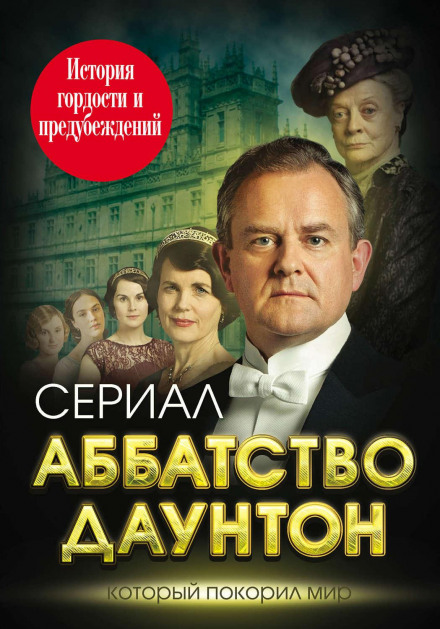
Downton Abbey: A Story of Pride and Prejudice
4 hrs. 28 min.
Language
Russian
Author
Elena Pervushina
Author
Elena Pervushina
Narrator
Marina Ryabova
Narrator
Marina Ryabova
Description
The TV series “Downton Abbey” earned its well-deserved popularity thanks to its carefully crafted script, outstanding acting, historical costumes and interiors—but most of all, the meticulous recreation of the spirit of the early 20th century. Life in Britain at the time was full of contradictions. The country successfully adopted new technologies based on steam and electricity, while the vast majority of the working population worked not in factories, but as servants in private homes. Women were surrounded by reverence, yet were deprived of civic rights. The poor died of hunger, while the aristocracy didn’t reach fifty because of too abundant and fatty food. The new book “Downton Abbey. The History of Pride and Prejudice” tells how these and many other everyday contradictions of English life were reflected in the TV series—who the masters of cinema were that created it, which actors played the main roles, and much more.
