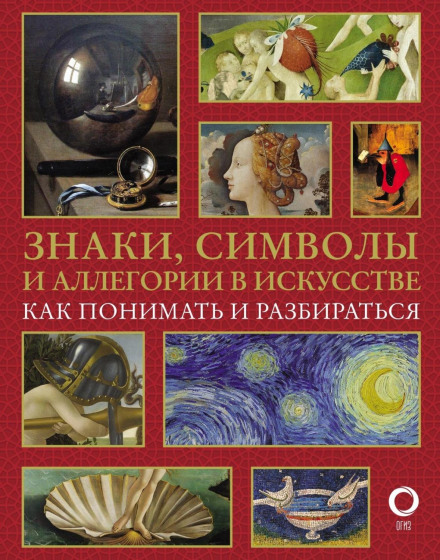
Signs, Symbols and Allegories in Art. How to Understand and Interpret
5 hrs. 21 min.
Language
Russian
Author
Natalia Kortunova
Author
Natalia Kortunova
Narrator
Irina Bulekova
Narrator
Irina Bulekova
Description
Violet and pomegranate fruit, unicorn and dog, bull and lion, parrot and peacock, scales and pearls, horn of plenty and a mirror, the “Mirror of Venus” sign and the Christian sign of ichthys… How often do we see these and other marks and symbols in the works of famous masters—and even then never think that these images have an additional meaning, different from their own superficial meaning? Symbols that add depth, mystery, and multilayeredness to art exist not only in the realm of the mind, but also in the realm of feelings. Symbols are many and varied: they can be indicated by numbers, objects, and phenomena; by shapes and images of animals, birds, or insects, and so on. Above all, symbols reveal themselves in painting and sculpture. From the creators of these famous works, we are separated by hundreds of years, and sometimes whole millennia. Those people lived by a different system of coordinates and believed in different gods. Surviving monuments from those distant times were meant not only to delight the eye and impress with the refinement of execution, but often carried a specific idea—one that contemporaries could read without much difficulty. We, however, when we encounter these monuments only for aesthetic pleasure, often overlook their semantic meaning: we ignore telling details or fail to understand what they may imply, and thereby deprive ourselves of a fuller perception of works of art. The meanings of signs and symbols can hardly be “decoded” by accident—they have to be known. And a new book by Natalya Kortunova—an acclaimed art historian, senior researcher at the State Museum of Fine Arts named after A.S. Pushkin, and curator of a number of exhibitions at the museum—will help you with that. Signs, symbols, and allegories literally surround us. And often all it takes is to pay attention to them, to understand what secret meaning they carry, and then the artwork will burst into new colors!
