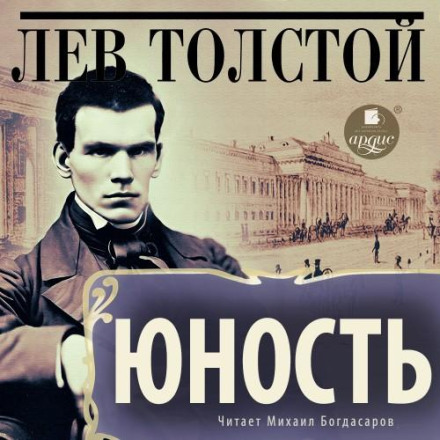
Юність
7 год. 27 хв.
Мова
російська
Автор
Лев Толстой
Автор
Лев Толстой
Читець
Михайло Богдасаров
Читець
Михайло Богдасаров
Опис
Трилогія про дорослішання, з якою Толстой входить у літературу: сучасники відкривають психологію дитини й дивуються, з якою глибиною можна описувати внутрішнє життя людини.
Толстовська трилогія народилася з щоденників молодого Толстого, який шукав відповідь на питання, як чисте безпосереднє створіння може перетворитися на марнославну порочну людину. Трогательний і чутливий Ніколенька Іртеньєв (на початку йому десять років, наприкінці — шістнадцять), прототипом якого є сам Толстой, живе звичайним життям: вчиться неохоче, грається із задоволенням, пише погані вірші, вперше закохується, переживає смерть матері, стає незграбним підлітком, заздрить братові, вступає до університету, провалює іспит. Толстой розповідає про типову траєкторію дорослішання й намагається зафіксувати найменші рухи душі, які, можливо, в перспективі впливатимуть на все життя людини.
«Дитинство» відкриває сучасникам не лише психологію дитини, а й загалом інтроспекцію, самоаналіз як основу оповіді. Дебют Толстого породив цілу хвилю наслідувань і приніс молодому письменнику миттєву славу.
Толстовська трилогія народилася з щоденників молодого Толстого, який шукав відповідь на питання, як чисте безпосереднє створіння може перетворитися на марнославну порочну людину. Трогательний і чутливий Ніколенька Іртеньєв (на початку йому десять років, наприкінці — шістнадцять), прототипом якого є сам Толстой, живе звичайним життям: вчиться неохоче, грається із задоволенням, пише погані вірші, вперше закохується, переживає смерть матері, стає незграбним підлітком, заздрить братові, вступає до університету, провалює іспит. Толстой розповідає про типову траєкторію дорослішання й намагається зафіксувати найменші рухи душі, які, можливо, в перспективі впливатимуть на все життя людини.
«Дитинство» відкриває сучасникам не лише психологію дитини, а й загалом інтроспекцію, самоаналіз як основу оповіді. Дебют Толстого породив цілу хвилю наслідувань і приніс молодому письменнику миттєву славу.
100%
04:00
01
08:24
02
09:31
03
10:38
04
04:34
05
04:29
06
07:35
07
06:26
08
06:01
09
11:50
10
07:11
11
09:20
12
12:06
13
09:34
14
08:51
15
11:51
16
08:45
17
12:27
18
07:15
19
09:36
20
07:23
21
12:54
22
12:57
23
13:01
24
10:49
25
10:15
26
11:59
27
11:32
28
11:19
29
09:37
30
08:15
31
16:02
32
11:40
33
08:51
34
12:10
35
11:47
36
06:07
37
06:45
38
10:41
39
09:20
40
10:43
41
14:02
42
16:37
43
13:29
44
08:59
45
