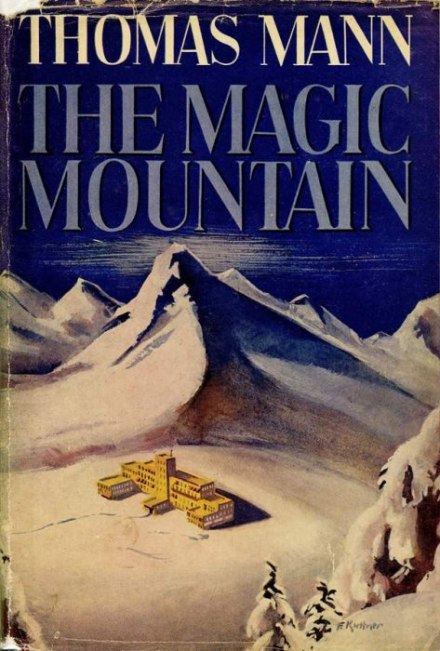
Волшебная гора
39 ч. 5 мин.
Описание
Роман «Волшебная гора», созданный классиком немецкой литературы Томасом Манном, автором знаменитых романов Будденброки, Доктор Фаустус, Иосиф и его братья, — то произведение, без которого мировая литература, несомненно, была бы беднее. Успех книги был колоссален: уже в течение четырех лет после своего выхода в 1924 году она пережила сто изданий на пяти европейских языках. Очевидно, что Нобелевской премией, полученной в 1929 году, Томас Манн во многом был обязан не только своему первому роману Будденброки, но и Волшебной горе. Манн часто называл эту книгу романом о времени. И все же центральной ее идеей является идея Человека и человечности, она — центр напряженных дискуссий и непростых раздумий героев произведения и самого автора.
