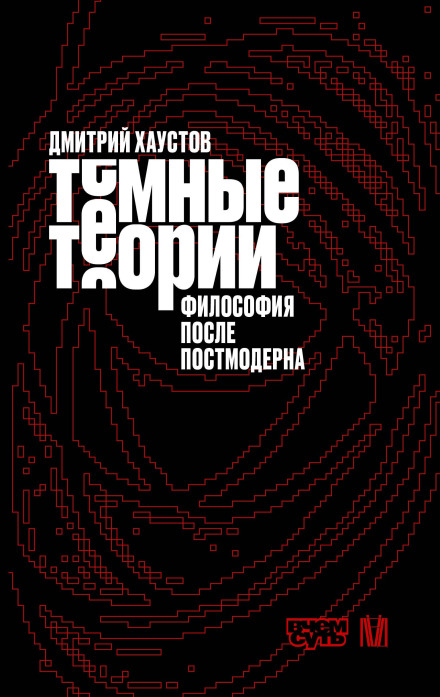
Темные теории. Философия после постмодерна
15 ч. 41 мин.
Описание
Развёрнутое исследование ключевых линий постпостмодерна и удобный вход в пёстрый ландшафт философии сегодняшнего дня.
…а затем один за другим ушли: Барт, Фуко, потом Делёз. В сумрачной пустоте, оставшейся после этих интеллектуальных титанов, стало ясно: философский постмодерн зашёл в тупик — как змея, замкнувшаяся на собственном хвосте, самопереваривание модерна, его живая мертвечина. Что оставалось дальше? Делать шаг в неизвестную, неосвещённую область мысли. Так теории потемнели. Животные и микробы, грибы и бактерии, непроглядный космос и глубины океана, холодные алгоритмы киберкультуры, нечеловеческое, постгуманистическое и даже антигуманистическое — вот их новые территории. Там, по ту сторону последней полосы света, которую ещё удерживало угасающее Просвещение, шевелятся тревожные тени гегелевской «ночи мира»: здесь Лавкрафт будто бы смотрит Кроненберга, а радикальные нигилисты — фон Триера; здесь спекулятивные реалисты читают Филипа Дика и примеряют ожившие костюмы Мартена Маржела; экологические активисты вглядываются в «Чёрное зеркало» и «Чужого»; киберпанки прислушиваются к оглушительной тишине Джона Кейджа; а «тёмные» делёзианцы — к шумовым пластам Einstürzende Neubauten и мизантропическому крику блэк-метала. Бруно Латур и Донна Харауэй, Квентин Мейясу и Грэм Харман, Ник Ланд и Реза Негарестани — среди многих других — отправляются в странствие по катакомбам современного постгуманистического мышления. Мы пойдём за ними, чтобы выяснить: есть ли во тьме хоть что-то — и если да, то что именно.
…а затем один за другим ушли: Барт, Фуко, потом Делёз. В сумрачной пустоте, оставшейся после этих интеллектуальных титанов, стало ясно: философский постмодерн зашёл в тупик — как змея, замкнувшаяся на собственном хвосте, самопереваривание модерна, его живая мертвечина. Что оставалось дальше? Делать шаг в неизвестную, неосвещённую область мысли. Так теории потемнели. Животные и микробы, грибы и бактерии, непроглядный космос и глубины океана, холодные алгоритмы киберкультуры, нечеловеческое, постгуманистическое и даже антигуманистическое — вот их новые территории. Там, по ту сторону последней полосы света, которую ещё удерживало угасающее Просвещение, шевелятся тревожные тени гегелевской «ночи мира»: здесь Лавкрафт будто бы смотрит Кроненберга, а радикальные нигилисты — фон Триера; здесь спекулятивные реалисты читают Филипа Дика и примеряют ожившие костюмы Мартена Маржела; экологические активисты вглядываются в «Чёрное зеркало» и «Чужого»; киберпанки прислушиваются к оглушительной тишине Джона Кейджа; а «тёмные» делёзианцы — к шумовым пластам Einstürzende Neubauten и мизантропическому крику блэк-метала. Бруно Латур и Донна Харауэй, Квентин Мейясу и Грэм Харман, Ник Ланд и Реза Негарестани — среди многих других — отправляются в странствие по катакомбам современного постгуманистического мышления. Мы пойдём за ними, чтобы выяснить: есть ли во тьме хоть что-то — и если да, то что именно.
100%
06:33
Темные теории. Философия после постмодерна 01
14:20
Темные теории. Философия после постмодерна 02
10:27
Темные теории. Философия после постмодерна 03
08:31
Темные теории. Философия после постмодерна 04
12:03
Темные теории. Философия после постмодерна 05
07:19
Темные теории. Философия после постмодерна 06
11:15
Темные теории. Философия после постмодерна 07
09:56
Темные теории. Философия после постмодерна 08
10:42
Темные теории. Философия после постмодерна 09
09:30
Темные теории. Философия после постмодерна 10
04:30
Темные теории. Философия после постмодерна 11
09:45
Темные теории. Философия после постмодерна 12
13:19
Темные теории. Философия после постмодерна 13
11:07
Темные теории. Философия после постмодерна 14
05:42
Темные теории. Философия после постмодерна 15
04:45
Темные теории. Философия после постмодерна 16
02:51
Темные теории. Философия после постмодерна 17
04:23
Темные теории. Философия после постмодерна 18
06:14
Темные теории. Философия после постмодерна 19
04:07
Темные теории. Философия после постмодерна 20
04:15
Темные теории. Философия после постмодерна 21
04:56
Темные теории. Философия после постмодерна 22
08:52
Темные теории. Философия после постмодерна 23
08:20
Темные теории. Философия после постмодерна 24
04:45
Темные теории. Философия после постмодерна 25
08:31
Темные теории. Философия после постмодерна 26
07:23
Темные теории. Философия после постмодерна 27
08:20
Темные теории. Философия после постмодерна 28
10:46
Темные теории. Философия после постмодерна 29
11:01
Темные теории. Философия после постмодерна 30
05:18
Темные теории. Философия после постмодерна 31
09:33
Темные теории. Философия после постмодерна 32
07:54
Темные теории. Философия после постмодерна 33
08:33
Темные теории. Философия после постмодерна 34
16:56
Темные теории. Философия после постмодерна 35
08:20
Темные теории. Философия после постмодерна 36
07:47
Темные теории. Философия после постмодерна 37
13:01
Темные теории. Философия после постмодерна 38
06:49
Темные теории. Философия после постмодерна 39
09:16
Темные теории. Философия после постмодерна 40
11:20
Темные теории. Философия после постмодерна 41
05:13
Темные теории. Философия после постмодерна 42
10:56
Темные теории. Философия после постмодерна 43
14:46
Темные теории. Философия после постмодерна 44
08:35
Темные теории. Философия после постмодерна 45
17:20
Темные теории. Философия после постмодерна 46
05:41
Темные теории. Философия после постмодерна 47
10:15
Темные теории. Философия после постмодерна 48
08:57
Темные теории. Философия после постмодерна 49
12:45
Темные теории. Философия после постмодерна 50
11:19
Темные теории. Философия после постмодерна 51
05:35
Темные теории. Философия после постмодерна 52
07:55
Темные теории. Философия после постмодерна 53
03:39
Темные теории. Философия после постмодерна 54
05:02
Темные теории. Философия после постмодерна 55
14:46
Темные теории. Философия после постмодерна 56
08:39
Темные теории. Философия после постмодерна 57
13:23
Темные теории. Философия после постмодерна 58
05:25
Темные теории. Философия после постмодерна 59
02:53
Темные теории. Философия после постмодерна 60
07:29
Темные теории. Философия после постмодерна 61
09:39
Темные теории. Философия после постмодерна 62
12:22
Темные теории. Философия после постмодерна 63
09:10
Темные теории. Философия после постмодерна 64
05:43
Темные теории. Философия после постмодерна 65
06:49
Темные теории. Философия после постмодерна 66
05:38
Темные теории. Философия после постмодерна 67
08:31
Темные теории. Философия после постмодерна 68
08:08
Темные теории. Философия после постмодерна 69
07:14
Темные теории. Философия после постмодерна 70
10:25
Темные теории. Философия после постмодерна 71
07:43
Темные теории. Философия после постмодерна 72
06:16
Темные теории. Философия после постмодерна 73
10:57
Темные теории. Философия после постмодерна 74
19:49
Темные теории. Философия после постмодерна 75
12:41
Темные теории. Философия после постмодерна 76
07:31
Темные теории. Философия после постмодерна 77
12:23
Темные теории. Философия после постмодерна 78
10:29
Темные теории. Философия после постмодерна 79
07:26
Темные теории. Философия после постмодерна 80
12:57
Темные теории. Философия после постмодерна 81
11:09
Темные теории. Философия после постмодерна 82
10:10
Темные теории. Философия после постмодерна 83
06:37
Темные теории. Философия после постмодерна 84
05:46
Темные теории. Философия после постмодерна 85
09:51
Темные теории. Философия после постмодерна 86
10:52
Темные теории. Философия после постмодерна 87
04:16
Темные теории. Философия после постмодерна 88
04:44
Темные теории. Философия после постмодерна 89
03:37
Темные теории. Философия после постмодерна 90
03:59
Темные теории. Философия после постмодерна 91
05:10
Темные теории. Философия после постмодерна 92
08:13
Темные теории. Философия после постмодерна 93
05:30
Темные теории. Философия после постмодерна 94
05:20
Темные теории. Философия после постмодерна 95
15:12
Темные теории. Философия после постмодерна 96
05:33
Темные теории. Философия после постмодерна 97
05:08
Темные теории. Философия после постмодерна 98
05:54
Темные теории. Философия после постмодерна 99
09:07
Темные теории. Философия после постмодерна 100
11:25
Темные теории. Философия после постмодерна 101
14:29
Темные теории. Философия после постмодерна 102
05:55
Темные теории. Философия после постмодерна 103
11:56
Темные теории. Философия после постмодерна 104
08:50
Темные теории. Философия после постмодерна 105
08:12
Темные теории. Философия после постмодерна 106
15:03
Темные теории. Философия после постмодерна 107
08:05
Темные теории. Философия после постмодерна 108
