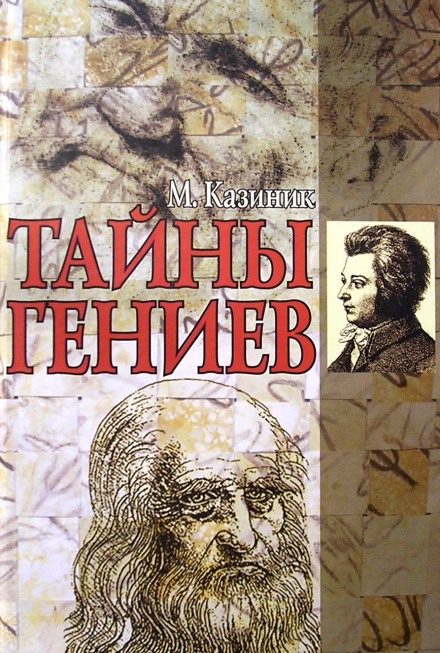
Таємниці геніїв
9 год. 50 хв.
Мова
російська
Автор
Михайло Казінік
Автор
Михайло Казінік
Читець
В'ячеслав Герасимов
Читець
В'ячеслав Герасимов
Михайло Казінік — людина дивовижна: мистецтвознавець, музикант, поет, письменник, актор, режисер, драматург, просвітитель і один із найерудованіших людей нашого часу. Охопити одним поглядом його діяльність непросто.
Ось він — музичний експерт Нобелівського концерту, ось він проводить конференції для лікарів про цілющу силу музики або конференції для бізнесменів у Вищій школі бізнесу Скандинавії, або цикли занурення в мистецтво в Драматичному інституті Стокгольма.
А його спільні з Юрієм Ледерманом вистави в старовинному шармовому театрі столиці Шведського Королівства! Театрі, який преса іменує «театром, що мислить».
Постійно живе у Швеції, але коли його запитують, де він працює, дістає маленький глобус і каже: «Ось на цій планеті».
Сила його впливу на аудиторію величезна. Численні концерти, моцартівські фестивалі високо в горах Норвегії, лекції-збагнення мистецтва для молоді Німеччини, художні програми для телерадіокомпанії SBS в Австралії — завжди подія. Рівноправна участь Слова, Музики, Поезії, Філософії, елементів Театру приводить до залів не лише любителів класичної музики, а й представників найрізноманітніших кіл і професій, і звичайно ж молодь.
Михайло Казінік — автор 60 фільмів про світову музичну культуру: цикл музично-публіцистичних програм «Ad libitum, або У ВІЛЬНОМУ ПОЛЬОТІ» транслюється у Швеції в рамках загальнонаціональної культурної програми; в Росії — на каналі ТВЦ; в Америці, Ізраїлі, країнах Азії та Африки, Канаді — на каналі TVCi. Також із великим успіхом він веде цикли авторських програм на радіо «Срібний дощ» і радіо «Орфей».
«Я не популяризатор музики чи якогось іншого виду мистецтва. Ті, хто займається цим, нерідко знищують його смисл. У мене зовсім інше завдання — духовно налаштувати людину на ту хвилю, на ті вібрації, які виходять від творінь поезії, музики, літератури, живопису. Будь-яке справжнє мистецтво — це передавач, а людина, яка з різних причин не налаштована на його частоту, — зіпсований приймач. Я його ремонтую», — каже Михайло Казінік.
Замість анотації надамо слово самому Михайлу Казініку:
Мене часто запитують, як я все встигаю: писати вірші та книги, давати концерти та читати лекції в університетах, грати на скрипці та фортепіано, виступати в радіопередачах і вести Нобелівський концерт, зніматися у фільмах про мистецтво та викладати в гімназії? Що я можу на це відповісти?
Є люди, які працюють програмістами, а у вільний час складають, скажімо, музику або пишуть картини. Ось це, на мою думку, нелегко поєднувати. Я ж постійно працюю в одній сфері — сфері мистецтва. Жоден із видів моєї діяльності не виходить за її межі. У мене навіть немає хобі.
І завдання одне: за допомогою мистецтва виявити початкову геніальність моїх слухачів і читачів, їхні неймовірні можливості сприйняття тієї космічної енергії, яка породила Баха і Шекспіра, Моцарта і... кожного з нас. Я вірю в геніальність Людини на Планеті. Вірю в можливість відкрити людям очі, прибрати перешкоди між Миттю і Вічністю. Потрібно лише зняти шори з очей і знайти той «магічний кристал», про який пише О.С. Пушкін. І вся примітивна конвеєрна «попсовість» злетить як полова, і відкриється Людина, рівна Космосу. І почнеться нова епоха Відродження, яка знову прийде на зміну поп-ідолам і вбогим масовим видовищам нинішнього середньовіччя...
Ось він — музичний експерт Нобелівського концерту, ось він проводить конференції для лікарів про цілющу силу музики або конференції для бізнесменів у Вищій школі бізнесу Скандинавії, або цикли занурення в мистецтво в Драматичному інституті Стокгольма.
А його спільні з Юрієм Ледерманом вистави в старовинному шармовому театрі столиці Шведського Королівства! Театрі, який преса іменує «театром, що мислить».
Постійно живе у Швеції, але коли його запитують, де він працює, дістає маленький глобус і каже: «Ось на цій планеті».
Сила його впливу на аудиторію величезна. Численні концерти, моцартівські фестивалі високо в горах Норвегії, лекції-збагнення мистецтва для молоді Німеччини, художні програми для телерадіокомпанії SBS в Австралії — завжди подія. Рівноправна участь Слова, Музики, Поезії, Філософії, елементів Театру приводить до залів не лише любителів класичної музики, а й представників найрізноманітніших кіл і професій, і звичайно ж молодь.
Михайло Казінік — автор 60 фільмів про світову музичну культуру: цикл музично-публіцистичних програм «Ad libitum, або У ВІЛЬНОМУ ПОЛЬОТІ» транслюється у Швеції в рамках загальнонаціональної культурної програми; в Росії — на каналі ТВЦ; в Америці, Ізраїлі, країнах Азії та Африки, Канаді — на каналі TVCi. Також із великим успіхом він веде цикли авторських програм на радіо «Срібний дощ» і радіо «Орфей».
«Я не популяризатор музики чи якогось іншого виду мистецтва. Ті, хто займається цим, нерідко знищують його смисл. У мене зовсім інше завдання — духовно налаштувати людину на ту хвилю, на ті вібрації, які виходять від творінь поезії, музики, літератури, живопису. Будь-яке справжнє мистецтво — це передавач, а людина, яка з різних причин не налаштована на його частоту, — зіпсований приймач. Я його ремонтую», — каже Михайло Казінік.
Замість анотації надамо слово самому Михайлу Казініку:
Мене часто запитують, як я все встигаю: писати вірші та книги, давати концерти та читати лекції в університетах, грати на скрипці та фортепіано, виступати в радіопередачах і вести Нобелівський концерт, зніматися у фільмах про мистецтво та викладати в гімназії? Що я можу на це відповісти?
Є люди, які працюють програмістами, а у вільний час складають, скажімо, музику або пишуть картини. Ось це, на мою думку, нелегко поєднувати. Я ж постійно працюю в одній сфері — сфері мистецтва. Жоден із видів моєї діяльності не виходить за її межі. У мене навіть немає хобі.
І завдання одне: за допомогою мистецтва виявити початкову геніальність моїх слухачів і читачів, їхні неймовірні можливості сприйняття тієї космічної енергії, яка породила Баха і Шекспіра, Моцарта і... кожного з нас. Я вірю в геніальність Людини на Планеті. Вірю в можливість відкрити людям очі, прибрати перешкоди між Миттю і Вічністю. Потрібно лише зняти шори з очей і знайти той «магічний кристал», про який пише О.С. Пушкін. І вся примітивна конвеєрна «попсовість» злетить як полова, і відкриється Людина, рівна Космосу. І почнеться нова епоха Відродження, яка знову прийде на зміну поп-ідолам і вбогим масовим видовищам нинішнього середньовіччя...
Зміст:
Передмова до московського видання
Передмова
Два вступи до книги
Вступ перший. Про страшного гнома
Вступ другий. Предмет кохання
«Безсмертні на час»
ЧАСТИНА 1
Розділ 1. Сонатна форма та «мозковий центр»
Розділ 2. Чи був глухим Бетховен?
Розділ 3. А як же селяни?
Розділ 4. Перша розмова про Моцарта (Моцарт і Смерть)
Розділ 5. ...Найменша — завбільшки лише з нашу планету
Розділ 6. Моцарт і Сальєрі...
Розділ 7. «Спадкоємця нам не залишить він»
Розділ 8. Патріотична
Розділ 9. Про драму мого дитинства (нелюбов і примирення)
Розділ 10. Поезія: клятва і заклинання
Розділ 11. «Що трапиться на моєму віку»
Розділ 12. «Але хто ми і звідки»
Розділ 13. Про одну трагічну оману
Розділ 14. Але що ж таке — культура?
Розділ 15. Найвеличніший філософ усіх часів
Розділ 16. Що може статися з людством, якщо воно дійде до переконання про непотрібність мистецтва і заміні Духу «ще більш розвиненим» комп'ютером
Розділ 17. П'ять співрозмовників
ЧАСТИНА 2. Шляхи
Розділ 1. Пивний ГУЛАГ
Розділ 2. Проблема непартнерства
Розділ 3. «Годинники без механізму»
Розділ 4. Бетховен і миття посуду (або Хто винен?)
Розділ 5. Гімнастика душі (або Що робити?)
Розділ 6. «Але хто ми і звідки?» (таємниці геніїв)
Розділ 7. Хто зуміє витримати?
Розділ 8. «Зараз навіть страшно подумати...» (Сімнадцять, двадцять п'ять років)
Розділ 9. Ярославський університет (музично-сексуальна історія)
ЧАСТИНА 3. Одкровення поезії, музики та живопису
Розділ 1. Генії та надгенії
Розділ 2. Мученик світлотіні та «Жертвоприношення Авраама»
Розділ 3. Знаряддєвість поезії
Розділ 4. Три вірші
Розділ 5. Там, де закінчуються слова
Замість післямови
Передмова
Два вступи до книги
Вступ перший. Про страшного гнома
Вступ другий. Предмет кохання
«Безсмертні на час»
ЧАСТИНА 1
Розділ 1. Сонатна форма та «мозковий центр»
Розділ 2. Чи був глухим Бетховен?
Розділ 3. А як же селяни?
Розділ 4. Перша розмова про Моцарта (Моцарт і Смерть)
Розділ 5. ...Найменша — завбільшки лише з нашу планету
Розділ 6. Моцарт і Сальєрі...
Розділ 7. «Спадкоємця нам не залишить він»
Розділ 8. Патріотична
Розділ 9. Про драму мого дитинства (нелюбов і примирення)
Розділ 10. Поезія: клятва і заклинання
Розділ 11. «Що трапиться на моєму віку»
Розділ 12. «Але хто ми і звідки»
Розділ 13. Про одну трагічну оману
Розділ 14. Але що ж таке — культура?
Розділ 15. Найвеличніший філософ усіх часів
Розділ 16. Що може статися з людством, якщо воно дійде до переконання про непотрібність мистецтва і заміні Духу «ще більш розвиненим» комп'ютером
Розділ 17. П'ять співрозмовників
ЧАСТИНА 2. Шляхи
Розділ 1. Пивний ГУЛАГ
Розділ 2. Проблема непартнерства
Розділ 3. «Годинники без механізму»
Розділ 4. Бетховен і миття посуду (або Хто винен?)
Розділ 5. Гімнастика душі (або Що робити?)
Розділ 6. «Але хто ми і звідки?» (таємниці геніїв)
Розділ 7. Хто зуміє витримати?
Розділ 8. «Зараз навіть страшно подумати...» (Сімнадцять, двадцять п'ять років)
Розділ 9. Ярославський університет (музично-сексуальна історія)
ЧАСТИНА 3. Одкровення поезії, музики та живопису
Розділ 1. Генії та надгенії
Розділ 2. Мученик світлотіні та «Жертвоприношення Авраама»
Розділ 3. Знаряддєвість поезії
Розділ 4. Три вірші
Розділ 5. Там, де закінчуються слова
Замість післямови
100%
03:13
00-01-soderzhanie
05:17
00-02-predislovie-k-moskovskomu-izdaniyu
06:25
00-03-predislovie
03:57
00-04-dva-vstupleniya-k-knige
08:51
00-05-vstuplenie-vtoroe-predmet-lyubvi
11:50
00-06-besmertnye-na-vremya
18:08
01-01-sonatnaya-forma-i-mozgovoy-tsentr
10:19
01-02-byl-li-gluhim-bethoven
08:12
01-03-a-kak-zhe-krstyane
25:58
01-04-pervyy-razgovor-o-motsarte-motsart-i-smert
03:24
01-05-samaya-krohotnaya-velichinoy-lish-s-nashu-planetu
37:48
01-06-motsart-i-saleri
12:22
01-07-naslednikov-on-ne-ostavit-nam
08:28
01-08-patrioticheskaya
37:09
01-09-o-drame-moego-detstva-nelyubov-i-primirenie
09:29
01-10-poeziya-klyatva-i-zaklyatie
15:19
01-11-01-chto-sluchitsya-na-moem-veku
07:08
01-11-02-no-kto-my-i-otkuda
14:26
01-11-03-ob-odnom-tragicheskom-zabluzhdenii
15:03
01-11-04-no-chto-eto-takoe-kultura
15:35
01-11-05-velichayshiy-filosof-vseh-vremen
17:22
01-11-06-chto-mozhet-sluchitsya-s-chelovechestvom-esli-ono-pridet-k-mneniyu-o-nenuzhnosti-iskusstva
08:13
01-11-07-pyat-sobesednikov
26:04
02-01-pivnoy-gulag
25:21
02-02-problemy-nepartnerstva
09:35
02-03-chasy-bez-mehanizma
11:03
02-04-bethoven-i-myte-posudy
08:06
02-05-gimnastika-dushi-ili-chto-delat
27:31
02-06-01-no-kto-my-i-otkuda-tayny-geniev
00:54
02-06-02-posleslovie-k-glave
09:16
02-07-kto-sumeet-vystoyat
08:30
02-08-seychas-dazhe-strashno-podumat-semnadtsat-dvadtsat-pyat-let
15:59
02-09-yaroslavskiy-universitet-muzykalno-seksualnaya-istoriya
09:38
03-01-genii-i-sverhgenii
23:24
03-02-muchenik-svetoteni-i-zhertvoprinoshenie-avraama
09:23
03-03-orudiynost-poezii
24:29
03-04-tri-stihotvoreniya
58:39
03-05-tam-gde-konchayutsya-slova
18:29
04-vmesto-poslesloviya
