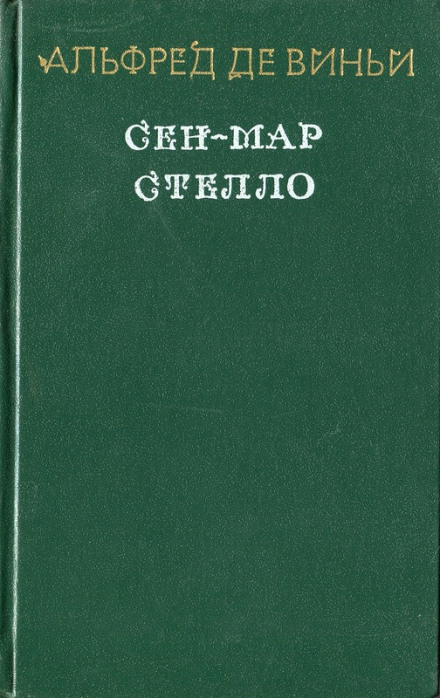
Стелло, або Сині демони
8 год. 4 хв.
Мова
російська
Автор
Альфред де Віньї
Автор
Альфред де Віньї
Читець
Ірина Єрисанова
Читець
Ірина Єрисанова
Опис
«Стелло» — «Чаттертон»: У 1832 році вийшов роман Віньї «Стелло» (російський переклад 1835; 1987), що складається з трьох «консультацій» (діалогів) між двома символічними фігурами: Чорним Доктором, який уособлює власний інтелект Віньї, та поетом Стелло, який прагне відігравати активну роль у суспільному житті. Бажаючи застерегти Стелло від небезпек, якими чреватий політичний ентузіазм, Чорний Доктор розповідає йому три історії на тему взаємовідносин поета з владою: легковажність Людовіка XV прирікає Нікола Жільбера на смерть у злиднях; фанатизм республіканського тирана Робесп'єра веде Андре Шеньє на ешафот; егоїзм лорд-мера Лондона Вільяма Бекфорда стає причиною самогубства поета Томаса Чаттертона. Будь-який політичний режим, доводить Чорний Доктор, обертається для поета «вічним остракізмом».
Пізніше Віньї переробив ту частину «Стелло», що присвячена самогубству Чаттертона, у прозову драму в трьох актах «Чаттертон». Відтворюючи останні миті Чаттертона, він показує благородство та страждання незрозумілого генія в безжальному матеріалістичному світі. Найвище досягнення Віньї-драматурга, «Чаттертон» залишається однією з найкращих романтичних драм. Роман Віньї «Неволя і велич солдата» (1835; російські переклади 1914; 1968) складається з трьох новел, пов'язаних між собою особистим коментарем, і оповідає про благородство та страждання воїна, який зобов'язаний у силу свого ремесла вбивати і приречений на пасивне покорення. Перша і третя новели є видатними досягненнями Віньї-прозаїка, а герой другої новели, старий наполеонівський солдат капітан Рено, залишається незабутнім втіленням людської величі. У 1838 році Віньї повернувся до поезії і вже не залишав її до кінця життя. За ці роки він створив 11 поем, об'єднаних пізніше під назвою «Долі» (1864), найбільш ранні з яких пройняті глибоким песимізмом, тоді як наступні дедалі впевненіше стверджують нетлінну природу духовних сил людини.
Пізніше Віньї переробив ту частину «Стелло», що присвячена самогубству Чаттертона, у прозову драму в трьох актах «Чаттертон». Відтворюючи останні миті Чаттертона, він показує благородство та страждання незрозумілого генія в безжальному матеріалістичному світі. Найвище досягнення Віньї-драматурга, «Чаттертон» залишається однією з найкращих романтичних драм. Роман Віньї «Неволя і велич солдата» (1835; російські переклади 1914; 1968) складається з трьох новел, пов'язаних між собою особистим коментарем, і оповідає про благородство та страждання воїна, який зобов'язаний у силу свого ремесла вбивати і приречений на пасивне покорення. Перша і третя новели є видатними досягненнями Віньї-прозаїка, а герой другої новели, старий наполеонівський солдат капітан Рено, залишається незабутнім втіленням людської величі. У 1838 році Віньї повернувся до поезії і вже не залишав її до кінця життя. За ці роки він створив 11 поем, об'єднаних пізніше під назвою «Долі» (1864), найбільш ранні з яких пройняті глибоким песимізмом, тоді як наступні дедалі впевненіше стверджують нетлінну природу духовних сил людини.
100%
00:24
00-00-de-vini-stello
12:56
00-01-ob-avtore
07:39
01-harakter-bolnogo
09:42
02-simptomy
06:08
03-sledstvie-bolezni
10:37
04-istoriya-pro-beshennuyu-blohu
00:55
05-replika
04:35
06-prodolzhenie-istorii-raskazannoy-chyornym-doktorom
03:47
07-kredo
14:52
08-polubezumie
15:45
09-prodolzhenie-istorii-pro-beshennuyu-blohu
03:17
10-uluchshenie
04:43
11-ubogoe-lozhe
03:51
12-postoronnee-rassuzhdenie
04:17
13-odna-ideya-drugoy-stoit
12:15
14-istoriya-kitti-bell
17:48
15-pismo-na-angliyskom-yazyke
19:13
16-gde-drama-k-neudovolsviyu-nekotoryh-dostdoynyh-chitateley-preryvaetsya-uchenymi-razgovorami
22:38
17-prodolzhenie-istorii-kitti-bell-blagotvoritel
12:01
18-lestnitsa
15:59
19-pechal-i-zhalost
04:04
20-istoriya-vremen-terrora
06:51
21-slavnyy-kanonir
13:36
22-o-pochtennom-startse
07:10
23-ob-ieroglifah-slavnogo-kanonira
10:14
24-tyurma-sen-lazar
11:22
25-molodaya-mat
09:40
26-tyuremnyy-stul
07:22
27-zhenschina-vsegda-rebenok
40:21
28-stolovaya
05:54
29-artilleriyskaya-povozka
17:29
30-dom-gospodina-de-robespera-advokata-parlamenta
06:42
31-zakonodatel
12:22
32-ob-ochischenii-cherez-iskupitelnye-zhertvy
06:27
33-progulka
26:36
34-divertisment
17:21
35-letniy-vecher
28:45
36-povorot-kolesa
06:13
37-o-vechnom-izgnanii
21:50
38-nebo-gomera
08:36
39-obschestvennyy-obman
10:33
40-predpisanie-chyornogo-doktora
00:57
41-rezultaty-konsultatsii
00:56
42-konets
