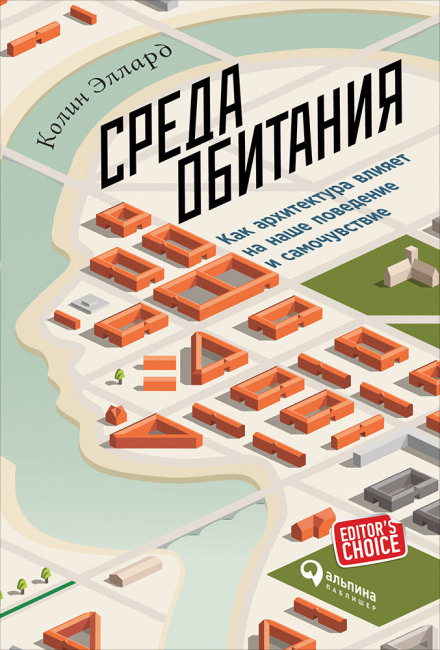
Places of the Heart: The Psychogeography of Everyday Life
9 hrs. 11 min.
Language
Russian
Author
Colin Ellard
Author
Colin Ellard
Narrator
Anton Kobylko
Narrator
Anton Kobylko
Description
How does the urban environment contribute to the development of mental disorders? Why does the look of unremarkable, boring buildings harm our health, while simple little houses pull us in so strongly? Is it good to live in a smart city? Where is it better to create, and where to work until the seventh sweat? Can technology change our relationship with space? Relying on the results of many experiments, statistical data, and his own observations made during psychogeographic research around the world, the author helps us look at people’s familiar relationship with space in a new way—and explains what needs to be done so that our homes—not only houses, but cities too—become better.
