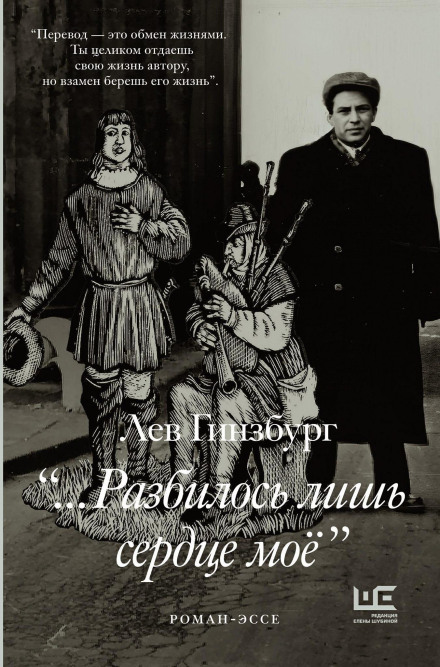
«…Разбилось лишь сердце моё»
15 ч. 4 мин.
Описание
Лев Гинзбург, признанный мастер художественного перевода, создал уникальный роман-эссе, где его воспоминания о московском адвокате 1930-х годов и переводческом семинаре 1970-х годов переплетаются с судьбами поэтов средневековья. Это произведение представляет собой сложную партитуру времени, полную резких смен перспективы и исторических аналогий. Гинзбург, родившийся в 1921 и скончавшийся в 1980, также известен как публицист и автор книг «Потусторонние встречи» и «Бездна». Он подарил нам переводы немецких баллад, поэм «Рейнеке-лис» и «Парцифаль», творчества странствующих вагантов, а также строки, ставшие популярными: «Во французской стороне / на чужой планете / предстоит учиться мне / в университете». Он также переводил произведения Гёте, Шиллера, Гейне, а также классиков ХХ века, таких как Ганс Энценсбергер и Петер Вайс. Пьеса Вайса «Марат-Сад» была поставлена в Театре на Таганке режиссером Юрием Любимовым. Название своей книги воспоминаний «Разбилось лишь сердце мое» Гинзбург взял из стихотворения Гейне. В этом эссе он переносит нас из XIII века в ХХ век и обратно, рассказывая о судьбах средневековых поэтов, своем отце-адвокате, помогавшем людям, и о переводческом семинаре. Он также делится воспоминаниями о встречах с композитором Карлом Орфом и размышляет об истории ХХ века и работе переводчика. Гинзбург стремился выявить таинственные связи времен, схожесть судеб и зависимость людей от обстоятельств и течения времени.
100%
04:04
«…Разбилось лишь сердце моё» 01
03:23
«…Разбилось лишь сердце моё» 02
43:34
«…Разбилось лишь сердце моё» 03
36:44
«…Разбилось лишь сердце моё» 04
24:08
«…Разбилось лишь сердце моё» 05
09:47
«…Разбилось лишь сердце моё» 06
44:50
«…Разбилось лишь сердце моё» 07
24:10
«…Разбилось лишь сердце моё» 08
35:06
«…Разбилось лишь сердце моё» 09
21:38
«…Разбилось лишь сердце моё» 10
37:36
«…Разбилось лишь сердце моё» 11
19:29
«…Разбилось лишь сердце моё» 12
37:01
«…Разбилось лишь сердце моё» 13
31:20
«…Разбилось лишь сердце моё» 14
14:55
«…Разбилось лишь сердце моё» 15
17:26
«…Разбилось лишь сердце моё» 16
40:08
«…Разбилось лишь сердце моё» 17
23:14
«…Разбилось лишь сердце моё» 18
31:32
«…Разбилось лишь сердце моё» 19
34:03
«…Разбилось лишь сердце моё» 20
35:24
«…Разбилось лишь сердце моё» 21
26:26
«…Разбилось лишь сердце моё» 22
41:11
«…Разбилось лишь сердце моё» 23
25:21
«…Разбилось лишь сердце моё» 24
39:46
«…Разбилось лишь сердце моё» 25
32:30
«…Разбилось лишь сердце моё» 26
28:53
«…Разбилось лишь сердце моё» 27
20:14
«…Разбилось лишь сердце моё» 28
15:14
«…Разбилось лишь сердце моё» 29
15:04
«…Разбилось лишь сердце моё» 30
18:20
«…Разбилось лишь сердце моё» 31
12:52
«…Разбилось лишь сердце моё» 32
36:14
«…Разбилось лишь сердце моё» 33
10:30
«…Разбилось лишь сердце моё» 34
11:53
«…Разбилось лишь сердце моё» 35
