Stories
2 hrs. 9 min.
Language
Russian
Author
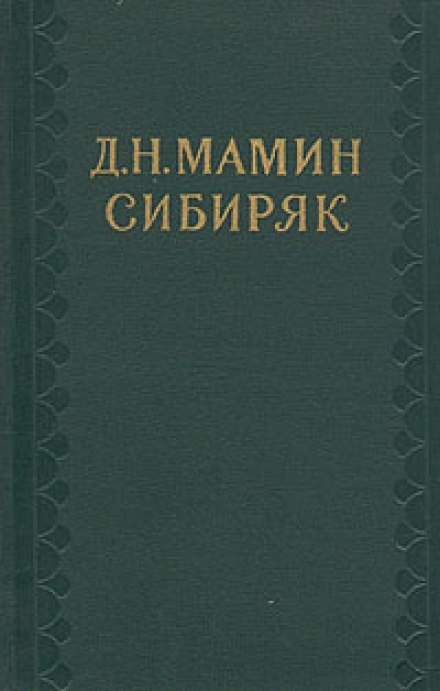
Dmitry Mamin-Sibiryak
Author
Dmitry Mamin-Sibiryak
Narrator
Valery Karnaukh
Narrator
Valery Karnaukh
Description
The stories of Dmitry Narkisovich Mamin-Sibiryak—“The Foundling,” “The Breadwinner,” “Postoyko,” “The Spindle,” and “Yemelya the Hunter”—are heartfelt works in which the author reveals himself not only as a talented writer, but also as a subtle connoisseur of children’s psychology and the lives of different social strata.
Listening to the audiobook is simple and easy. A child will readily understand all the emotions of the main characters, relying even on their small life experience. An adult will discover a world of simple joy and quiet sadness, humanity and hopelessness.
In the story “The Spindle,” Mamin-Sibiryak made little Proshka the hero. The twelve years of his life are not rich in joyful memories. Almost all his time is spent in a stuffy, cramped workshop by the large wheel of a grinding machine. The workshop owner is cunning and greedy. The workers in his shop eat poorly, earn little, and work hard. In such conditions the child withers and fades. One day a rich lady with her son visited the workshop. She felt sympathy and compassion for little Proshka and invited him to her home. The lady seems to take a sincere interest in his fate: she teaches the boy to read, feeds him, and dresses him in warm clothes. Although there is also self-interest in her actions. The mistress dreams that the vivid example of little spindle-boy Proshka will help her son Volodya get rid of attacks of aristocratic laziness. This does not escape the perceptive poor boy. He is deeply struck by the contrast between the lives of ordinary workers and rich people. Soon Proshka fell ill. And even in his death throes he flatly refuses to move into the lady’s warm house and dies in his native workshop.
Dmitry Narkisovich’s stories, despite being written about children and animals, are devoid of cloying sentimentality. By depicting the death of little Proshka, the author wanted to show the real life of the working class, confront the two worlds through contrast, and awaken the consciousness of thinking people of that time. The same task was set in writing the story “The Breadwinner.” After his father’s death, little day laborer Proshka has to earn a living for himself and his family. No better is the fate of his sister Fedora, who “buried” her maiden beauty and happiness at the factory. Every day Proshka split huge lumps of ore with a hammer. He did this both in the summer heat and the winter cold. His greatest dream was to get a job in the workshop where it was always warm and bright. And all the work there consisted of watching a machine. Fedora, although she scolded her brother, loved him more than anyone. Moreover, he was her hope, because it was Proshka who was to become the family’s breadwinner—to become a master at the factory. The elder sister bargained a place for her brother in the workshop. But the boy, still essentially a child, could not cope with his constant desire to sleep. Proshka fell asleep in the most unexpected places, and one day he was scalded by steam. Thus the little hope of a small family perished. Thus a life was cut short before it had truly begun.
Dmitry Narkisovich was able to show the life of a poor, defenseless creature in the city not only through the fate of a child, but also through that of an animal. The story “Postoyko” opens up the inner world of the yard dog Postoyko. As a puppy he was taken from the village because the little dog had caught the fancy of a nobleman’s son. But in the city the boy forgot about his favorite, and Postoyko lived only thanks to the cook, who fed him scraps from the master’s table. In the big city the dog was left to himself. He fought with the neighbor’s pointer, disliked the general’s lapdogs, and teased the janitors. One day Postoyko and his eternal enemy, the pointer, fell into the hands of dog catchers and were taken to the pound. Here the dogs lived out their final three days and, if not redeemed by their owner, were sent to the gallows. Postoyko went through much in those three days. He saw the despair of pedigree and stray dogs, saw life fading in their eyes while the heart still beat, saw hopelessness overtake all of them regardless of breed or origin. And Postoyko himself had already said goodbye to life, but the kind cook found and redeemed him.
The tragic fate of a little boy is also described in the story “Yemelya the Hunter.” Little Grishutka was left an orphan. His father died, and his mother was torn apart by wolves when she sheltered her young son with her body. Now Grishutka lives with Yemelya the hunter. The old grandfather knew the picturesque forests around the village for a hundred versts. When the boy fell ill, he asked his grandfather to catch a little fawn, and Yemelya went into the forest. For several days he tracked the deer and finally found their trail. The brave doe led the hunter astray for a long time to divert his attention from her young. And when Yemelya found the little yellow calf, he could not kill it, remembering Grishutka and his mother. When Yemelya returned home, he told his grandson about the deer. They laughed for a long time and rejoiced that the fawn had been saved.
The story “The Foundling” is a beautiful, kind, and pure story about an animal’s attachment to a human. But despite all the warm feelings, gratitude, and human care, freedom remains the foremost thing for the animal. Old Taras found, sheltered, and nursed a swan. Very quickly the bird became part of a small family consisting of the old hunter and his dog. But when a flock of swans appeared on the lake, the little bird left its now beloved home and went away with the flock. Taras worried for a long time that the inexperienced swan would not endure the migration, but there was nothing he could do.
The stories of Dmitry Narkisovich Mamin-Sibiryak were narrated by Valery Karnaukh. The narrator handled these heartfelt, kind, simple, and pure stories excellently. Listening to them will be enjoyable more than once, both for adults and for children.
Listening to the audiobook is simple and easy. A child will readily understand all the emotions of the main characters, relying even on their small life experience. An adult will discover a world of simple joy and quiet sadness, humanity and hopelessness.
In the story “The Spindle,” Mamin-Sibiryak made little Proshka the hero. The twelve years of his life are not rich in joyful memories. Almost all his time is spent in a stuffy, cramped workshop by the large wheel of a grinding machine. The workshop owner is cunning and greedy. The workers in his shop eat poorly, earn little, and work hard. In such conditions the child withers and fades. One day a rich lady with her son visited the workshop. She felt sympathy and compassion for little Proshka and invited him to her home. The lady seems to take a sincere interest in his fate: she teaches the boy to read, feeds him, and dresses him in warm clothes. Although there is also self-interest in her actions. The mistress dreams that the vivid example of little spindle-boy Proshka will help her son Volodya get rid of attacks of aristocratic laziness. This does not escape the perceptive poor boy. He is deeply struck by the contrast between the lives of ordinary workers and rich people. Soon Proshka fell ill. And even in his death throes he flatly refuses to move into the lady’s warm house and dies in his native workshop.
Dmitry Narkisovich’s stories, despite being written about children and animals, are devoid of cloying sentimentality. By depicting the death of little Proshka, the author wanted to show the real life of the working class, confront the two worlds through contrast, and awaken the consciousness of thinking people of that time. The same task was set in writing the story “The Breadwinner.” After his father’s death, little day laborer Proshka has to earn a living for himself and his family. No better is the fate of his sister Fedora, who “buried” her maiden beauty and happiness at the factory. Every day Proshka split huge lumps of ore with a hammer. He did this both in the summer heat and the winter cold. His greatest dream was to get a job in the workshop where it was always warm and bright. And all the work there consisted of watching a machine. Fedora, although she scolded her brother, loved him more than anyone. Moreover, he was her hope, because it was Proshka who was to become the family’s breadwinner—to become a master at the factory. The elder sister bargained a place for her brother in the workshop. But the boy, still essentially a child, could not cope with his constant desire to sleep. Proshka fell asleep in the most unexpected places, and one day he was scalded by steam. Thus the little hope of a small family perished. Thus a life was cut short before it had truly begun.
Dmitry Narkisovich was able to show the life of a poor, defenseless creature in the city not only through the fate of a child, but also through that of an animal. The story “Postoyko” opens up the inner world of the yard dog Postoyko. As a puppy he was taken from the village because the little dog had caught the fancy of a nobleman’s son. But in the city the boy forgot about his favorite, and Postoyko lived only thanks to the cook, who fed him scraps from the master’s table. In the big city the dog was left to himself. He fought with the neighbor’s pointer, disliked the general’s lapdogs, and teased the janitors. One day Postoyko and his eternal enemy, the pointer, fell into the hands of dog catchers and were taken to the pound. Here the dogs lived out their final three days and, if not redeemed by their owner, were sent to the gallows. Postoyko went through much in those three days. He saw the despair of pedigree and stray dogs, saw life fading in their eyes while the heart still beat, saw hopelessness overtake all of them regardless of breed or origin. And Postoyko himself had already said goodbye to life, but the kind cook found and redeemed him.
The tragic fate of a little boy is also described in the story “Yemelya the Hunter.” Little Grishutka was left an orphan. His father died, and his mother was torn apart by wolves when she sheltered her young son with her body. Now Grishutka lives with Yemelya the hunter. The old grandfather knew the picturesque forests around the village for a hundred versts. When the boy fell ill, he asked his grandfather to catch a little fawn, and Yemelya went into the forest. For several days he tracked the deer and finally found their trail. The brave doe led the hunter astray for a long time to divert his attention from her young. And when Yemelya found the little yellow calf, he could not kill it, remembering Grishutka and his mother. When Yemelya returned home, he told his grandson about the deer. They laughed for a long time and rejoiced that the fawn had been saved.
The story “The Foundling” is a beautiful, kind, and pure story about an animal’s attachment to a human. But despite all the warm feelings, gratitude, and human care, freedom remains the foremost thing for the animal. Old Taras found, sheltered, and nursed a swan. Very quickly the bird became part of a small family consisting of the old hunter and his dog. But when a flock of swans appeared on the lake, the little bird left its now beloved home and went away with the flock. Taras worried for a long time that the inexperienced swan would not endure the migration, but there was nothing he could do.
The stories of Dmitry Narkisovich Mamin-Sibiryak were narrated by Valery Karnaukh. The narrator handled these heartfelt, kind, simple, and pure stories excellently. Listening to them will be enjoyable more than once, both for adults and for children.
100%
18:25
Mamin-Sibiryak - Emelya-ohotnik
31:44
Mamin-Sibiryak - Kormilets
21:23
Mamin-Sibiryak - Postoyko
21:43
Mamin-Sibiryak - Priemish
36:25
Mamin-Sibiryak - Vertel
