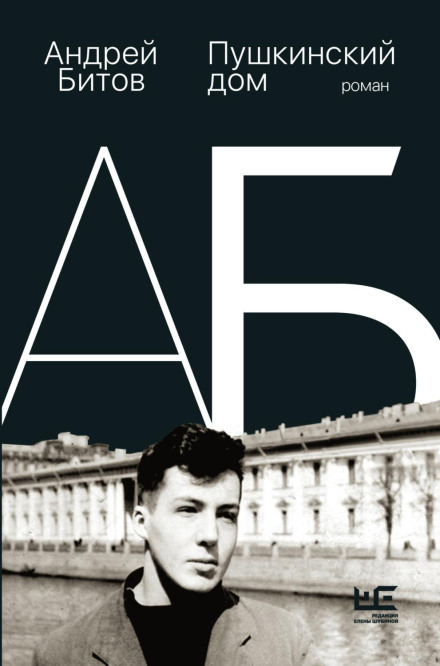
Pushkin House
17 hrs. 42 min.
Language
Russian
Author
Andrey Bitov
Author
Andrey Bitov
Narrator
Andrey Panshin
Narrator
Andrey Panshin
Description
A text that continues the great Russian novel is considered a classic of postmodern literature.
The title of each part and chapter is an allusion to Russian literature: “What Is to Be Done?”, “Fathers and Sons”, “A Hero of Our Time”, and others.
This is a multi-layered intertextual novel, whose psychological realism gives listeners keys for further reflection and for searching new meanings in allusions to the great works of the 19th–20th centuries.
Andrei Bitov (1937–2018) is a prose writer, poet, screenwriter, and teacher, one of the founders of postmodernism. Author of books such as “The Flying Monks”, “Life in Windy Weather”, “A Man in a Landscape”, and others.
Andrei Bitov’s “Pushkin House” was called a classic of postmodernism—Russia’s first philological novel, a novel-museum, an epoch-making work… Written in 1964 as the first anti-textbook on literature, it spent a long time “circulating in lists” and was first published in the United States in 1978. It instantly became a cult book of a generation and was translated into many languages around the world.
The novel’s main character, Lev Odoevtsev, a hereditary philologist and heir to a glorious family name, thinks of himself and others through the lens of Russian classics. But times and morals have changed drastically, and in mid-20th-century Petersburg no one has explained to Lev how to live—meanwhile his family, friends, and women demand action and decisions from him…
“Russian literature, Petersburg (Leningrad), and Russia—this is all, one way or another, the PUSHKIN HOUSE without its curly tenant” (Andrei Bitov).
The title of each part and chapter is an allusion to Russian literature: “What Is to Be Done?”, “Fathers and Sons”, “A Hero of Our Time”, and others.
This is a multi-layered intertextual novel, whose psychological realism gives listeners keys for further reflection and for searching new meanings in allusions to the great works of the 19th–20th centuries.
Andrei Bitov (1937–2018) is a prose writer, poet, screenwriter, and teacher, one of the founders of postmodernism. Author of books such as “The Flying Monks”, “Life in Windy Weather”, “A Man in a Landscape”, and others.
Andrei Bitov’s “Pushkin House” was called a classic of postmodernism—Russia’s first philological novel, a novel-museum, an epoch-making work… Written in 1964 as the first anti-textbook on literature, it spent a long time “circulating in lists” and was first published in the United States in 1978. It instantly became a cult book of a generation and was translated into many languages around the world.
The novel’s main character, Lev Odoevtsev, a hereditary philologist and heir to a glorious family name, thinks of himself and others through the lens of Russian classics. But times and morals have changed drastically, and in mid-20th-century Petersburg no one has explained to Lev how to live—meanwhile his family, friends, and women demand action and decisions from him…
“Russian literature, Petersburg (Leningrad), and Russia—this is all, one way or another, the PUSHKIN HOUSE without its curly tenant” (Andrei Bitov).
100%
12:11
01
55:29
02
16:57
03
31:37
04
46:14
05
56:16
06
27:36
07
51:07
08
35:02
09
38:57
10
59:43
11
51:14
12
14:16
13
52:07
14
11:19
15
43:34
16
29:03
17
19:34
18
59:19
19
12:58
20
07:08
21
53:14
22
43:03
23
14:35
24
55:16
25
27:11
26
21:24
27
25:19
28
37:53
29
52:24
30
