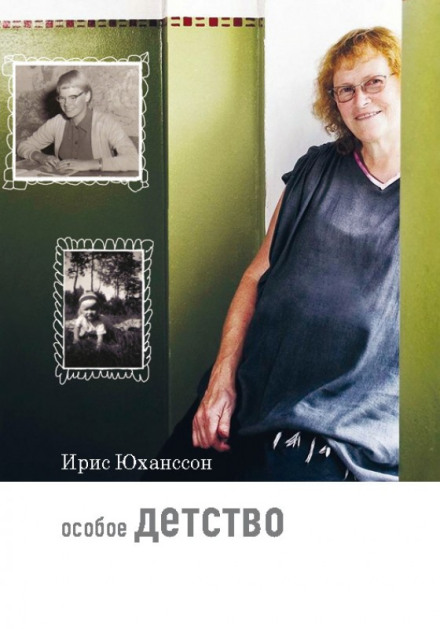
Особливе дитинство
4 год. 53 хв.
Мова
російська
Автор
Іріс Юханссон
Автор
Іріс Юханссон
Читець
Олександр Вєтров
Читець
Олександр Вєтров
Опис
У книзі Іріс Юханссон світ дитини-аутиста описаний «зсередини», на основі власного досвіду. Однак унікальність історії Іріс цим не обмежується. Це ще й історія незвичайного батьківського досвіду: батько Іріс, шведський селянин, без будь-чиєї професійної допомоги зрозумів проблеми своєї доньки. Завдяки його любові, увазі та чуйності Іріс, яка була дитиною з «глибокими порушеннями спілкування», змогла їх подолати. Вона стала психологом, що консультує педагогів і батьків.
Дод. інформація: Книга адресована широкому колу читачів. Вона буде особливо цікава батькам і фахівцям, які працюють із дітьми з порушеннями емоційно-вольової сфери.
Дод. інформація: Книга адресована широкому колу читачів. Вона буде особливо цікава батькам і фахівцям, які працюють із дітьми з порушеннями емоційно-вольової сфери.
Про автора:
Іріс Юханссон (Iris Johansson, 8.04.1945) - шведський психолог. Її випадок унікальний: батько Іріс, простий шведський селянин, самостійно витягнув доньку з аутичного світу. Але, що найважливіше, вона чудово запам’ятала реальність, у якій перебувала до 12 років, і змогла описати її в книзі «Особливе дитинство». Завдяки таким прикладам, як Іріс, стало зрозуміло, що аутисти за правильного підходу можуть спокійно існувати в суспільстві. Якщо вчасно діагностувати в дитини аутизм і спробувати навчити її хоча б азів комунікації, можна отримати унікальний результат - наприклад, талановитого психолога, який чудово розуміється на предметі.
Одягатися, умиватися, ходити до туалету й чистити зуби Іріс не вміла, та й не бачила в цих процедурах особливого сенсу. Процес навчання доньки нехитрим навичкам їжі зайняв у селянина Юханссона довгі роки: Іріс самостійно з’їла свій перший бутерброд у сім років.
Батько змушував Іріс постійно дивитися йому в очі, щоб не втрачати контакт, терпляче пояснював, що не можна нюхати навколишні предмети, а краще просто дивитися на них або торкатися руками.
До загальноосвітньої школи Іріс пішла в 9 років, але перші пів року вона чула лише безліч співучих голосів і бачила кольорові слова, що кружляли по кімнаті. Учителька намагалася змусити батька перевести дівчинку до спеціалізованого закладу. У 5-му класі Юханссон знайшла вчителя, який, попри її типову для аутистів дислексію і нездатність відповідати на запитання, стояв поруч і докладно пояснював їй зміст уроку, а потім записував її міркування.
Коли Іріс вступила до педагогічного інституту Стокгольма, спілкування з викладачами будувалося за тим самим принципом: вона розповідала, вони - записували.
Ставши до 20 років білявою красунею, вона дізналася від батьків, що дівчатам належить мати романи. Не надто розуміючи, як це робиться, Іріс підходила до пар, що цілувалися, уважно їх вивчала, а потім репетирувала перед дзеркалом. Згодом вона вийшла заміж, народила доньку, але жодних материнських почуттів до неї не відчувала. «На щастя, - пише Іріс, - у мене був добрий чоловік і добрі домашні, які піклувалися про дівчинку».
Ця історія начебто показує, що любов і дружбу, як і чищення зубів, можна розділити на кілька нескладних дій і відрепетирувати їх до автоматизму. Але Іріс і досі, у свої шістдесят із лишком років, не знає, що таке «здоровий глузд» і «совість».
У середині 1990-х на запрошення ЦЛП Іріс Юханссон приїхала до Москви; однією з тих, хто зустрічався з Іріс, була співробітниця ЦЛП Надія Моргун. «Людині, яка не знає, що Юханссон аутист, вона здасться цілком нормальною, - розповідає Моргун. - Але в Москві Іріс неодмінно хотіла купити павлово-посадську хустку, а коли її привели до магазину і продавчиня виклала перед нею з десяток хусток, вона обирала їх не за кольором, а за запахом».
Одягатися, умиватися, ходити до туалету й чистити зуби Іріс не вміла, та й не бачила в цих процедурах особливого сенсу. Процес навчання доньки нехитрим навичкам їжі зайняв у селянина Юханссона довгі роки: Іріс самостійно з’їла свій перший бутерброд у сім років.
Батько змушував Іріс постійно дивитися йому в очі, щоб не втрачати контакт, терпляче пояснював, що не можна нюхати навколишні предмети, а краще просто дивитися на них або торкатися руками.
До загальноосвітньої школи Іріс пішла в 9 років, але перші пів року вона чула лише безліч співучих голосів і бачила кольорові слова, що кружляли по кімнаті. Учителька намагалася змусити батька перевести дівчинку до спеціалізованого закладу. У 5-му класі Юханссон знайшла вчителя, який, попри її типову для аутистів дислексію і нездатність відповідати на запитання, стояв поруч і докладно пояснював їй зміст уроку, а потім записував її міркування.
Коли Іріс вступила до педагогічного інституту Стокгольма, спілкування з викладачами будувалося за тим самим принципом: вона розповідала, вони - записували.
Ставши до 20 років білявою красунею, вона дізналася від батьків, що дівчатам належить мати романи. Не надто розуміючи, як це робиться, Іріс підходила до пар, що цілувалися, уважно їх вивчала, а потім репетирувала перед дзеркалом. Згодом вона вийшла заміж, народила доньку, але жодних материнських почуттів до неї не відчувала. «На щастя, - пише Іріс, - у мене був добрий чоловік і добрі домашні, які піклувалися про дівчинку».
Ця історія начебто показує, що любов і дружбу, як і чищення зубів, можна розділити на кілька нескладних дій і відрепетирувати їх до автоматизму. Але Іріс і досі, у свої шістдесят із лишком років, не знає, що таке «здоровий глузд» і «совість».
У середині 1990-х на запрошення ЦЛП Іріс Юханссон приїхала до Москви; однією з тих, хто зустрічався з Іріс, була співробітниця ЦЛП Надія Моргун. «Людині, яка не знає, що Юханссон аутист, вона здасться цілком нормальною, - розповідає Моргун. - Але в Москві Іріс неодмінно хотіла купити павлово-посадську хустку, а коли її привели до магазину і продавчиня виклала перед нею з десяток хусток, вона обирала їх не за кольором, а за запахом».
100%
1:18:35
uod-01mp3
1:19:09
uod-02mp3
1:15:18
uod-03mp3
52:47
uod-04mp3
07:29
uod-05mp3
