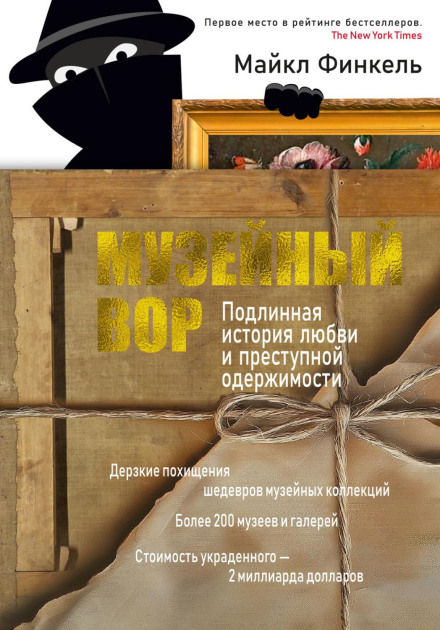
Музейний злодій. Справжня історія кохання та злочинної одержимості
6 год. 34 хв.
Мова
російська
Автор
Майкл Фінкель
Автор
Майкл Фінкель
Читець
Віталій Сулімов
Читець
Віталій Сулімов
Опис
Музеї — тюрма для мистецтва. Коли перед тобою справжній шедевр, від якого перехоплює подих і на очі навертаються сльози, що може бути природніше, ніж бажання милуватися ним нескінченно довго, простежувати пальцями точні рухи різця чи пензля? Усе це, звісно, зручніше робити в тиші та усамітненні, влаштувавшись у улюбленому кріслі.
У хлопчачі роки Стефан Брайтвізер часто бував у музеях, де цілими днями блукав сам, — важко уявити більш миле захоплення для підлітка… До початку 2000-х Стефан Брайтвізер був цілком щасливим: він знайшов призвання, кохання й із ніжністю згадував той день, коли Анна-Катрін відповіла згодою на його невпевнене запитання. «Забери його», — просто сказала вона, і Брайтвізер здійснив свою першу музейну крадіжку, витягнувши з вітрини експонат, якого дуже прагнув. До 2002 року Стефан Брайтвізер здобув те, чого ніколи не бажав: гучну європейську славу. Преса наперебій підраховувала нечувані збитки, які зухвалий викрадач завдав музеям. Удивений метод крадіжок, величезний список викрадених шедеврів, душероздираюча розв’язка й подальший глобальний перегляд вимог безпеки музеїв однозначно свідчили: ім’я Стефана Брайтвізера — серійного злодія, який жодного разу не застосував насильства і не продав жодної викраденої речі, — відтепер приречене очолювати будь-які рейтинги найгучніших злочинів у сфері мистецтва.
У хлопчачі роки Стефан Брайтвізер часто бував у музеях, де цілими днями блукав сам, — важко уявити більш миле захоплення для підлітка… До початку 2000-х Стефан Брайтвізер був цілком щасливим: він знайшов призвання, кохання й із ніжністю згадував той день, коли Анна-Катрін відповіла згодою на його невпевнене запитання. «Забери його», — просто сказала вона, і Брайтвізер здійснив свою першу музейну крадіжку, витягнувши з вітрини експонат, якого дуже прагнув. До 2002 року Стефан Брайтвізер здобув те, чого ніколи не бажав: гучну європейську славу. Преса наперебій підраховувала нечувані збитки, які зухвалий викрадач завдав музеям. Удивений метод крадіжок, величезний список викрадених шедеврів, душероздираюча розв’язка й подальший глобальний перегляд вимог безпеки музеїв однозначно свідчили: ім’я Стефана Брайтвізера — серійного злодія, який жодного разу не застосував насильства і не продав жодної викраденої речі, — відтепер приречене очолювати будь-які рейтинги найгучніших злочинів у сфері мистецтва.
