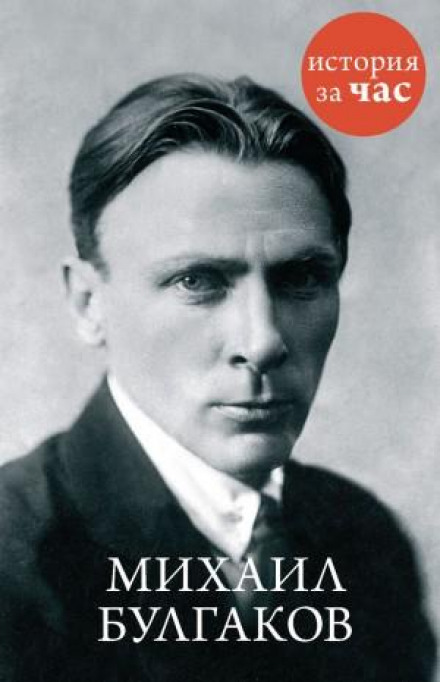
Михайло Булгаков
1 год. 50 хв.
Мова
російська
Автор
Калмикова Віра
Автор
Калмикова Віра
Читець
Михайло Росляков
Читець
Михайло Росляков
Опис
Михайло Афанасьєвич Булгаков (1891–1940) — видатний російський письменник і драматург, який набув світової популярності наприкінці ХХ століття. Напевно, сьогодні немає людини, яка б не чула про знаменитий роман «Майстер і Маргарита». Блискучий сатирик і неперевершений нарисовець, він написав «Витратні яйця» та «Собаче серце», створив панораму Москви 1920-х років. Головним інтересом Булгакова завжди залишалася людина, що живе у світі, який невідворотно змінюється. За вдачею саркастичний і різкий, Булгаков ставив перед читачем одні й ті самі питання: наскільки міцно тримається людська шляхетність? Чи може інтелігент витримати тиск войовничої сірості, невігластва, підлості й хамства? Чи справді грубий натиск і безжалісна влада здатні роздавити особистість або чи світом керують сили, що допомагають вистояти у боротьбі зі злом? «Рукописи не горять», і час не владний над творами, створеними майстром із чистою душею та мудрим серцем. І чим далі від нас у часі відходять дати створення творів Булгакова, тим сильніший інтерес читачів і глядачів до них.
100%
03:44
1
04:24
2
03:47
3
05:57
4
02:07
5
06:13
6
04:31
7
04:15
8
03:46
9
07:51
10
06:39
11
06:23
12
09:38
13
03:21
14
08:52
15
06:59
16
06:43
17
05:24
18
07:06
19
02:51
20
