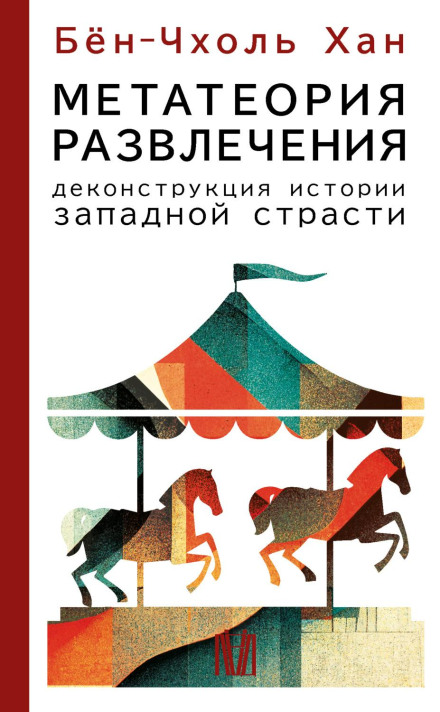
Метатеорія розваги. Деконструкція історії західної пристрасті
4 год. 38 хв.
Опис
Дослідження сучасного філософа про сучасне мистецтво та індустрію розваг порушує питання про межу між високим мистецтвом і розвагою, які історично розділяли непереборним муром. Мистецтво, спрямоване до піднесеного, традиційно протиставлялося легшим і радіснішим формам розваг, які вважали профанацією.
Але виникає питання: чи залишається ця межа такою ж міцною й актуальною в наш час, як це було в минулому? Можливо, варто переосмислити мистецтво й розваги, звільнивши їх від релігійної та метафізичної важкості, і розглядати мистецтво не як джерело страждання, а як джерело радості й сміху, звільнивши його від моральних обмежень минулих епох.
У новому есе Бьон-Чхоль Хан досліджує деконструкцію сучасного мистецтва та індустрії розваг, приділяючи увагу таким феноменам, як сміх, радість і розваги, що стали важливими аспектами XXI століття.
Але виникає питання: чи залишається ця межа такою ж міцною й актуальною в наш час, як це було в минулому? Можливо, варто переосмислити мистецтво й розваги, звільнивши їх від релігійної та метафізичної важкості, і розглядати мистецтво не як джерело страждання, а як джерело радості й сміху, звільнивши його від моральних обмежень минулих епох.
У новому есе Бьон-Чхоль Хан досліджує деконструкцію сучасного мистецтва та індустрії розваг, приділяючи увагу таким феноменам, як сміх, радість і розваги, що стали важливими аспектами XXI століття.
