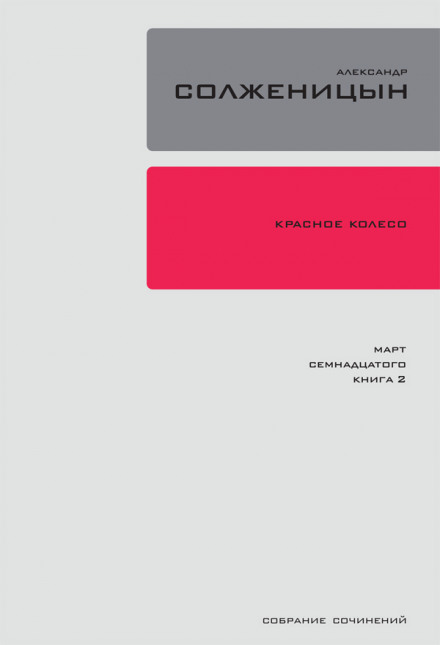
Березень сімнадцятого
40 год. 37 хв.
Мова
російська
Автор
Олександр Солженіцин
Автор
Олександр Солженіцин
Читець
Євгеній Терновський
Читець
Євгеній Терновський
«Червоне колесо» — книга, паралельна всьому життю Олександра Ісаєвича Солженіцина. 18 листопада 1936 року виник задум: «Я буду писати роман про російську революцію». Вісімнадцятирічний студент почав із глав про бої у Східній Пруссії в 1914 році.
У 1944-му саме у Східну Пруссію — збіг! — прийшов він сам зі своєю батареєю. Потім був арешт. У Бутирській тюрмі, на пересилках, у шарашці, в таборах Солженіцин розпитував старших про сімнадцятий рік.
Усе життя Солженіцина вела думка: зрозуміти, як відбувалася катастрофа Сімнадцятого? Який у неї механізм? Вона повторювалася чи ні? Це був рок чи ні? Революція в Росії не могла не відбутися — або могла не відбутися?
У 1970-х він записав: «Дивовижно, що за 60 років у художній літературі про таку велику подію, як Лютнева революція, практично нічого… Так багато мемуарів (розсип), досліджень — а роману немає. Ось сила заслоненості (пізнішими подіями). Усі ці гори від сучасників лежать і тужать, ніби чекали мене».
Автор вивчив і задіяв колосальний матеріал: мемуари, листи, щоденники. Усе, що написали історики в еміграції. Усі головні газети тих місяців. Олександр Ісаєвич мав щастя ще чимало зустріти живими учасників і свідків.
У розпалі роботи Солженіцин записує: «В “Архіпелазі ГУЛАГ” я написав: тепер якщо доведеться отримати бадьорий лист, то тільки від колишнього в’язня. Тепер, у 1977-му, можу додати: або від колишнього білогвардійця. Ті, хто пережив темряву, приниження й убогість еміграції, у віці близько 80 років, передають мені в листах свою твердість, вірність Росії, ясний погляд на речі. Стільки перетерпіти й так зберегти дух! Дуже допомагає взяти епоху».
«Цей роман, ще не написаний, завжди був найбільшим коханням мого життя. Ніщо у світі я не любив до такого розпачливого зворушення серця», — писав А. І. Солженіцин.
У 1944-му саме у Східну Пруссію — збіг! — прийшов він сам зі своєю батареєю. Потім був арешт. У Бутирській тюрмі, на пересилках, у шарашці, в таборах Солженіцин розпитував старших про сімнадцятий рік.
Усе життя Солженіцина вела думка: зрозуміти, як відбувалася катастрофа Сімнадцятого? Який у неї механізм? Вона повторювалася чи ні? Це був рок чи ні? Революція в Росії не могла не відбутися — або могла не відбутися?
У 1970-х він записав: «Дивовижно, що за 60 років у художній літературі про таку велику подію, як Лютнева революція, практично нічого… Так багато мемуарів (розсип), досліджень — а роману немає. Ось сила заслоненості (пізнішими подіями). Усі ці гори від сучасників лежать і тужать, ніби чекали мене».
Автор вивчив і задіяв колосальний матеріал: мемуари, листи, щоденники. Усе, що написали історики в еміграції. Усі головні газети тих місяців. Олександр Ісаєвич мав щастя ще чимало зустріти живими учасників і свідків.
У розпалі роботи Солженіцин записує: «В “Архіпелазі ГУЛАГ” я написав: тепер якщо доведеться отримати бадьорий лист, то тільки від колишнього в’язня. Тепер, у 1977-му, можу додати: або від колишнього білогвардійця. Ті, хто пережив темряву, приниження й убогість еміграції, у віці близько 80 років, передають мені в листах свою твердість, вірність Росії, ясний погляд на речі. Стільки перетерпіти й так зберегти дух! Дуже допомагає взяти епоху».
«Цей роман, ще не написаний, завжди був найбільшим коханням мого життя. Ніщо у світі я не любив до такого розпачливого зворушення серця», — писав А. І. Солженіцин.
100%
16:47
Mart_semnadtsatogo_001
16:44
Mart_semnadtsatogo_002
16:45
Mart_semnadtsatogo_003
16:51
Mart_semnadtsatogo_004
16:46
Mart_semnadtsatogo_005
16:46
Mart_semnadtsatogo_006
17:07
Mart_semnadtsatogo_007
16:47
Mart_semnadtsatogo_008
16:43
Mart_semnadtsatogo_009
16:59
Mart_semnadtsatogo_010
16:48
Mart_semnadtsatogo_011
16:59
Mart_semnadtsatogo_012
16:58
Mart_semnadtsatogo_013
16:42
Mart_semnadtsatogo_014
16:55
Mart_semnadtsatogo_015
16:59
Mart_semnadtsatogo_016
16:41
Mart_semnadtsatogo_017
16:45
Mart_semnadtsatogo_018
16:46
Mart_semnadtsatogo_019
16:42
Mart_semnadtsatogo_020
17:17
Mart_semnadtsatogo_021
17:07
Mart_semnadtsatogo_022
16:43
Mart_semnadtsatogo_023
16:50
Mart_semnadtsatogo_024
16:46
Mart_semnadtsatogo_025
16:50
Mart_semnadtsatogo_026
17:35
Mart_semnadtsatogo_027
17:08
Mart_semnadtsatogo_028
16:41
Mart_semnadtsatogo_029
16:50
Mart_semnadtsatogo_030
16:46
Mart_semnadtsatogo_031
17:08
Mart_semnadtsatogo_032
16:50
Mart_semnadtsatogo_033
16:49
Mart_semnadtsatogo_034
16:53
Mart_semnadtsatogo_035
17:00
Mart_semnadtsatogo_036
17:06
Mart_semnadtsatogo_037
16:51
Mart_semnadtsatogo_038
17:23
Mart_semnadtsatogo_039
16:42
Mart_semnadtsatogo_040
16:42
Mart_semnadtsatogo_041
17:07
Mart_semnadtsatogo_042
16:50
Mart_semnadtsatogo_043
17:25
Mart_semnadtsatogo_044
16:49
Mart_semnadtsatogo_045
16:42
Mart_semnadtsatogo_046
17:08
Mart_semnadtsatogo_047
16:51
Mart_semnadtsatogo_048
17:07
Mart_semnadtsatogo_049
16:55
Mart_semnadtsatogo_050
17:28
Mart_semnadtsatogo_051
16:50
Mart_semnadtsatogo_052
16:50
Mart_semnadtsatogo_053
17:05
Mart_semnadtsatogo_054
16:48
Mart_semnadtsatogo_055
16:54
Mart_semnadtsatogo_056
16:52
Mart_semnadtsatogo_057
18:00
Mart_semnadtsatogo_058
16:51
Mart_semnadtsatogo_059
16:47
Mart_semnadtsatogo_060
17:04
Mart_semnadtsatogo_061
17:02
Mart_semnadtsatogo_062
16:51
Mart_semnadtsatogo_063
16:50
Mart_semnadtsatogo_064
18:59
Mart_semnadtsatogo_065
17:07
Mart_semnadtsatogo_066
16:42
Mart_semnadtsatogo_067
16:52
Mart_semnadtsatogo_068
16:45
Mart_semnadtsatogo_069
16:41
Mart_semnadtsatogo_070
16:46
Mart_semnadtsatogo_071
16:56
Mart_semnadtsatogo_072
16:45
Mart_semnadtsatogo_073
16:44
Mart_semnadtsatogo_074
16:49
Mart_semnadtsatogo_075
16:46
Mart_semnadtsatogo_076
16:47
Mart_semnadtsatogo_077
17:14
Mart_semnadtsatogo_078
16:48
Mart_semnadtsatogo_079
17:13
Mart_semnadtsatogo_080
16:47
Mart_semnadtsatogo_081
16:43
Mart_semnadtsatogo_082
16:46
Mart_semnadtsatogo_083
16:50
Mart_semnadtsatogo_084
17:19
Mart_semnadtsatogo_085
17:11
Mart_semnadtsatogo_086
17:14
Mart_semnadtsatogo_087
16:42
Mart_semnadtsatogo_088
16:54
Mart_semnadtsatogo_089
16:43
Mart_semnadtsatogo_090
16:53
Mart_semnadtsatogo_091
17:08
Mart_semnadtsatogo_092
17:01
Mart_semnadtsatogo_093
16:57
Mart_semnadtsatogo_094
16:48
Mart_semnadtsatogo_095
16:58
Mart_semnadtsatogo_096
16:51
Mart_semnadtsatogo_097
16:49
Mart_semnadtsatogo_098
16:44
Mart_semnadtsatogo_099
16:47
Mart_semnadtsatogo_100
16:49
Mart_semnadtsatogo_101
16:59
Mart_semnadtsatogo_102
16:51
Mart_semnadtsatogo_103
16:46
Mart_semnadtsatogo_104
16:50
Mart_semnadtsatogo_105
16:52
Mart_semnadtsatogo_106
16:44
Mart_semnadtsatogo_107
17:09
Mart_semnadtsatogo_108
17:13
Mart_semnadtsatogo_109
16:43
Mart_semnadtsatogo_110
16:47
Mart_semnadtsatogo_111
17:37
Mart_semnadtsatogo_112
16:46
Mart_semnadtsatogo_113
17:24
Mart_semnadtsatogo_114
16:51
Mart_semnadtsatogo_115
16:49
Mart_semnadtsatogo_116
17:00
Mart_semnadtsatogo_117
16:42
Mart_semnadtsatogo_118
17:15
Mart_semnadtsatogo_119
17:31
Mart_semnadtsatogo_120
16:51
Mart_semnadtsatogo_121
16:45
Mart_semnadtsatogo_122
17:54
Mart_semnadtsatogo_123
16:45
Mart_semnadtsatogo_124
16:44
Mart_semnadtsatogo_125
16:44
Mart_semnadtsatogo_126
16:47
Mart_semnadtsatogo_127
16:42
Mart_semnadtsatogo_128
16:44
Mart_semnadtsatogo_129
17:00
Mart_semnadtsatogo_130
17:00
Mart_semnadtsatogo_131
16:46
Mart_semnadtsatogo_132
16:45
Mart_semnadtsatogo_133
16:46
Mart_semnadtsatogo_134
16:45
Mart_semnadtsatogo_135
16:42
Mart_semnadtsatogo_136
16:42
Mart_semnadtsatogo_137
16:53
Mart_semnadtsatogo_138
16:46
Mart_semnadtsatogo_139
17:10
Mart_semnadtsatogo_140
16:53
Mart_semnadtsatogo_141
17:07
Mart_semnadtsatogo_142
16:47
Mart_semnadtsatogo_143
15:51
Mart_semnadtsatogo_144
