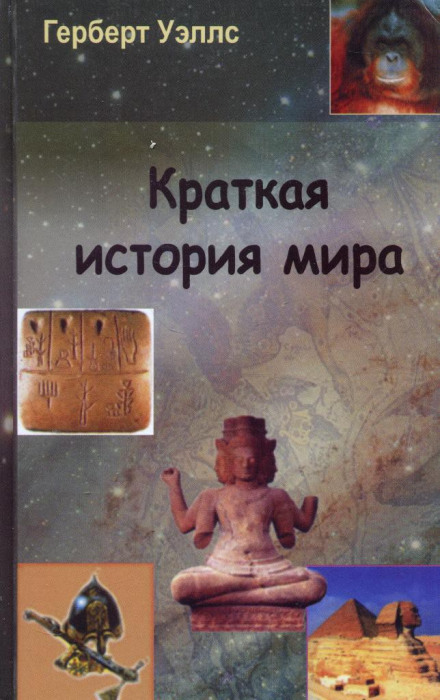
A Short History of the World
12 hrs. 30 min.
Language
Russian
Author
Herbert Wells
Author
Herbert Wells
Narrator
Maxim Suslov
Narrator
Maxim Suslov
Description
Herbert George Wells (1866–1946) was an English writer and journalist, author of world-famous science-fiction novels “The Time Machine,” “The Invisible Man,” “The War of the Worlds,” and others. His work had a significant influence on the development of the science fiction genre. The natural blend of bold imagination, good-natured humor, and the breadth of social observations made Wells’s works interesting and meaningful to readers of several generations.
You are offered a unique book by the writer—a real, hands-on guide through the pages of history. It impresses with the volume of information it contains. Avoiding complexity and any details, and steering clear of controversial issues, the author provides a consistent overview of world history—from the times when life on Earth first emerged to the beginning of the 20th century. The engaging presentation of the material makes us look closely into the depths of the past, understand what is happening in the present, and think about possible futures.
You are offered a unique book by the writer—a real, hands-on guide through the pages of history. It impresses with the volume of information it contains. Avoiding complexity and any details, and steering clear of controversial issues, the author provides a consistent overview of world history—from the times when life on Earth first emerged to the beginning of the 20th century. The engaging presentation of the material makes us look closely into the depths of the past, understand what is happening in the present, and think about possible futures.
Contents:
Chapter 01 The World in Space
Chapter 02 The World in Time
Chapter 03 The Origin of Life
Chapter 04 The Age of Fishes
Chapter 05 The Age of Coal Swamps
Chapter 06 The Age of Reptiles
Chapter 07 The First Birds and the First Mammals
Chapter 08 The Age of Mammals
Chapter 09 Monkeys, Apes, and Sub-humans
Chapter 10 Neanderthal and Rhodesian Man
Chapter 11 The First Real Man
Chapter 12 The Birth of Thought
Chapter 13 The Beginning of Farming
Chapter 14 Primitive Neolithic Civilizations
Chapter 15 The Sumerians, Ancient Egypt, and Writing
Chapter 16 Primitive Nomadic Peoples
Chapter 17 The First Sea-faring Peoples
Chapter 18 Egypt, Babylonia, Assyria
Chapter 19 Primitive Aryans
Chapter 20 The Last Babylonian Kingdom and the Empire of Darius I
Chapter 21 The Early History of the Jews
Chapter 22 Priests and Prophets in Judea
Chapter 23 The Greeks
Chapter 24 The Greco-Persian Wars
Chapter 25 The Rise of Greece
Chapter 26 The Empire of Alexander the Great
Chapter 27 The Museum and Library in Alexandria
Chapter 28 The Life of Gautama Buddha
Chapter 29 King Ashoka
Chapter 30 Confucius and Lao Tzu
Chapter 31 Rome Steps onto the Stage of History
Chapter 32 Rome and Carthage
Chapter 33 The Growth of the Roman Empire
Chapter 34 Between Rome and China
Chapter 35 Life of the Middle and Lower Classes under the First Roman Emperors
Chapter 36 The Development of Religion in the Roman Empire
Chapter 37 The Teachings of Jesus
Chapter 38 The Development of Doctrinal Christianity
Chapter 39 The Barbarian Invasions Cause the Division of the Empire into Eastern and Western
Chapter 40 The Huns and the End of the Western Empire
Chapter 41 The Byzantine Empire and the Sassanid Empire
Chapter 42 The Sui and Tang Dynasties in China
Chapter 43 Mohammed and Islam
Chapter 44 The Era of the Arabs’ Power
Chapter 45 The Development of Latin Christianity
Chapter 46 The Crusades and the Era of Papal Power
Chapter 47 Unruly Princes and the Great Schism
Chapter 48 Mongol Conquests
Chapter 49 The Spiritual Revival of Europe
Chapter 50 The Reformation of the Latin Church
Chapter 51 Emperor Charles V
Chapter 52 The Age of Political Experiments, Great Monarchy, Parliaments, and Republicanism in Europe
Chapter 53 New Asian and Overseas Empires of the Europeans
Chapter 54 The American War of Independence
Chapter 55 The French Revolution and the Restoration of the Monarchy in France
Chapter 56 The Period of Unstable Peace in Europe after Napoleon’s Abdication
Chapter 57 The Development of Technology
Chapter 58 The Industrial Revolution
Chapter 59 The Development of Modern Political and Social Ideas
Chapter 60 The Expansion of the United States
Chapter 61 The Rise of Germany and Its Achievement of Dominance in Europe
Chapter 62 New Overseas Empires Created by Railways and Steamships
Chapter 63 The Invasion of Europeans into Asia and the Rise of Japan
Chapter 64 The British Empire in 1914
Chapter 65 The Age of Armaments in Europe and the Great War (1914–1918)
Chapter 66 Revolution and Famine in Russia
Chapter 67 The Political and Social Reorganization of the World
Chapter 02 The World in Time
Chapter 03 The Origin of Life
Chapter 04 The Age of Fishes
Chapter 05 The Age of Coal Swamps
Chapter 06 The Age of Reptiles
Chapter 07 The First Birds and the First Mammals
Chapter 08 The Age of Mammals
Chapter 09 Monkeys, Apes, and Sub-humans
Chapter 10 Neanderthal and Rhodesian Man
Chapter 11 The First Real Man
Chapter 12 The Birth of Thought
Chapter 13 The Beginning of Farming
Chapter 14 Primitive Neolithic Civilizations
Chapter 15 The Sumerians, Ancient Egypt, and Writing
Chapter 16 Primitive Nomadic Peoples
Chapter 17 The First Sea-faring Peoples
Chapter 18 Egypt, Babylonia, Assyria
Chapter 19 Primitive Aryans
Chapter 20 The Last Babylonian Kingdom and the Empire of Darius I
Chapter 21 The Early History of the Jews
Chapter 22 Priests and Prophets in Judea
Chapter 23 The Greeks
Chapter 24 The Greco-Persian Wars
Chapter 25 The Rise of Greece
Chapter 26 The Empire of Alexander the Great
Chapter 27 The Museum and Library in Alexandria
Chapter 28 The Life of Gautama Buddha
Chapter 29 King Ashoka
Chapter 30 Confucius and Lao Tzu
Chapter 31 Rome Steps onto the Stage of History
Chapter 32 Rome and Carthage
Chapter 33 The Growth of the Roman Empire
Chapter 34 Between Rome and China
Chapter 35 Life of the Middle and Lower Classes under the First Roman Emperors
Chapter 36 The Development of Religion in the Roman Empire
Chapter 37 The Teachings of Jesus
Chapter 38 The Development of Doctrinal Christianity
Chapter 39 The Barbarian Invasions Cause the Division of the Empire into Eastern and Western
Chapter 40 The Huns and the End of the Western Empire
Chapter 41 The Byzantine Empire and the Sassanid Empire
Chapter 42 The Sui and Tang Dynasties in China
Chapter 43 Mohammed and Islam
Chapter 44 The Era of the Arabs’ Power
Chapter 45 The Development of Latin Christianity
Chapter 46 The Crusades and the Era of Papal Power
Chapter 47 Unruly Princes and the Great Schism
Chapter 48 Mongol Conquests
Chapter 49 The Spiritual Revival of Europe
Chapter 50 The Reformation of the Latin Church
Chapter 51 Emperor Charles V
Chapter 52 The Age of Political Experiments, Great Monarchy, Parliaments, and Republicanism in Europe
Chapter 53 New Asian and Overseas Empires of the Europeans
Chapter 54 The American War of Independence
Chapter 55 The French Revolution and the Restoration of the Monarchy in France
Chapter 56 The Period of Unstable Peace in Europe after Napoleon’s Abdication
Chapter 57 The Development of Technology
Chapter 58 The Industrial Revolution
Chapter 59 The Development of Modern Political and Social Ideas
Chapter 60 The Expansion of the United States
Chapter 61 The Rise of Germany and Its Achievement of Dominance in Europe
Chapter 62 New Overseas Empires Created by Railways and Steamships
Chapter 63 The Invasion of Europeans into Asia and the Rise of Japan
Chapter 64 The British Empire in 1914
Chapter 65 The Age of Armaments in Europe and the Great War (1914–1918)
Chapter 66 Revolution and Famine in Russia
Chapter 67 The Political and Social Reorganization of the World
100%
06:11
01-mir-v-prostranstve
06:48
02-mir-vo-vremeni
05:55
03-vozniknovenie-zhizni
08:11
04-era-ryb
08:36
05-era-kamennougolnyh-bolot
08:26
06-vek-presmykayuschihsya
09:17
07-pervye-ptitsy-i-pervye-mlekopitayuschie
08:26
08-vek-mlekopitayuschih
08:51
09-martyshki-obezyany-i-podchelovek
08:28
10-neandertalskiy-i-rodezianskiy-chelovek
09:06
11-pervyy-nastoyaschiy-chelovek
10:00
12-zarozhdenie-mysli
09:37
13-nachalo-zemledeliya
10:18
14-pervobytnye-neoliticheskie-tsivilizatsii
09:40
15-sumeriytsy-drevniy-egipta-i-pismennost
08:34
16-pervobytnye-kochevye-narody
10:46
17-pervye-narody-moreplavateli
13:47
18-egipet-vavilon-assiriya
09:27
19-pervbytnye-ariytsy
08:09
20-poslednee-vavilonskoe-tsarstvo-i-imperiya-dariya-i
10:51
21-pervonachalnaya-istoriya-iudeev
08:54
22-svyaschenniki-i-proroki-v-iudee
12:13
23-greki
08:44
24-greko-persidskie-voyny
07:26
25-rastsvet-gretsii
09:10
26-imperiya-aleksandra-velikogo
11:11
27-muzey-i-biblioteka-v-aleksandrii
11:42
28-zhizn-gautamy-buddy
04:38
29-tsar-asoka
11:52
30-konfutsiy-i-lao-tszy
11:48
31-rim-vystupaet-na-arenu-istorii
10:02
32-rim-i-karfagen
25:33
33-rost-rimskoy-imperii
10:27
34-mezhdu-rimom-i-kitaem
13:43
35-zhizn-srednih-i-nizshih-klassov-pri-pervyh-rimskih-imparatorah
13:39
36-razvitie-religii-v-rimskoy-imperii
13:10
37-uchenie-iisusa
07:40
38-razvitie-dogmaticheskogo-hristianstva
09:45
39-nashestvie-varvarov-vyzyvayut-razdelenie-imperii-na-vostochnuyu-i-zapadnuyu
10:45
40-gunny-i-konets-zapadnoy-imperii
09:42
41-vizantiyskaya-imperiya-i-imperiya-sassanidov
04:39
42-dinastiya-suy-i-tan-v-kitae
07:46
43-magomet-i-islam
07:27
44-epoha-moguschestva-arabov
17:30
45-razvitie-latinskogo-hristianstva
19:46
46-krestovye-pohody-i-epoha-papskogo-moguschestva
18:27
47-nepokornye-knyazya-i-velikiy-raskol
09:44
48-mongolskie-zavoevaniya
19:22
49-duhovnoe-vozrozhdenie-evropy
08:46
50-reforma-latinskoy-tserkvi
18:16
51-imperator-karl-v
21:38
52-vek-politicheskih-opytov
09:59
53-novye-aziatkie-i-zamorskie-imperii-evropeytsev
10:55
54-amerikanskaya-voyna-za-nezavisimost
15:37
55-frantsuzskaya-revolyutsiya-i-restavratsiya-monarhii-vo-frantsii
09:16
56-period-neprochnogo-mira-v-evrope-posle-otrecheniya-napoleona
18:40
57-razvitie-tehniki
09:35
58-perevorot-v-promyshlennosti
24:28
59-razvitie-sovremennyh-politicheskih-i-sotsialnyh-idey
17:45
60-rasshirenie-soedinennyh-shtatov
04:08
61-rost-germanii-i-dostizhenie-eyu-preobladaniya-v-evrope
13:49
62-novye-zamorskie-imperii-sozdannye-zheleznymi-dorogami-i-parohodami
11:54
63-vtorzhenie-evropeytsy-v-azii-i-vozvyshenie-yaponii
05:08
64-britanskaya-imperiya-v-1914-godu
09:34
65-epoha-vooruzheniy-v-evrope-i-velikaya-voyna-1914-1918
10:00
66-revolyutsiya-i-golod-v-rossii
14:35
67-politicheskoe-i-sotsialnoe-pereustroystvo-mira
