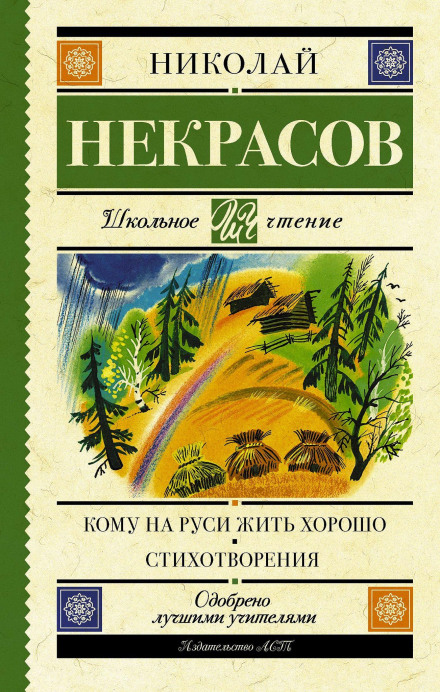
Кому на Русі жити добре. Вірші та поеми (збірник)
8 год. 34 хв.
Мова
російська
Автор
Микола Некрасов
Автор
Микола Некрасов
Читець
Вадим Максімов
Читець
Артур Агаджанян
Читець
Глєбов Євгеній
Опис
Микола Олексійович Некрасов (1821–1878) — російський поет, письменник і публіцист.
Відмітні риси його поезії — міцний зв’язок із життям країни, близькість до народу та його надій, уміння говорити зрозумілою йому мовою.
Очолюючи провідні російські журнали XIX століття — «Современник» і «Отечественные записки» — Некрасов опинився в самому осередді літературного й суспільного життя свого часу. На сторінках цих видань визнання здобули І. Тургенєв, А. Гончаров, А. Островський, М. Салтиков-Щедрін. Некрасов також відкрив для читачів Ф. Достоєвського і Л. Толстого.
До збірки увійшли найвідоміші тексти М. О. Некрасова: поема «Кому на Русі жити добре» (1863–1876), вірші «Батьківщина», «Поет і громадянин», «Мороз, Червоний ніс», «Крестьянські діти», «Міркування біля парадного під’їзду», «Залізниця» та інші.
Ф. М. Достоєвський вважав, що Некрасов як поет «…повинен прямо стояти слідом за Пушкіним і Лермонтовим».
Відмітні риси його поезії — міцний зв’язок із життям країни, близькість до народу та його надій, уміння говорити зрозумілою йому мовою.
Очолюючи провідні російські журнали XIX століття — «Современник» і «Отечественные записки» — Некрасов опинився в самому осередді літературного й суспільного життя свого часу. На сторінках цих видань визнання здобули І. Тургенєв, А. Гончаров, А. Островський, М. Салтиков-Щедрін. Некрасов також відкрив для читачів Ф. Достоєвського і Л. Толстого.
До збірки увійшли найвідоміші тексти М. О. Некрасова: поема «Кому на Русі жити добре» (1863–1876), вірші «Батьківщина», «Поет і громадянин», «Мороз, Червоний ніс», «Крестьянські діти», «Міркування біля парадного під’їзду», «Залізниця» та інші.
Ф. М. Достоєвський вважав, що Некрасов як поет «…повинен прямо стояти слідом за Пушкіним і Лермонтовим».
100%
04:03
Кому на Руси жить хорошо. Стихотворения и поэмы (сборник) 01
00:42
Кому на Руси жить хорошо. Стихотворения и поэмы (сборник) 02
04:02
Кому на Руси жить хорошо. Стихотворения и поэмы (сборник) 03
00:45
Кому на Руси жить хорошо. Стихотворения и поэмы (сборник) 04
02:04
Кому на Руси жить хорошо. Стихотворения и поэмы (сборник) 05
00:24
Кому на Руси жить хорошо. Стихотворения и поэмы (сборник) 06
00:45
Кому на Руси жить хорошо. Стихотворения и поэмы (сборник) 07
00:39
Кому на Руси жить хорошо. Стихотворения и поэмы (сборник) 08
01:52
Кому на Руси жить хорошо. Стихотворения и поэмы (сборник) 09
00:37
Кому на Руси жить хорошо. Стихотворения и поэмы (сборник) 10
13:42
Кому на Руси жить хорошо. Стихотворения и поэмы (сборник) 11
00:49
Кому на Руси жить хорошо. Стихотворения и поэмы (сборник) 12
01:58
Кому на Руси жить хорошо. Стихотворения и поэмы (сборник) 13
06:00
Кому на Руси жить хорошо. Стихотворения и поэмы (сборник) 14
11:31
Кому на Руси жить хорошо. Стихотворения и поэмы (сборник) 15
14:56
Кому на Руси жить хорошо. Стихотворения и поэмы (сборник) 16
24:33
Кому на Руси жить хорошо. Стихотворения и поэмы (сборник) 17
28:05
Кому на Руси жить хорошо. Стихотворения и поэмы (сборник) 18
01:25
Кому на Руси жить хорошо. Стихотворения и поэмы (сборник) 19
08:32
Кому на Руси жить хорошо. Стихотворения и поэмы (сборник) 20
05:05
Кому на Руси жить хорошо. Стихотворения и поэмы (сборник) 21
08:24
Кому на Руси жить хорошо. Стихотворения и поэмы (сборник) 22
16:11
Кому на Руси жить хорошо. Стихотворения и поэмы (сборник) 23
18:32
Кому на Руси жить хорошо. Стихотворения и поэмы (сборник) 24
17:18
Кому на Руси жить хорошо. Стихотворения и поэмы (сборник) 25
19:55
Кому на Руси жить хорошо. Стихотворения и поэмы (сборник) 26
32:05
Кому на Руси жить хорошо. Стихотворения и поэмы (сборник) 27
24:25
Кому на Руси жить хорошо. Стихотворения и поэмы (сборник) 28
10:31
Кому на Руси жить хорошо. Стихотворения и поэмы (сборник) 29
23:55
Кому на Руси жить хорошо. Стихотворения и поэмы (сборник) 30
21:00
Кому на Руси жить хорошо. Стихотворения и поэмы (сборник) 31
16:37
Кому на Руси жить хорошо. Стихотворения и поэмы (сборник) 32
08:27
Кому на Руси жить хорошо. Стихотворения и поэмы (сборник) 33
09:00
Кому на Руси жить хорошо. Стихотворения и поэмы (сборник) 34
18:21
Кому на Руси жить хорошо. Стихотворения и поэмы (сборник) 35
16:15
Кому на Руси жить хорошо. Стихотворения и поэмы (сборник) 36
14:16
Кому на Руси жить хорошо. Стихотворения и поэмы (сборник) 37
09:23
Кому на Руси жить хорошо. Стихотворения и поэмы (сборник) 38
12:40
Кому на Руси жить хорошо. Стихотворения и поэмы (сборник) 39
05:04
Кому на Руси жить хорошо. Стихотворения и поэмы (сборник) 40
07:17
Кому на Руси жить хорошо. Стихотворения и поэмы (сборник) 41
18:07
Кому на Руси жить хорошо. Стихотворения и поэмы (сборник) 42
04:53
Кому на Руси жить хорошо. Стихотворения и поэмы (сборник) 43
09:21
Кому на Руси жить хорошо. Стихотворения и поэмы (сборник) 44
22:44
Кому на Руси жить хорошо. Стихотворения и поэмы (сборник) 45
17:28
Кому на Руси жить хорошо. Стихотворения и поэмы (сборник) 46
