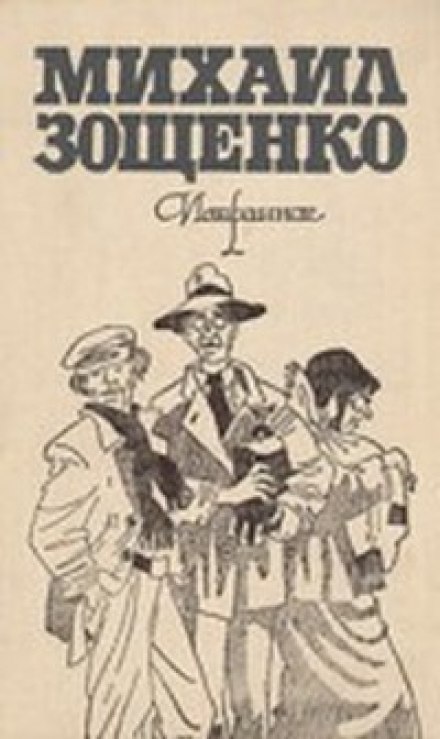
Вибране
1 год. 41 хв.
Мова
російська
Автор
Михайло Зощенко
Автор
Михайло Зощенко
Читець
Олександр Водяний
Читець
Олександр Водяний
Опис
Михайло Зощенко (1894–1958) став одним із найпопулярніших письменників до середини 1920-х років. Його оповідання «Лазня», «Аристократка», «Історія хвороби» та інші, які він часто сам читав перед численною аудиторією, були відомі та улюблені в усіх верствах суспільства.
Читати далі...
У листі до Зощенка М. Горький зазначив: «Такого співвідношення іронії та лірики я не знаю в літературі ні в кого». Чуковський вважав, що в центрі творчості Зощенка стоїть боротьба з черствістю в людських стосунках; що Зощенко ввів у літературу «нову, ще не цілком сформовану, але переможно розлиту по країні позалітературну мову і став вільно користуватися нею як своєю власною мовою».
Зощенко Михайло Михайлович народився 1894 року в Петербурзі в сім'ї небагатого художника. Він був вірним послідовником гоголівського напряму і, живучи серед простого люду, бачив світ їхніми очима, але бачив його набагато ширше. Він дивився на світ так, як дивиться на нього дитина — чистим і допитливим поглядом. Сюжети його оповідань взяті з реального життя, він знаходив їх усюди, де б не опинявся. Його творчість носила широкий характер: він писав оповідання, повісті, комедії та фейлетони.
Перше оповідання Зощенка було опубліковано в 1921 р. У своїх сатиричних оповіданнях він викривав психологію та звичаї міщанства. Особливістю його творчості є стислість і зрозуміла простому обивателю мова. Його оповідання висміювали не самих людей вищого кола, а їхні вчинки. Але вони викликають не ненависть до цього класу, а навпаки — сміх і навіть жалість до їхньої недалекоглядності.
У оповіданнях Зощенка стільки веселого й доброго, вони написані так просто й бадьоро, що для його сучасників були справжньою підтримкою в складні часи, і саме тому він здобув таку популярність у найголовнішого критика — народу. Він добре розумів народ, адже сам був із нього й також пройшов через чимало труднощів у житті, і все ж це не зробило його менш життєрадісним чи озлобленим — він умів дивитися на все з усмішкою і своїми оповіданнями хотів навчити цьому інших.
У 1939 році йому був вручений орден Трудового Червоного Прапора за внесок і заслуги перед країною та народом.
Звичайно, сучасний читач побачить його сатиру вже в зовсім іншому вигляді, але все ж у ній є вічні проблеми класів та їхньої психології. Така сатира діє як бальзам на рани душі і пробуджує її від самозабуття, дозволяючи в сміху вийти всьому наболілому та звільняючи розум.
Сподіваємось, що познайомившись із творчістю цього великого письменника та сатирика, і ви зможете знайти багато близького для себе та отримати той позитивний заряд, який автор вклав у свої оповідання.
Зміст:
АРИСТОКРАТКА
ІНОЗЕМЦІ
НІЧНА ПРИГОДА
НЕРВОВІ ЛЮДИ
СОБАЧИЙ НЮХ
ПРИНАДИ КУЛЬТУРИ
АМАТОР
ЛИМОНАД
ГРИМАСА НЕПУ
ЛАЗНЯ
БІДНА ЛЮДИНА
АКТОР
ГІПНОЗ
АГІТАТОР
ТАТУСЬ
ГАЧОК
ВИПРОБУВАННЯ
КРИЗА
КОХАННЯ
Зощенко Михайло Михайлович народився 1894 року в Петербурзі в сім'ї небагатого художника. Він був вірним послідовником гоголівського напряму і, живучи серед простого люду, бачив світ їхніми очима, але бачив його набагато ширше. Він дивився на світ так, як дивиться на нього дитина — чистим і допитливим поглядом. Сюжети його оповідань взяті з реального життя, він знаходив їх усюди, де б не опинявся. Його творчість носила широкий характер: він писав оповідання, повісті, комедії та фейлетони.
Перше оповідання Зощенка було опубліковано в 1921 р. У своїх сатиричних оповіданнях він викривав психологію та звичаї міщанства. Особливістю його творчості є стислість і зрозуміла простому обивателю мова. Його оповідання висміювали не самих людей вищого кола, а їхні вчинки. Але вони викликають не ненависть до цього класу, а навпаки — сміх і навіть жалість до їхньої недалекоглядності.
У оповіданнях Зощенка стільки веселого й доброго, вони написані так просто й бадьоро, що для його сучасників були справжньою підтримкою в складні часи, і саме тому він здобув таку популярність у найголовнішого критика — народу. Він добре розумів народ, адже сам був із нього й також пройшов через чимало труднощів у житті, і все ж це не зробило його менш життєрадісним чи озлобленим — він умів дивитися на все з усмішкою і своїми оповіданнями хотів навчити цьому інших.
У 1939 році йому був вручений орден Трудового Червоного Прапора за внесок і заслуги перед країною та народом.
Звичайно, сучасний читач побачить його сатиру вже в зовсім іншому вигляді, але все ж у ній є вічні проблеми класів та їхньої психології. Така сатира діє як бальзам на рани душі і пробуджує її від самозабуття, дозволяючи в сміху вийти всьому наболілому та звільняючи розум.
Сподіваємось, що познайомившись із творчістю цього великого письменника та сатирика, і ви зможете знайти багато близького для себе та отримати той позитивний заряд, який автор вклав у свої оповідання.
Зміст:
АРИСТОКРАТКА
ІНОЗЕМЦІ
НІЧНА ПРИГОДА
НЕРВОВІ ЛЮДИ
СОБАЧИЙ НЮХ
ПРИНАДИ КУЛЬТУРИ
АМАТОР
ЛИМОНАД
ГРИМАСА НЕПУ
ЛАЗНЯ
БІДНА ЛЮДИНА
АКТОР
ГІПНОЗ
АГІТАТОР
ТАТУСЬ
ГАЧОК
ВИПРОБУВАННЯ
КРИЗА
КОХАННЯ
100%
21:32
М. Зощенко (1) - чит. А. Водяной(2)
23:10
М. Зощенко (2) - чит. А. Водяной(2)
31:39
М. Зощенко (4) - чит. А. Водяной(2)
25:23
М. Зощенко (5) - чит. А. Водяной(2)
