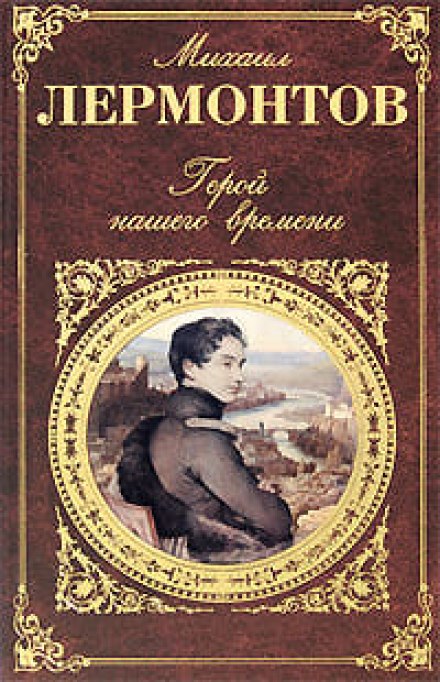
Герой нашего времени
6 ч. 59 мин.
Описание
Перед Вами психологический роман, который известен со школы. Однако в школьном возрасте едва ли можно понять проблемы скуки и хандры, а также отсутствия смысла жизни, которые испытывает главный герой. Печорин, будучи «эгоистом поневоле», имеет много общего с Онегиным Пушкина.
Но если отвлечься от школьной программы, то окажется, что роман М.Ю. Лермонтова и сам по себе увлекательный, глубокий и серьезный. В нем поднимаются вопросы смысла человеческого бытия, и оказывается, что материальные и социальные споры, мелкие приключения и удачи не способны заполнить внутреннюю пустоту…
Печорин является по своей сути антигероем. Это роковая фигура, которая невольно рушит чужие судьбы. Все произведение состоит из нескольких историй, каждая из которых могла бы быть подана отдельно. Действие происходит на фоне прекрасных Кавказских гор, которые так же холодны и неприступны как сердце Печорина. Этот роман о незаурядном, но несчастном человеке. Он не смог найти себя в окружающих его условиях и не попытался сделать никого счастливым. Эгоизм – болезнь человеческой души, которая никогда не потеряет своей актуальности.
Но если отвлечься от школьной программы, то окажется, что роман М.Ю. Лермонтова и сам по себе увлекательный, глубокий и серьезный. В нем поднимаются вопросы смысла человеческого бытия, и оказывается, что материальные и социальные споры, мелкие приключения и удачи не способны заполнить внутреннюю пустоту…
Печорин является по своей сути антигероем. Это роковая фигура, которая невольно рушит чужие судьбы. Все произведение состоит из нескольких историй, каждая из которых могла бы быть подана отдельно. Действие происходит на фоне прекрасных Кавказских гор, которые так же холодны и неприступны как сердце Печорина. Этот роман о незаурядном, но несчастном человеке. Он не смог найти себя в окружающих его условиях и не попытался сделать никого счастливым. Эгоизм – болезнь человеческой души, которая никогда не потеряет своей актуальности.
100%
50:42
Lermontov - Geroy nashego vremeni - 01 - Bela (1)
1:00:15
Lermontov - Geroy nashego vremeni - 02 - Bela (2)
27:47
Lermontov - Geroy nashego vremeni - 03 - Maksim Maksimych
38:17
Lermontov - Geroy nashego vremeni - 04 - Taman
47:41
Lermontov - Geroy nashego vremeni - 05 - Knyazhna Meri (1)
48:24
Lermontov - Geroy nashego vremeni - 06 - Knyazhna Meri (2)
50:27
Lermontov - Geroy nashego vremeni - 07 - Knyazhna Meri (3)
50:17
Lermontov - Geroy nashego vremeni - 08 - Knyazhna Meri (4)
19:19
Lermontov - Geroy nashego vremeni - 09 - Knyazhna Meri (5)
26:49
Lermontov - Geroy nashego vremeni - 10 - Fatalist
